Oleg Skvorcov
This was a pivotal year — the old kings were still on their thrones, but in the garages and pubs of New York and London the blades were already being sharpened that would bring about their overthrow. This was the year when the Soviet Union produced its first conceptual rock album, and yet the most popular song of the moment was 'Vologda'…
Let us walk through the main landmarks.
1. The Eagles Phenomenon
This year lifted them onto the podium. In February came the compilation from their first four albums, Their Greatest Hits (1971−1975). Fifty years on, it remains the best-selling album in US history at 40 million copies, according to the RIAA (Recording Industry Association of America — the body that certifies gold, platinum, and diamond album sales in the United States).
In December of the same year came Hotel California. The title track became one of the defining guitar songs of the era and gained enormous popularity here in Russia — so much so that many came to see Eagles as a one-hit wonder. Which is, of course, nonsense. No fewer than five of their singles reached number one, and personally I have always preferred songs from their first album: 'Witchy Woman' and 'Take It Easy'.
In terms of sales, Hotel California ranks third in US history at 28 million copies, with Michael Jackson’s Thriller sitting between the two Eagles albums. (For anyone curious, the full list is available at the RIAA website.)
2. American Soft Rock: Precision and Class
The standard of polished, highly professional soft rock this year was at a peak. The genre never achieved the wide following here that, say, British classic rock did — but it always found its demanding, discerning audience.
A few albums worth noting:
— Steely Dan, The Royal Scam (probably my personal favourite from this band)
— James Taylor, In the Pocket
— Carly Simon, Another Passenger
— Jackson Browne, The Pretender
To which I would add Joni Mitchell’s transitional Hejira — stylistically a world apart, but belonging to the same exceptional year.
3. Funk, Soul and Disco in Full Bloom
For Black music, this was the year of maximum expansion. Funk went cosmic; soul became elegantly political; and disco broke out of the underground clubs and into the mainstream for good, laying the groundwork for the madness of 1977. I would single out the following:
— George Clinton’s Parliament/Funkadelic enterprise, with The Clones of Dr. Funkenstein — Parliament and Funkadelic were two intertwined bands led by George Clinton that defined the cosmic-funk aesthetic of the 1970s.
— The Brothers Johnson’s debut Look Out for #1, produced by Quincy Jones.
— Stevie Wonder, Songs in the Key of Life — a double vinyl album with a bonus EP of four additional songs tucked inside. Yes, at that length you will always find filler, but even the filler is accomplished. 'I Wish' and 'Sir Duke' topped the charts, but my personal favourite is 'As'.
— Soul and blues singer Johnnie Taylor’s disco album Eargasm, with the hit 'Disco Lady' — the first single in recording industry history to be certified platinum.
Disco was claiming the top positions: The Bee Gees' 'You Should Be Dancing', Donna Summer’s 'Could It Be Magic', KC and the Sunshine Band’s '(Shake, Shake, Shake) Shake Your Booty'.
Let us walk through the main landmarks.
1. The Eagles Phenomenon
This year lifted them onto the podium. In February came the compilation from their first four albums, Their Greatest Hits (1971−1975). Fifty years on, it remains the best-selling album in US history at 40 million copies, according to the RIAA (Recording Industry Association of America — the body that certifies gold, platinum, and diamond album sales in the United States).
In December of the same year came Hotel California. The title track became one of the defining guitar songs of the era and gained enormous popularity here in Russia — so much so that many came to see Eagles as a one-hit wonder. Which is, of course, nonsense. No fewer than five of their singles reached number one, and personally I have always preferred songs from their first album: 'Witchy Woman' and 'Take It Easy'.
In terms of sales, Hotel California ranks third in US history at 28 million copies, with Michael Jackson’s Thriller sitting between the two Eagles albums. (For anyone curious, the full list is available at the RIAA website.)
2. American Soft Rock: Precision and Class
The standard of polished, highly professional soft rock this year was at a peak. The genre never achieved the wide following here that, say, British classic rock did — but it always found its demanding, discerning audience.
A few albums worth noting:
— Steely Dan, The Royal Scam (probably my personal favourite from this band)
— James Taylor, In the Pocket
— Carly Simon, Another Passenger
— Jackson Browne, The Pretender
To which I would add Joni Mitchell’s transitional Hejira — stylistically a world apart, but belonging to the same exceptional year.
3. Funk, Soul and Disco in Full Bloom
For Black music, this was the year of maximum expansion. Funk went cosmic; soul became elegantly political; and disco broke out of the underground clubs and into the mainstream for good, laying the groundwork for the madness of 1977. I would single out the following:
— George Clinton’s Parliament/Funkadelic enterprise, with The Clones of Dr. Funkenstein — Parliament and Funkadelic were two intertwined bands led by George Clinton that defined the cosmic-funk aesthetic of the 1970s.
— The Brothers Johnson’s debut Look Out for #1, produced by Quincy Jones.
— Stevie Wonder, Songs in the Key of Life — a double vinyl album with a bonus EP of four additional songs tucked inside. Yes, at that length you will always find filler, but even the filler is accomplished. 'I Wish' and 'Sir Duke' topped the charts, but my personal favourite is 'As'.
— Soul and blues singer Johnnie Taylor’s disco album Eargasm, with the hit 'Disco Lady' — the first single in recording industry history to be certified platinum.
Disco was claiming the top positions: The Bee Gees' 'You Should Be Dancing', Donna Summer’s 'Could It Be Magic', KC and the Sunshine Band’s '(Shake, Shake, Shake) Shake Your Booty'.
4. The British Grandees on the Eve of the Punk Coup
In '76 they felt themselves at the summit — with no inkling of the punk coup, the new wave, and the disco frenzy that were about to descend on them.
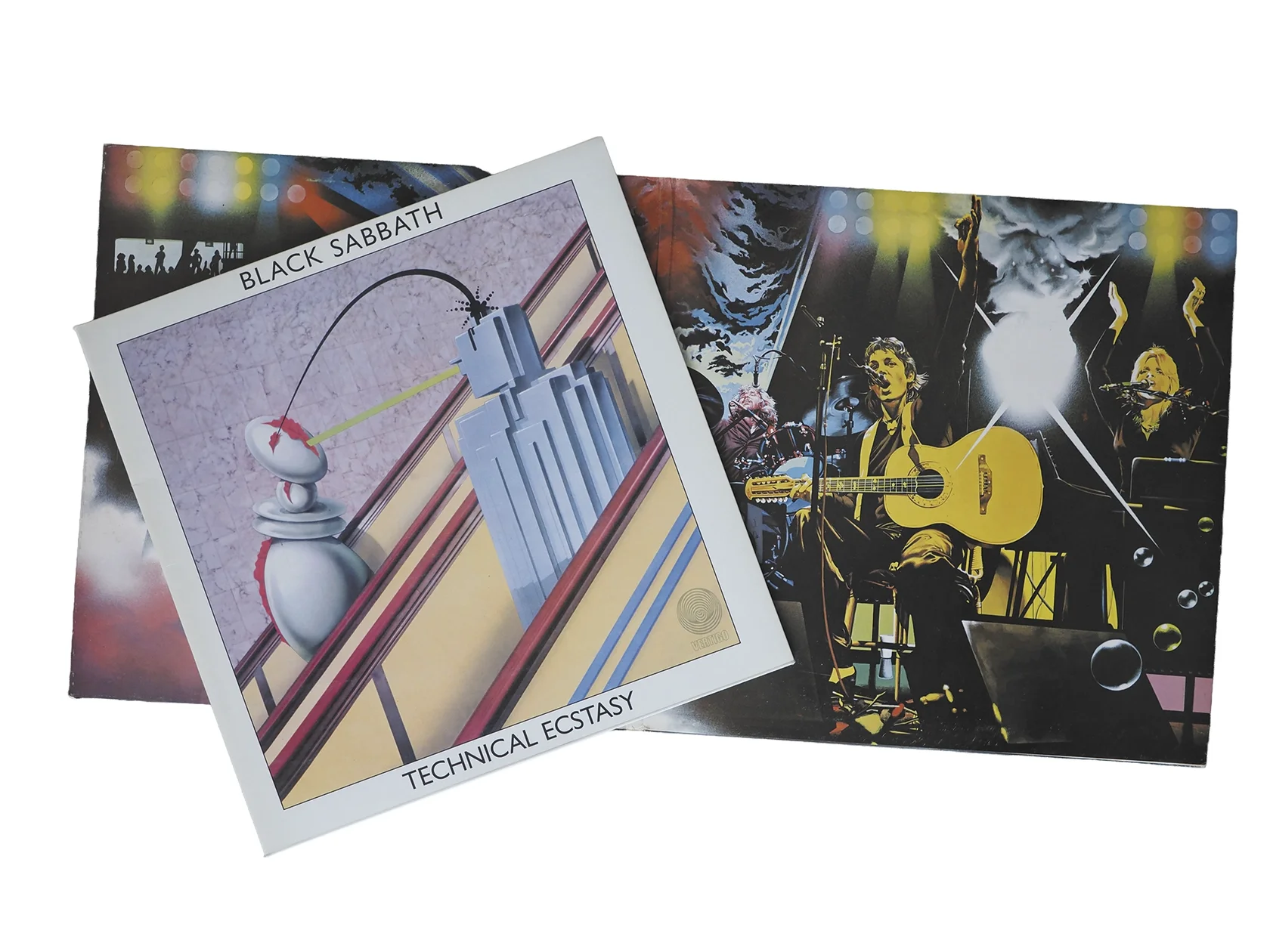
— Paul McCartney & Wings, At the Speed of Sound: a very successful year for McCartney — the album reached number one in the US, 'Silly Love Songs' topped the year-end chart, and all of it against the backdrop of the Wings over the World world tour.
— Led Zeppelin, Presence — number one on both sides of the Atlantic and platinum certification, consistent with every other Zeppelin studio album.
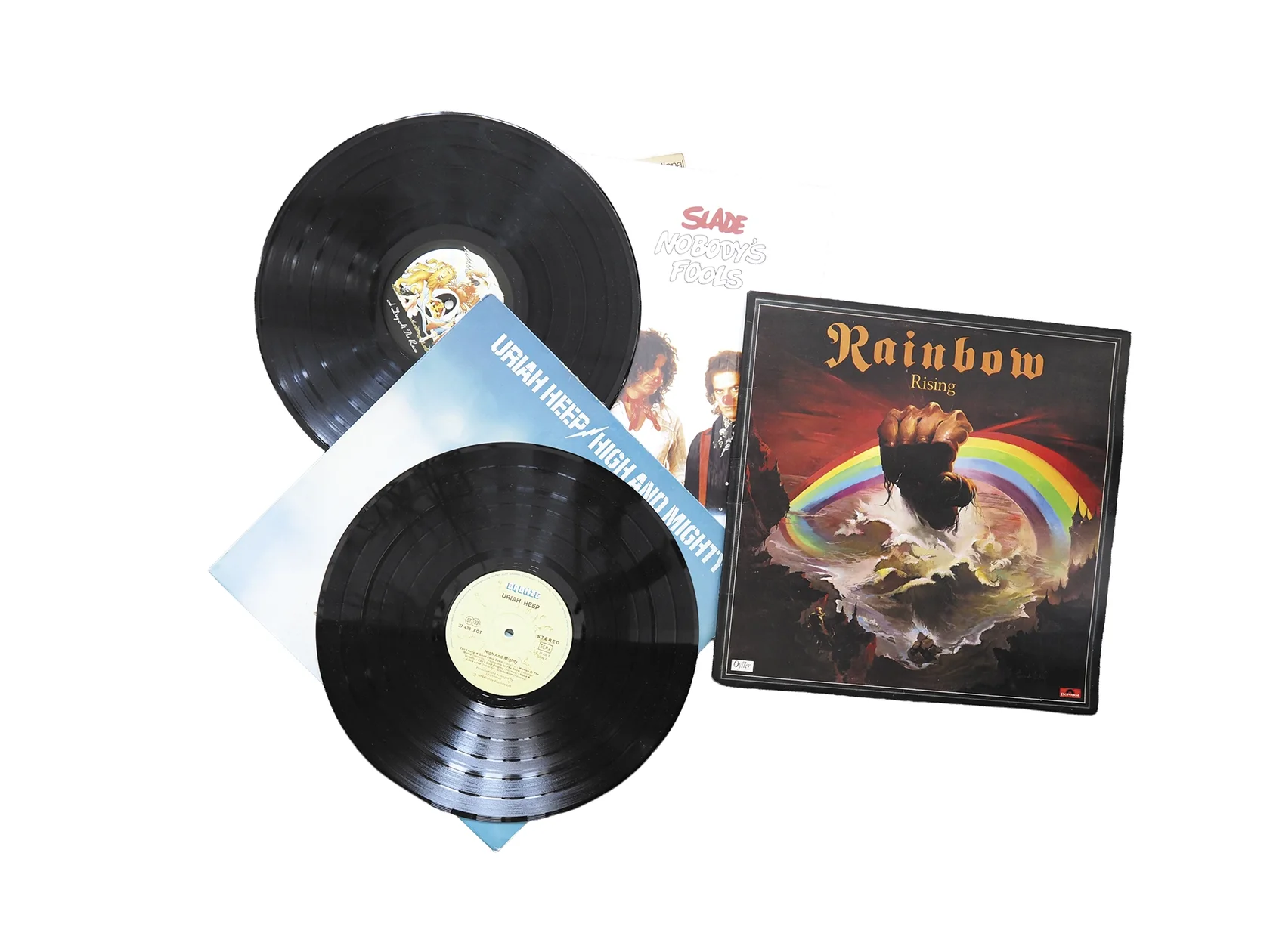
— Rainbow, Rising: Blackmore and Dio created the template for 'magical' hard rock with the epic 'Stargazer'. Ritchie Blackmore, fresh from Deep Purple; Ronnie James Dio, the future voice of Black Sabbath.
— Queen, A Day at the Races: number one in Britain, continuing the triumph of 'Bohemian Rhapsody' with the hit 'Somebody to Love'.
All three albums were also hugely popular among Soviet music lovers as they made their way onto reel-to-reel tapes (katushki — the open-reel tape recorders that were the primary means by which Western music circulated in the USSR). And Slade fans will not forgive me if I fail to mention their record Nobody’s Fools.
5. Punk and New Wave: Year Zero
This was the year these genres moved from being an in-crowd thing in garages and local venues into full-blown cultural explosion.
Punk: in April 1976 the Ramones released their debut album — a manifesto: short, fast, three chords. In Britain, the Sex Pistols released 'Anarchy in the UK', provoking a television scandal that would become the defining moment of the genre’s arrival.
New Wave: the term begins to be heard for the first time. Bands like Blondie (debut in 1976) and Talking Heads are already appearing on club stages, blending punk energy with more complex structures and moods.
6. The Golden Age of Jazz-Rock Fusion
This was a year of extraordinary technical perfection. The genre had reached the point where virtuosity attained previously unimaginable heights — and yet depth and substance were still in balance with technique.
— Weather Report, Black Market: the album on which the extraordinary bassist Jaco Pastorius appears for the first time. Probably my favourite album by this group.
— Return to Forever (the quartet led by Chick Corea), Romantic Warrior. The peak of technical mastery and invention — sometimes even classified as prog rock, but it is jazz, of course. Corea also released two excellent solo albums the same year, including The Leprechaun.
— George Benson, Breezin': the album that launched the smooth-jazz genre as a mass phenomenon — all sweetness and background. But that takes nothing away from its merits, and we listen to it with pleasure to this day. A Grammy, a platinum disc — and Benson the vocalist surpasses Benson the guitarist in popularity.
7. The Soviet Union
The seventies in the USSR were a time of information lag. While the world was going mad for disco and punk, Soviet music lovers on the dance floor were still demanding 'Shizgara' — their name for 'Venus' by Shocking Blue (the 1969 Dutch pop song that became a massive hit in the USSR, circulating on home-recorded tapes; Soviet listeners heard the title as 'shizgara', a phonetic approximation of 'she's got it' from the lyrics) — and guitarists in apartment-block stairwells were picking out the riff from 'Smoke on the Water'.
In '76 they felt themselves at the summit — with no inkling of the punk coup, the new wave, and the disco frenzy that were about to descend on them.
— Paul McCartney & Wings, At the Speed of Sound: a very successful year for McCartney — the album reached number one in the US, 'Silly Love Songs' topped the year-end chart, and all of it against the backdrop of the Wings over the World world tour.
— Led Zeppelin, Presence — number one on both sides of the Atlantic and platinum certification, consistent with every other Zeppelin studio album.
— Rainbow, Rising: Blackmore and Dio created the template for 'magical' hard rock with the epic 'Stargazer'. Ritchie Blackmore, fresh from Deep Purple; Ronnie James Dio, the future voice of Black Sabbath.
— Queen, A Day at the Races: number one in Britain, continuing the triumph of 'Bohemian Rhapsody' with the hit 'Somebody to Love'.
All three albums were also hugely popular among Soviet music lovers as they made their way onto reel-to-reel tapes (katushki — the open-reel tape recorders that were the primary means by which Western music circulated in the USSR). And Slade fans will not forgive me if I fail to mention their record Nobody’s Fools.
5. Punk and New Wave: Year Zero
This was the year these genres moved from being an in-crowd thing in garages and local venues into full-blown cultural explosion.
Punk: in April 1976 the Ramones released their debut album — a manifesto: short, fast, three chords. In Britain, the Sex Pistols released 'Anarchy in the UK', provoking a television scandal that would become the defining moment of the genre’s arrival.
New Wave: the term begins to be heard for the first time. Bands like Blondie (debut in 1976) and Talking Heads are already appearing on club stages, blending punk energy with more complex structures and moods.
6. The Golden Age of Jazz-Rock Fusion
This was a year of extraordinary technical perfection. The genre had reached the point where virtuosity attained previously unimaginable heights — and yet depth and substance were still in balance with technique.
— Weather Report, Black Market: the album on which the extraordinary bassist Jaco Pastorius appears for the first time. Probably my favourite album by this group.
— Return to Forever (the quartet led by Chick Corea), Romantic Warrior. The peak of technical mastery and invention — sometimes even classified as prog rock, but it is jazz, of course. Corea also released two excellent solo albums the same year, including The Leprechaun.
— George Benson, Breezin': the album that launched the smooth-jazz genre as a mass phenomenon — all sweetness and background. But that takes nothing away from its merits, and we listen to it with pleasure to this day. A Grammy, a platinum disc — and Benson the vocalist surpasses Benson the guitarist in popularity.
7. The Soviet Union
The seventies in the USSR were a time of information lag. While the world was going mad for disco and punk, Soviet music lovers on the dance floor were still demanding 'Shizgara' — their name for 'Venus' by Shocking Blue (the 1969 Dutch pop song that became a massive hit in the USSR, circulating on home-recorded tapes; Soviet listeners heard the title as 'shizgara', a phonetic approximation of 'she's got it' from the lyrics) — and guitarists in apartment-block stairwells were picking out the riff from 'Smoke on the Water'.
And then, in '76, David Tukhmanov released the album Po volne moyey pamyati (On the Wave of My Memory). In the USSR, LP records were normally collections of songs even when a single composer or performer was involved. Tukhmanov created a unified work set to verses by classical poets — Sappho, Goethe, Akhmatova, Baudelaire. Stylistically it was essentially prog rock in disguise, dressed up as a 'pop-symphonic suite' — a kind of forbidden fruit on the Soviet popular stage. What’s more, the vocalists were not established stars but young, largely unknown performers. Copies sold out within hours; for a long time the record was the kind of deficit item (defitsit — the Soviet term for goods that were officially available but chronically in short supply, obtainable only through connections or queuing) that the country was notorious for. At the time it was mind-blowing, almost a shock.
Today my own focus has shifted — away from 'Iz vagantov' ('From the Vagantes'), which I loved as a schoolboy for its almost tavern-like quality, toward the dramatic and deeply layered 'Smyateniye' ('Confusion'), set to verses by Anna Akhmatova. I say this not as criticism of Tukhmanov’s album: fifty years on, the distance allows one to strip the music of the 'novelty effect' and the excitement of scarcity. Simple, sincere 'Vologda' has become a folk classic; Tukhmanov’s somewhat eclectic and baroque album has remained a monument to its era — a canonical, respected monument, worthy of appreciation for its audacity. But 'classic' is what continues to live inside people.
The same year, at the Pesnya‑76 (Song of '76) national competition, another phenomenon was born: a cover — as we’d say today — of an obscure 1960s song, 'Vologda'. A simple, sentimental song, but performed with extraordinary professionalism and the signature harmonies of the Pesniary (the Belarusian vocal-instrumental ensemble, one of the USSR’s most celebrated and technically accomplished acts).
In '76, in Europe — Sweden and Germany — records appeared that would become mega-popular here in '77 and '78, breaching the Iron Curtain by legitimate means: through television programmes and licensed albums released by Melodiya (the Soviet state record label and the sole legal manufacturer of records in the USSR). These were ABBA with Arrival and the songs 'Dancing Queen', 'Money, Money, Money', 'Knowing Me, Knowing You'. And also the disco project Boney M., with their debut Take the Heat off Me and the singles 'Daddy Cool' and their cover of Bobby Hebb’s 1960s song 'Sunny'. Let us not forget them, and let us not look down on them from any aesthetic height.
Does it matter, in the end, whether everything mentioned here has stood the test of time or whether some of it we listen to as nostalgic memory? If you were not yet born in '76, or were too young to remember, nothing stops you from making a time journey to this pivotal year in music and simply listening.
Perhaps you will immerse yourself in that time and picture yourself on the sofa of a Khrushchyovka (khrushchyovka — the mass-produced five-storey apartment blocks built across the USSR under Khrushchev in the 1960s, synonymous with Soviet everyday life), a reel-to-reel tape player sending Paul McCartney into the room — or dancing with a classmate at the school disco to 'Hotel California'. Or perhaps you will be transported to a New York club for a Talking Heads show, or to the Montreux Jazz Festival in '76 for Weather Report’s triumphant performance…
And if you revisit some of these records and songs, remember something you had forgotten, or discover something new — the author will consider the mission accomplished.
Today my own focus has shifted — away from 'Iz vagantov' ('From the Vagantes'), which I loved as a schoolboy for its almost tavern-like quality, toward the dramatic and deeply layered 'Smyateniye' ('Confusion'), set to verses by Anna Akhmatova. I say this not as criticism of Tukhmanov’s album: fifty years on, the distance allows one to strip the music of the 'novelty effect' and the excitement of scarcity. Simple, sincere 'Vologda' has become a folk classic; Tukhmanov’s somewhat eclectic and baroque album has remained a monument to its era — a canonical, respected monument, worthy of appreciation for its audacity. But 'classic' is what continues to live inside people.
The same year, at the Pesnya‑76 (Song of '76) national competition, another phenomenon was born: a cover — as we’d say today — of an obscure 1960s song, 'Vologda'. A simple, sentimental song, but performed with extraordinary professionalism and the signature harmonies of the Pesniary (the Belarusian vocal-instrumental ensemble, one of the USSR’s most celebrated and technically accomplished acts).
In '76, in Europe — Sweden and Germany — records appeared that would become mega-popular here in '77 and '78, breaching the Iron Curtain by legitimate means: through television programmes and licensed albums released by Melodiya (the Soviet state record label and the sole legal manufacturer of records in the USSR). These were ABBA with Arrival and the songs 'Dancing Queen', 'Money, Money, Money', 'Knowing Me, Knowing You'. And also the disco project Boney M., with their debut Take the Heat off Me and the singles 'Daddy Cool' and their cover of Bobby Hebb’s 1960s song 'Sunny'. Let us not forget them, and let us not look down on them from any aesthetic height.
Does it matter, in the end, whether everything mentioned here has stood the test of time or whether some of it we listen to as nostalgic memory? If you were not yet born in '76, or were too young to remember, nothing stops you from making a time journey to this pivotal year in music and simply listening.
Perhaps you will immerse yourself in that time and picture yourself on the sofa of a Khrushchyovka (khrushchyovka — the mass-produced five-storey apartment blocks built across the USSR under Khrushchev in the 1960s, synonymous with Soviet everyday life), a reel-to-reel tape player sending Paul McCartney into the room — or dancing with a classmate at the school disco to 'Hotel California'. Or perhaps you will be transported to a New York club for a Talking Heads show, or to the Montreux Jazz Festival in '76 for Weather Report’s triumphant performance…
And if you revisit some of these records and songs, remember something you had forgotten, or discover something new — the author will consider the mission accomplished.
The Greats Depart… and Remain
For rock music, 2026 is in many ways a year of farewell — a farewell to those who, across decades, were not merely idols but the genuine creators of the music that became an inseparable part of the lives of several generations.
A succession of albums is appearing — albums that are entirely justifiably called farewell records, for a whole series of outstanding musicians has now entered their eighth decade.
And they understand that it is time to leave the stage. But to leave not as grumbling old men leaning on a cane. To leave with dignity. Not slamming the door out of resentment that no one understands them any more — but leaving behind music that millions will still be listening to for many, many years.
First and foremost, Paul McCartney with his new album The Boys of Dudgeon Lane — a nostalgic but tearless return to his youth in Liverpool, before the Beatles and their genuinely worldwide fame. He strolls once more through the streets of the city where so many names are now directly linked to the band’s history.
A succession of albums is appearing — albums that are entirely justifiably called farewell records, for a whole series of outstanding musicians has now entered their eighth decade.
And they understand that it is time to leave the stage. But to leave not as grumbling old men leaning on a cane. To leave with dignity. Not slamming the door out of resentment that no one understands them any more — but leaving behind music that millions will still be listening to for many, many years.
First and foremost, Paul McCartney with his new album The Boys of Dudgeon Lane — a nostalgic but tearless return to his youth in Liverpool, before the Beatles and their genuinely worldwide fame. He strolls once more through the streets of the city where so many names are now directly linked to the band’s history.
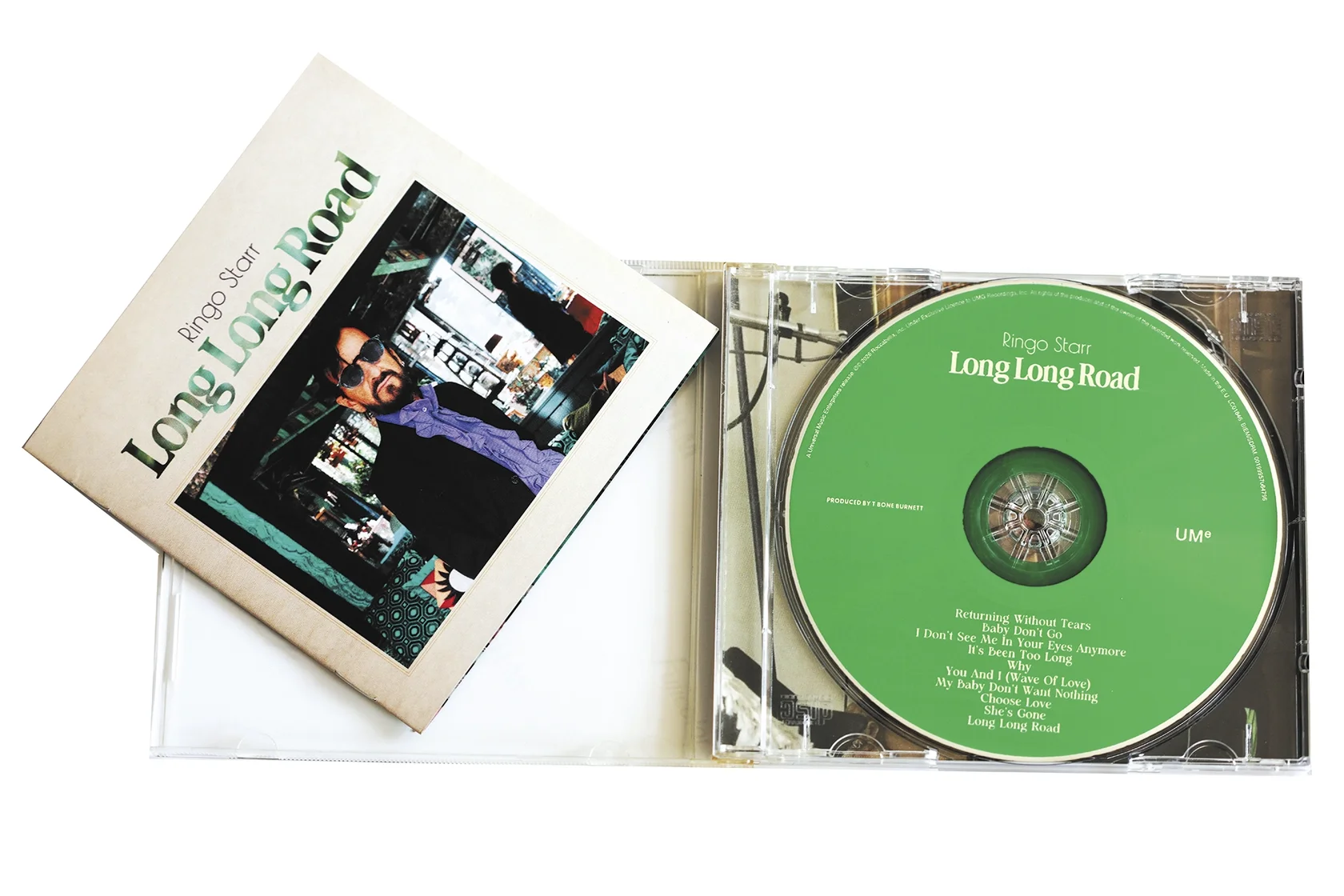
Ringo Starr too, with his calm, unhurried album Long Long Road — predominantly country in style, with a voice that remains instantly recognisable and loved by listeners of every age. And it is no coincidence that he appears on McCartney’s album — confirmation, once again, that the Beatles are for ever.
Suzi Quatro with her electrifying rock album Freedom — which brings back memories of dancing to her songs back in the seventies. And her duet on it with the perennial Alice Cooper, who stormed the rock stage more than sixty years ago with songs that became anthems for a generation.
The Rolling Stones with Foreign Tongues — new riffs from Keith Richards and Mick Jagger’s incomparable voice. Hard to believe they first took the stage in 1962: almost an eternity ago.
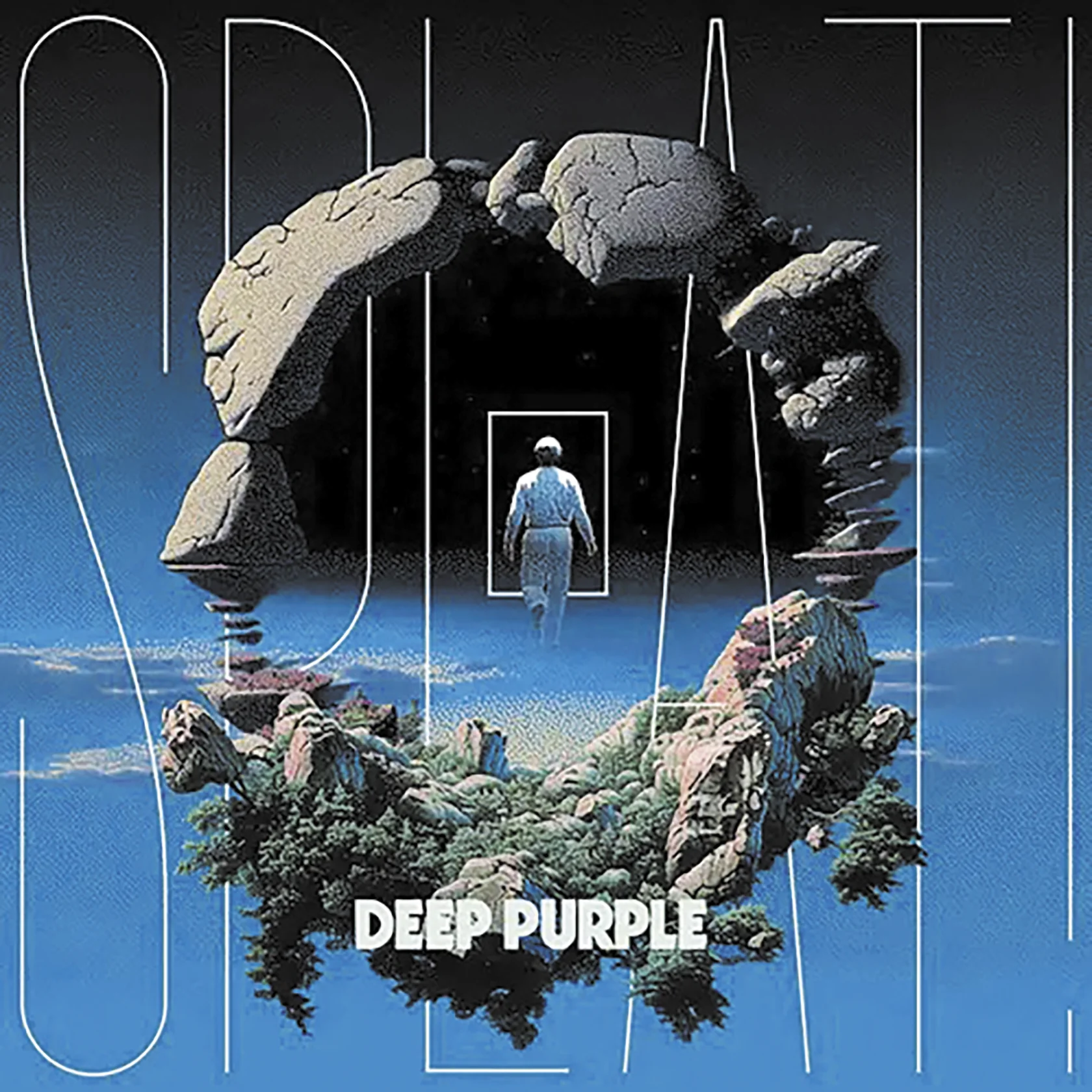
And of course Deep Purple — with Ian Gillan’s voice, slightly changed but still instantly recognisable. Their new album Splat! sounds like a bridge back to the great In Rock and Machine Head, but with a drive that time cannot touch. A world tour will follow the album, after which the curtain may come down for good.
They are leaving — walking off the stage with dignity, knowing that what was created will inevitably be returned to by new musicians, again and again. Their songs will not gather dust on records abandoned to some cupboard. They will remain what all of us call living classics.
Suzi Quatro with her electrifying rock album Freedom — which brings back memories of dancing to her songs back in the seventies. And her duet on it with the perennial Alice Cooper, who stormed the rock stage more than sixty years ago with songs that became anthems for a generation.
The Rolling Stones with Foreign Tongues — new riffs from Keith Richards and Mick Jagger’s incomparable voice. Hard to believe they first took the stage in 1962: almost an eternity ago.
And of course Deep Purple — with Ian Gillan’s voice, slightly changed but still instantly recognisable. Their new album Splat! sounds like a bridge back to the great In Rock and Machine Head, but with a drive that time cannot touch. A world tour will follow the album, after which the curtain may come down for good.
They are leaving — walking off the stage with dignity, knowing that what was created will inevitably be returned to by new musicians, again and again. Their songs will not gather dust on records abandoned to some cupboard. They will remain what all of us call living classics.