How does a single idea become part of a larger system? Using the example of projects from different fields, we have traced the path from local initiatives to solutions that are changing entire industries and regions and the quality of people's lives.
Today's stage of technological development is defined less by the emergence of individual innovations than by the formation of stable technology ecosystems. Artificial intelligence, autonomous systems, robotics, additive manufacturing, and new medical technologies are developing in tandem, reshaping the economy, the social sphere, and public administration.
Their practical impact depends on how much they improve people's quality of life: by making healthcare and education more accessible, by making urban and public services more convenient, and by cutting costs in industry. Large technological systems often grow out of small initiatives aimed at solving one specific problem.
New models first appear in individual schools, hospitals, companies, or regions. At this stage, their creators test and refine the solutions before rolling them out to other territories and industries. That is why organizations that identify promising projects and help their teams move from idea to scale play such an important role.
Fifteen years ago, the Agency for Strategic Initiatives (ASI) became one such organization. Its task is to support promising projects and lower the barriers to putting them into practice. At the agency's founding, Vladimir Putin described its role this way:
"I would very much like ASI to become an additional and effective mechanism, a tool for widening the road for you — for those who want to advance their ideas, for people full of energy and eager to achieve what they consider important, both for themselves and their business, and for the country"
Over the years, ASI has built a system for selecting and supporting initiatives. Through leadership projects, competitive selection mechanisms, and the "Strong Ideas for a New Time" forum, the agency has selected and supported thousands of solutions in the social sphere, education, industry, and technology services. Many teams have since implemented their developments and scaled them up.
This work links local practices to national priorities. An individual initiative gets the chance to become part of a larger system, while government and business gain access to an already-tested solution. It is precisely this partnership that helps turn technological ideas into lasting change with a direct impact on people's quality of life.
Their practical impact depends on how much they improve people's quality of life: by making healthcare and education more accessible, by making urban and public services more convenient, and by cutting costs in industry. Large technological systems often grow out of small initiatives aimed at solving one specific problem.
New models first appear in individual schools, hospitals, companies, or regions. At this stage, their creators test and refine the solutions before rolling them out to other territories and industries. That is why organizations that identify promising projects and help their teams move from idea to scale play such an important role.
Fifteen years ago, the Agency for Strategic Initiatives (ASI) became one such organization. Its task is to support promising projects and lower the barriers to putting them into practice. At the agency's founding, Vladimir Putin described its role this way:
"I would very much like ASI to become an additional and effective mechanism, a tool for widening the road for you — for those who want to advance their ideas, for people full of energy and eager to achieve what they consider important, both for themselves and their business, and for the country"
Over the years, ASI has built a system for selecting and supporting initiatives. Through leadership projects, competitive selection mechanisms, and the "Strong Ideas for a New Time" forum, the agency has selected and supported thousands of solutions in the social sphere, education, industry, and technology services. Many teams have since implemented their developments and scaled them up.
This work links local practices to national priorities. An individual initiative gets the chance to become part of a larger system, while government and business gain access to an already-tested solution. It is precisely this partnership that helps turn technological ideas into lasting change with a direct impact on people's quality of life.
The Technologies That Will Define the Coming Decades
Robotics and autonomous systems are among the key technologies that will shape the development of the economy and the social sphere in the decades ahead. They boost the efficiency of core processes — from industrial production and logistics to healthcare, agriculture, and urban infrastructure — freeing specialists to focus on more complex tasks instead of routine operations.
Building and operating such systems requires skilled specialists. That is why it is important to bring children into the technological environment as early as possible. By learning programming, engineering thinking, and robotics, schoolchildren discover engineering as a career path. An early introduction to technology at school lays the groundwork for later professional work with autonomous systems.
Building and operating such systems requires skilled specialists. That is why it is important to bring children into the technological environment as early as possible. By learning programming, engineering thinking, and robotics, schoolchildren discover engineering as a career path. An early introduction to technology at school lays the groundwork for later professional work with autonomous systems.
Engineering Skills Starting at School
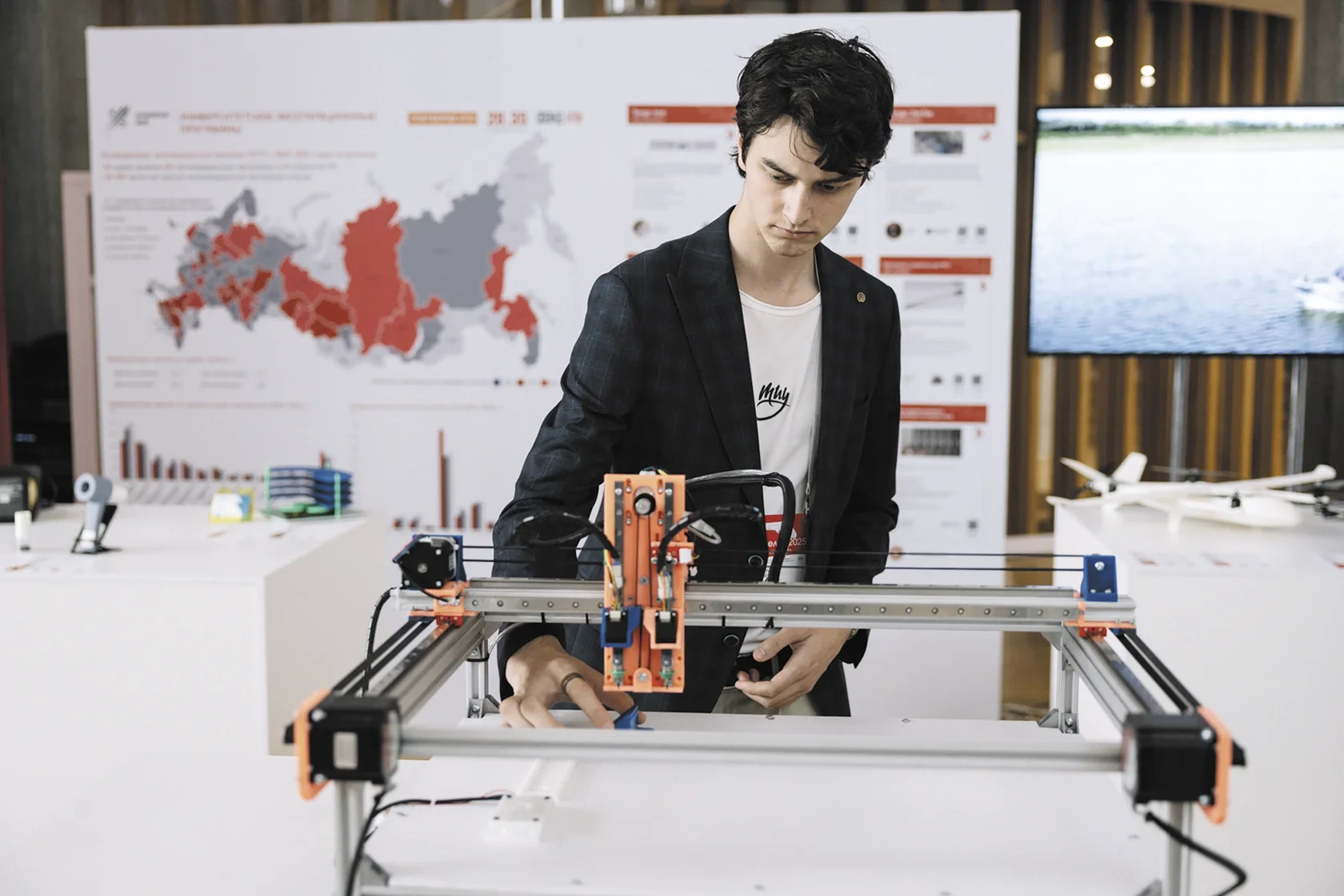
One example of this approach is the "ROBBO" project, which combines engineering education, digital technologies, and workforce training for the new-type economy. Its model is built on early engineering education and hands-on work, in the course of which children build their own devices.
The company's flagship product, "ROBBO Class," brings together hardware, software, and teaching materials for schools and after-school clubs. Students learn programming, robotics, and the basics of microelectronics, work with the internet of things, and take up 3D modeling and prototyping. The learning process centers on real engineering tasks — from an idea and writing code to building a working device.
Today, schools and educational centers in 44 countries use ROBBO's solutions. According to the company, more than 100,000 children have gone through its educational programs. Its ecosystem brings together more than 150 "ROBBO Club" centers and hundreds of engineering classrooms. The company replicates a single methodology through a network of local sites, and the project continues to expand its geography — from its first pilots in Russian schools to foreign markets.
One example of this approach is the "ROBBO" project, which combines engineering education, digital technologies, and workforce training for the new-type economy. Its model is built on early engineering education and hands-on work, in the course of which children build their own devices.
The company's flagship product, "ROBBO Class," brings together hardware, software, and teaching materials for schools and after-school clubs. Students learn programming, robotics, and the basics of microelectronics, work with the internet of things, and take up 3D modeling and prototyping. The learning process centers on real engineering tasks — from an idea and writing code to building a working device.
Today, schools and educational centers in 44 countries use ROBBO's solutions. According to the company, more than 100,000 children have gone through its educational programs. Its ecosystem brings together more than 150 "ROBBO Club" centers and hundreds of engineering classrooms. The company replicates a single methodology through a network of local sites, and the project continues to expand its geography — from its first pilots in Russian schools to foreign markets.
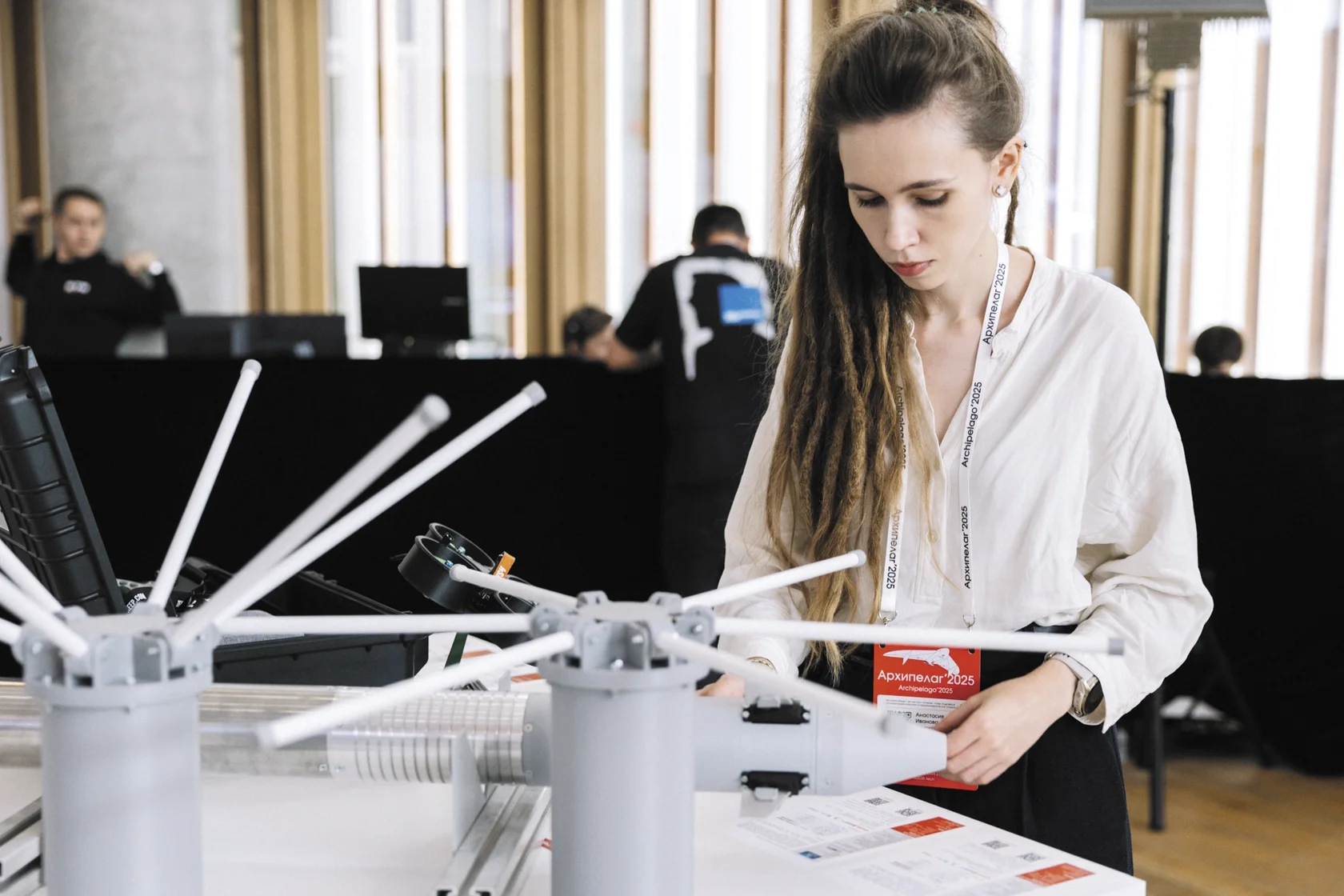
A significant milestone for ROBBO was its participation in the "Strong Ideas for a New Time" forum, held by ASI together with the Roscongress Foundation and with the support of VEB.RF. At the forum, the team presented its concept for a sovereign educational-robotics platform and gained further momentum for its development. The forum helps identify and scale up promising practices in education and technology policy.
The project also received support from federal programs, including the "Export — Digital Technologies" competition. This allowed the company to strengthen its presence in Asian markets, including China. In this way, an initiative that grew out of engineering clubs became part of a broader technological infrastructure. Training specialists is taking on particular importance as robotics and artificial intelligence converge: modern autonomous systems must not only carry out set operations but also analyze data, factor in surrounding conditions, and adjust their own actions.
The project also received support from federal programs, including the "Export — Digital Technologies" competition. This allowed the company to strengthen its presence in Asian markets, including China. In this way, an initiative that grew out of engineering clubs became part of a broader technological infrastructure. Training specialists is taking on particular importance as robotics and artificial intelligence converge: modern autonomous systems must not only carry out set operations but also analyze data, factor in surrounding conditions, and adjust their own actions.
Precision Farming
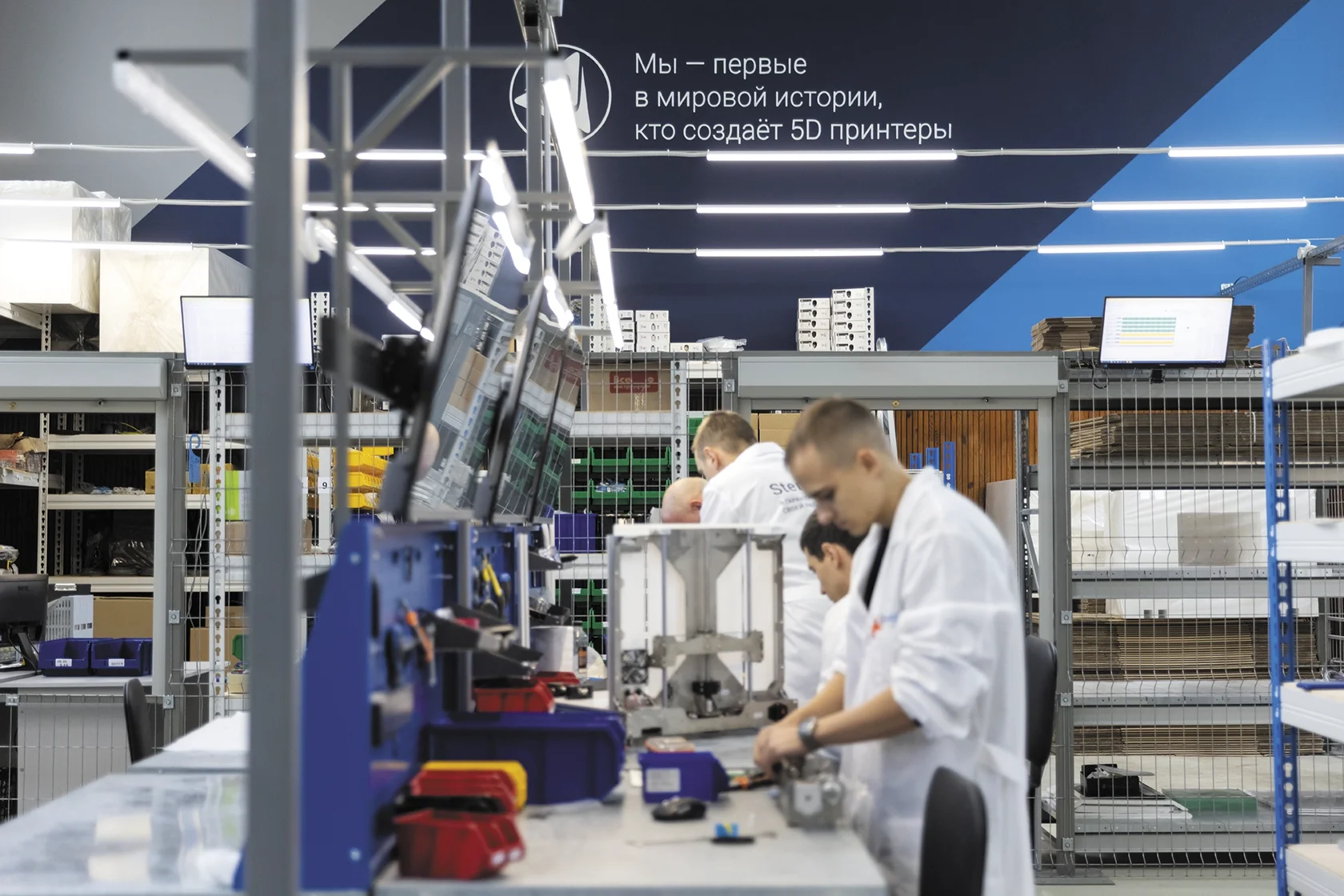
In agriculture, this same combination underlies precision farming. Digital platforms, satellite analytics, and machine learning process data on soil conditions, climate, and yields. This lets farmers move away from a one-size-fits-all approach for the whole field and instead manage each plot according to its actual potential.
This is the task addressed by the project "Scaling Precision-Farming Technologies Through an AI-Based Software Platform." The project made the shortlist of top ideas at the "Strong Ideas for a New Time" forum, and its authors presented the solution to Russian President Vladimir Putin. Alexei Trubnikov, general director of Agronaut LLC, names the lack of precise tools for assessing land condition as the key problem. "Our task is to give the farm owner a tool that lets them assess and understand the real potential of their field," he stresses.
In agriculture, this same combination underlies precision farming. Digital platforms, satellite analytics, and machine learning process data on soil conditions, climate, and yields. This lets farmers move away from a one-size-fits-all approach for the whole field and instead manage each plot according to its actual potential.
This is the task addressed by the project "Scaling Precision-Farming Technologies Through an AI-Based Software Platform." The project made the shortlist of top ideas at the "Strong Ideas for a New Time" forum, and its authors presented the solution to Russian President Vladimir Putin. Alexei Trubnikov, general director of Agronaut LLC, names the lack of precise tools for assessing land condition as the key problem. "Our task is to give the farm owner a tool that lets them assess and understand the real potential of their field," he stresses.
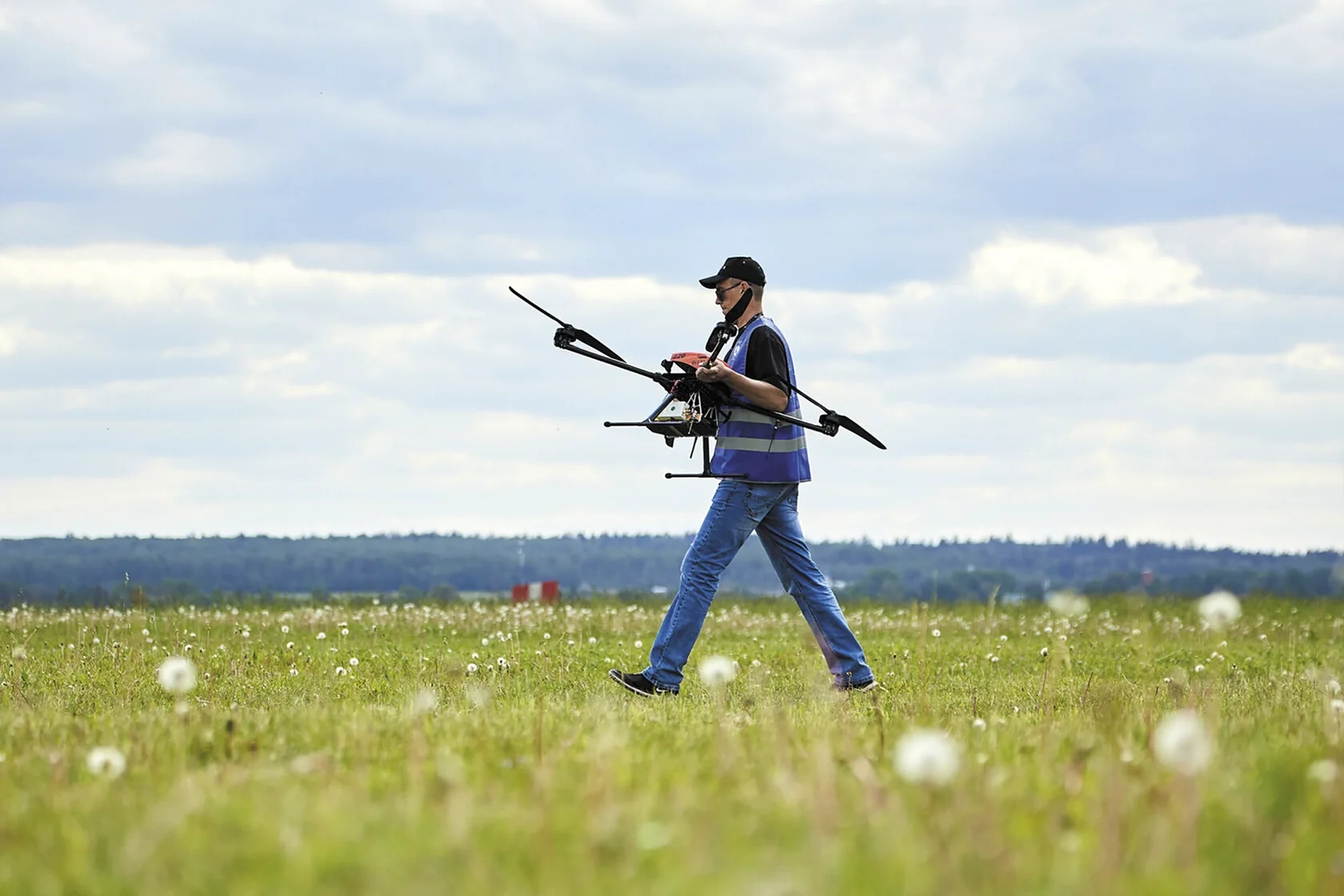
A single field often combines plots with different soil composition, moisture levels, and yield potential. Traditional agrochemical survey methods don't account for this variation, so averaged solutions fail to reflect the land's actual condition.
The company has developed the TrueFields software suite, which uses artificial intelligence and computer vision to analyze satellite imagery and agronomic data. The system processes long-term observation data and generates field-heterogeneity maps. It marks plots with consistently high yields in green, zones with average potential in yellow, and areas of persistently low yield in red. These maps help farmers shift from spreading resources evenly to targeted management of each individual plot.
"In essence, it's a shift from the idea of 'sow everywhere and hope something grows' to a smarter model — sow where the yield is sure to be high," Trubnikov stresses.
The system feeds the data it generates into farm-machinery control systems. Using GPS and GLONASS navigation, the machinery applies fertilizer and seed with high precision to specific zones of the field. This approach cuts excess resource use and improves the economic efficiency of production.
The team is also proposing to integrate artificial intelligence into government management of the agricultural sector. "We propose introducing computer vision and artificial intelligence within state programs for bringing land back into agricultural use and developing land-reclamation infrastructure," Trubnikov adds. In this way, the developers are proposing a shift from isolated implementations to system-wide digitalization of the industry, in which regions and the state make decisions based on data.
Precision farming reflects the broader direction of technological development — a shift from averaged, centralized solutions toward targeted ones. In industry, the same principle takes shape as distributed manufacturing: enterprises produce parts and components right where they plan to use them.
The company has developed the TrueFields software suite, which uses artificial intelligence and computer vision to analyze satellite imagery and agronomic data. The system processes long-term observation data and generates field-heterogeneity maps. It marks plots with consistently high yields in green, zones with average potential in yellow, and areas of persistently low yield in red. These maps help farmers shift from spreading resources evenly to targeted management of each individual plot.
"In essence, it's a shift from the idea of 'sow everywhere and hope something grows' to a smarter model — sow where the yield is sure to be high," Trubnikov stresses.
The system feeds the data it generates into farm-machinery control systems. Using GPS and GLONASS navigation, the machinery applies fertilizer and seed with high precision to specific zones of the field. This approach cuts excess resource use and improves the economic efficiency of production.
The team is also proposing to integrate artificial intelligence into government management of the agricultural sector. "We propose introducing computer vision and artificial intelligence within state programs for bringing land back into agricultural use and developing land-reclamation infrastructure," Trubnikov adds. In this way, the developers are proposing a shift from isolated implementations to system-wide digitalization of the industry, in which regions and the state make decisions based on data.
Precision farming reflects the broader direction of technological development — a shift from averaged, centralized solutions toward targeted ones. In industry, the same principle takes shape as distributed manufacturing: enterprises produce parts and components right where they plan to use them.
Distributed Manufacturing
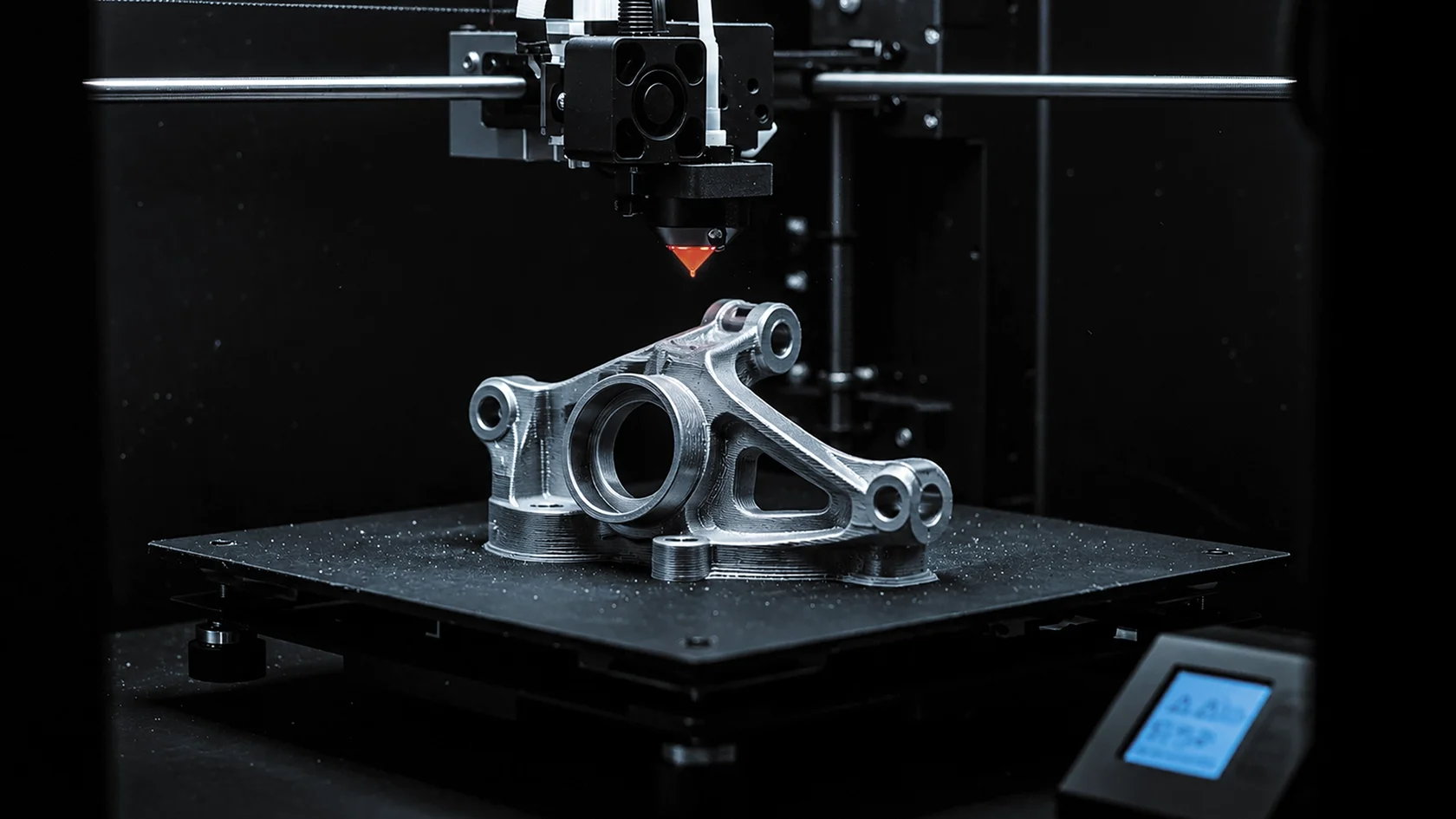
Until recently, companies used 3D printing mainly for prototyping. Today they are building it into their production infrastructure and gradually shifting from centralized supply chains to distributed digital manufacturing.
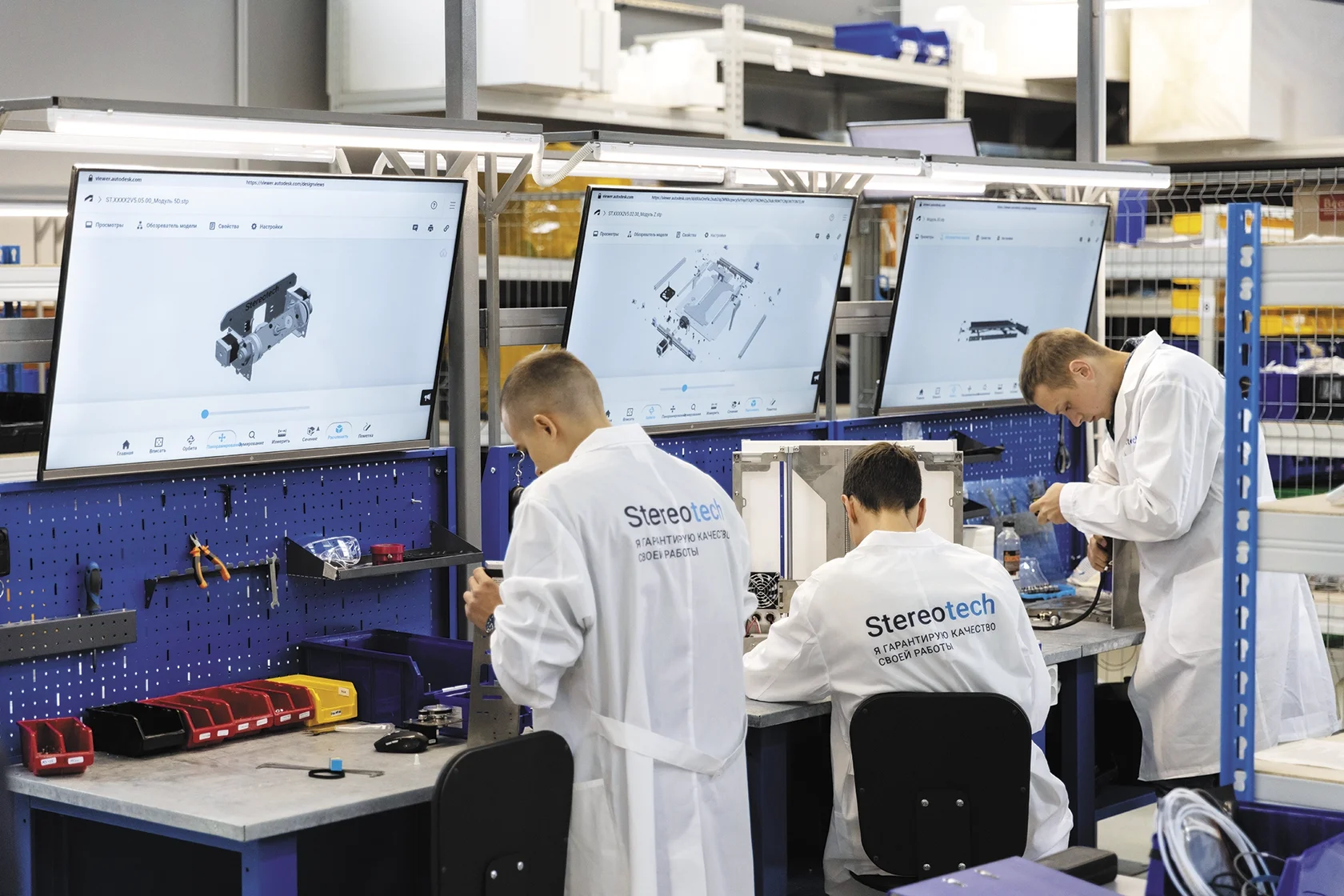
The Russian company Stereotech is developing this field: it builds industrial 5D printers and software for multi-axis additive manufacturing. In 2022, the project attracted 100 million rubles in investment from the National Technology Initiative's venture fund. ASI also backed the project as a promising solution for the industrial ecosystem of the future.
The 5DTech technology builds up material structure at varying angles. In classic 3D printing, the equipment lays down material in successive layers, whereas multi-axis printing allows control over the direction in which material is deposited. This changes the strength and durability characteristics of finished parts. According to the developers, parts made of ABS plastic can withstand loads of up to 130 MPa. This makes it possible to use the technology not only for prototyping but also for producing functional industrial components.
"We are creating a new trend on the global market for industrial-equipment spare parts. Sooner or later, everything will move toward consumables and spare parts for industrial equipment being printed right at the manufacturer's own plant, with a multiple-fold reduction in cost," notes company co-founder Anatoly Tulaev.
According to Stereotech's estimates, a single 5D printer can save a company up to 6 million rubles a year and pay for itself in around two months. If companies combine printers into production "farms," they could save hundreds of millions of rubles annually by producing parts locally and reducing dependence on outside suppliers.
A systemic effect emerges when workforce training, the deployment of new developments, and production infrastructure form a single process. School robotics builds engineering skills, artificial intelligence turns industry data into practical solutions, and additive manufacturing shortens the path from digital model to finished part. Organizations that support technology projects connect these levels and help local initiatives scale up. It is the resilience of this chain that will determine whether individual projects can go on to shape the development of entire industries and the economy as a whole.
Until recently, companies used 3D printing mainly for prototyping. Today they are building it into their production infrastructure and gradually shifting from centralized supply chains to distributed digital manufacturing.
The Russian company Stereotech is developing this field: it builds industrial 5D printers and software for multi-axis additive manufacturing. In 2022, the project attracted 100 million rubles in investment from the National Technology Initiative's venture fund. ASI also backed the project as a promising solution for the industrial ecosystem of the future.
The 5DTech technology builds up material structure at varying angles. In classic 3D printing, the equipment lays down material in successive layers, whereas multi-axis printing allows control over the direction in which material is deposited. This changes the strength and durability characteristics of finished parts. According to the developers, parts made of ABS plastic can withstand loads of up to 130 MPa. This makes it possible to use the technology not only for prototyping but also for producing functional industrial components.
"We are creating a new trend on the global market for industrial-equipment spare parts. Sooner or later, everything will move toward consumables and spare parts for industrial equipment being printed right at the manufacturer's own plant, with a multiple-fold reduction in cost," notes company co-founder Anatoly Tulaev.
According to Stereotech's estimates, a single 5D printer can save a company up to 6 million rubles a year and pay for itself in around two months. If companies combine printers into production "farms," they could save hundreds of millions of rubles annually by producing parts locally and reducing dependence on outside suppliers.
A systemic effect emerges when workforce training, the deployment of new developments, and production infrastructure form a single process. School robotics builds engineering skills, artificial intelligence turns industry data into practical solutions, and additive manufacturing shortens the path from digital model to finished part. Organizations that support technology projects connect these levels and help local initiatives scale up. It is the resilience of this chain that will determine whether individual projects can go on to shape the development of entire industries and the economy as a whole.
Technologies That Restore Opportunities
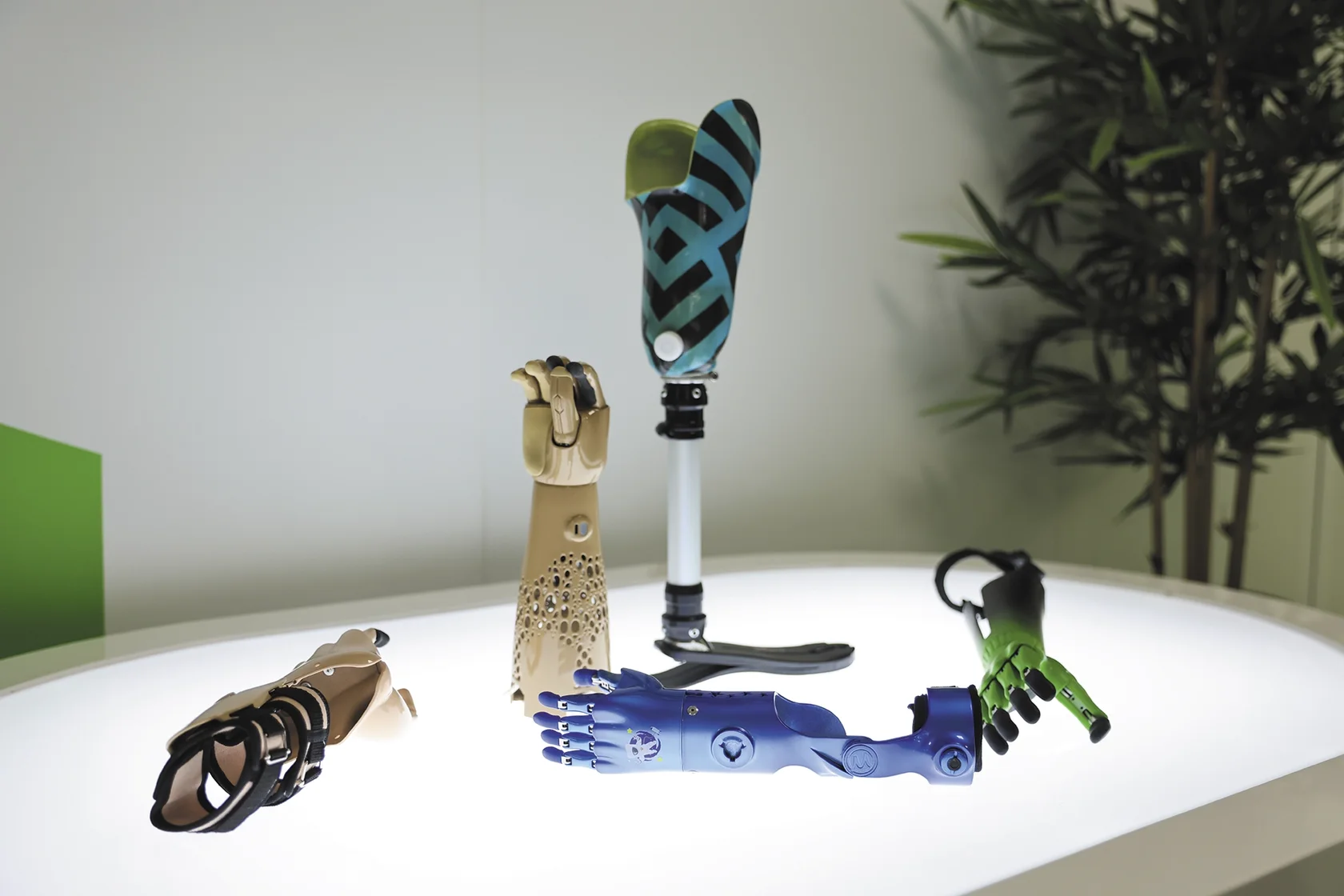
Every year, modern medicine focuses more and more on the individual patient — their diagnosis, how they perceive the world, and their way of life. Artificial intelligence helps people with vision and hearing impairments navigate their surroundings, while individualized bioimplants make it possible to restore damaged bones and avoid amputation. These developments give people back the ability to communicate, study, work, and live full lives.
Sensor-Tech, a company whose work has been supported by the Agency for Strategic Initiatives (ASI), creates devices and software solutions for people with vision and hearing impairments and for people with autism. These technologies are built on computer vision, speech recognition, and artificial intelligence algorithms that "translate" the surrounding world, in real time, into a form accessible to a given person.
Sensor-Tech, a company whose work has been supported by the Agency for Strategic Initiatives (ASI), creates devices and software solutions for people with vision and hearing impairments and for people with autism. These technologies are built on computer vision, speech recognition, and artificial intelligence algorithms that "translate" the surrounding world, in real time, into a form accessible to a given person.
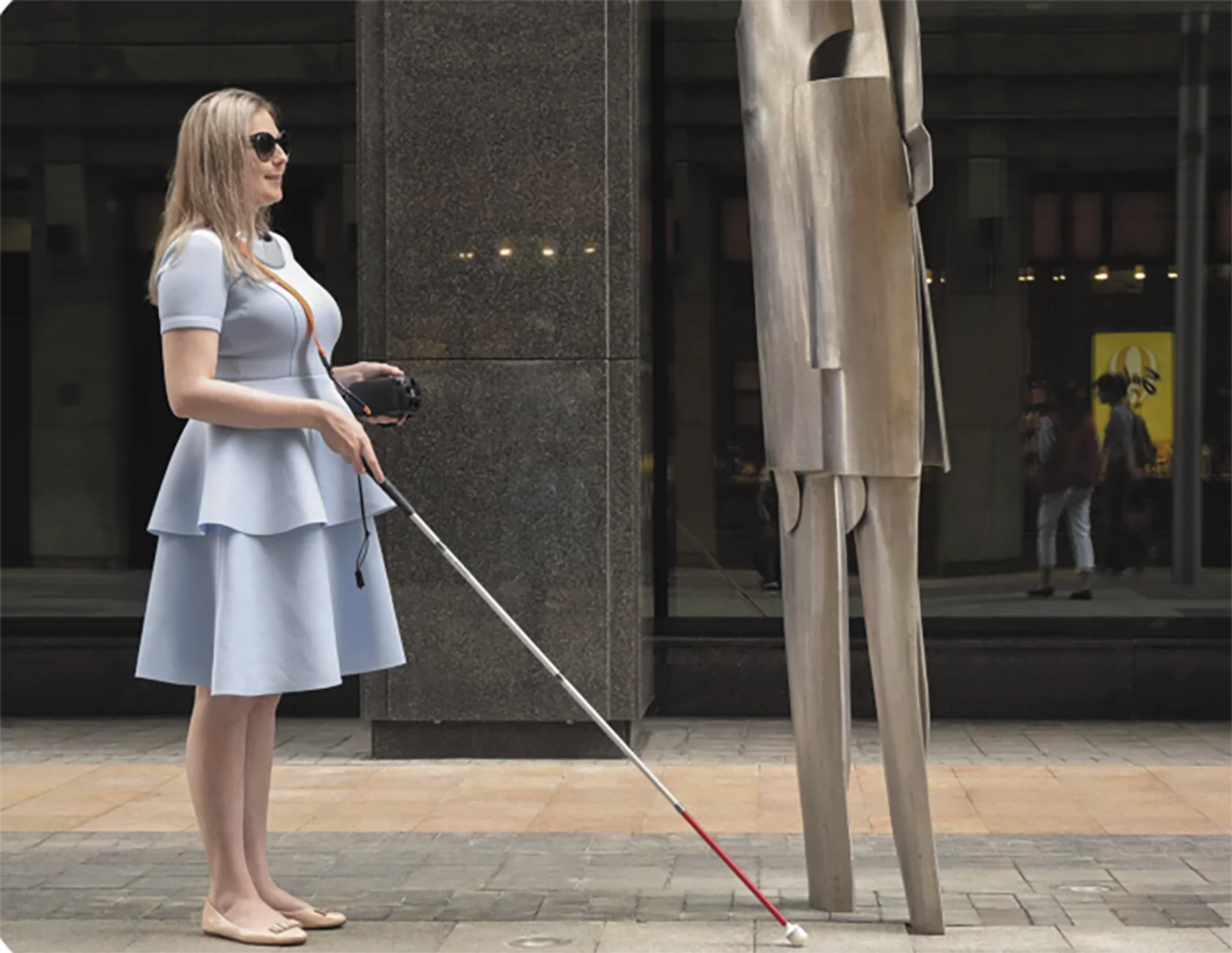
According to project head Denis Kuleshov, the key goal of these developments is to expand what a person can do despite health limitations
"Our company builds devices and develops smartphone programs that help people who are blind, deaf, or have autism. Each of them faces difficulties in life that get in the way of communicating, studying, working, and reaching their goals," Kuleshov says.
One of the company's core products is the "Robin" system. It helps blind people navigate space: it recognizes objects around them, gives voice directions along a route, and can read text from documents and signs. For people with hearing impairments, the company has created the "Charlie" device, which turns a conversation partner's speech into text on a screen or into Braille, making conversation clearer and faster.
Another development is the "SURDO-POMOSCH" (Sign-Language Help) digital platform. It combines speech recognition, subtitles, and elements of sign language, and works as a virtual sign-language interpreter.
Sensor-Tech's core technological focus, however, remains neural implants meant to restore a person's hearing or sight. For hearing, this means a new generation of cochlear implants; for sight, systems that transmit an image directly to the brain's visual cortex.
Today, the company's solutions are already used in social services, schools, clinics, and hospitals. The technologies are gradually moving from experimental prototypes to mass-produced products and are setting a new standard for an accessible environment.
"Our company builds devices and develops smartphone programs that help people who are blind, deaf, or have autism. Each of them faces difficulties in life that get in the way of communicating, studying, working, and reaching their goals," Kuleshov says.
One of the company's core products is the "Robin" system. It helps blind people navigate space: it recognizes objects around them, gives voice directions along a route, and can read text from documents and signs. For people with hearing impairments, the company has created the "Charlie" device, which turns a conversation partner's speech into text on a screen or into Braille, making conversation clearer and faster.
Another development is the "SURDO-POMOSCH" (Sign-Language Help) digital platform. It combines speech recognition, subtitles, and elements of sign language, and works as a virtual sign-language interpreter.
Sensor-Tech's core technological focus, however, remains neural implants meant to restore a person's hearing or sight. For hearing, this means a new generation of cochlear implants; for sight, systems that transmit an image directly to the brain's visual cortex.
Today, the company's solutions are already used in social services, schools, clinics, and hospitals. The technologies are gradually moving from experimental prototypes to mass-produced products and are setting a new standard for an accessible environment.
A Bioimplant Instead of Amputation
A similar principle of tailoring technology to the individual patient underlies another project — the use of individualized bioimplants for severe foot injuries. The development was presented at the "Strong Ideas for a New Time" forum, held by ASI and the Roscongress Foundation with the support of VEB.RF, and the solution is already used in clinical practice at several medical centers.
Patients most often affected by such injuries are those with diabetic foot and a complication called Charcot osteoarthropathy. In this condition, the bones of the foot gradually break down, which leads to amputation — but the new method makes it possible to avoid that.
"We found a way to avoid amputation and restore the structure of the foot using individualized bioimplants," notes project leader Aikush Nazaryan.
Patients most often affected by such injuries are those with diabetic foot and a complication called Charcot osteoarthropathy. In this condition, the bones of the foot gradually break down, which leads to amputation — but the new method makes it possible to avoid that.
"We found a way to avoid amputation and restore the structure of the foot using individualized bioimplants," notes project leader Aikush Nazaryan.
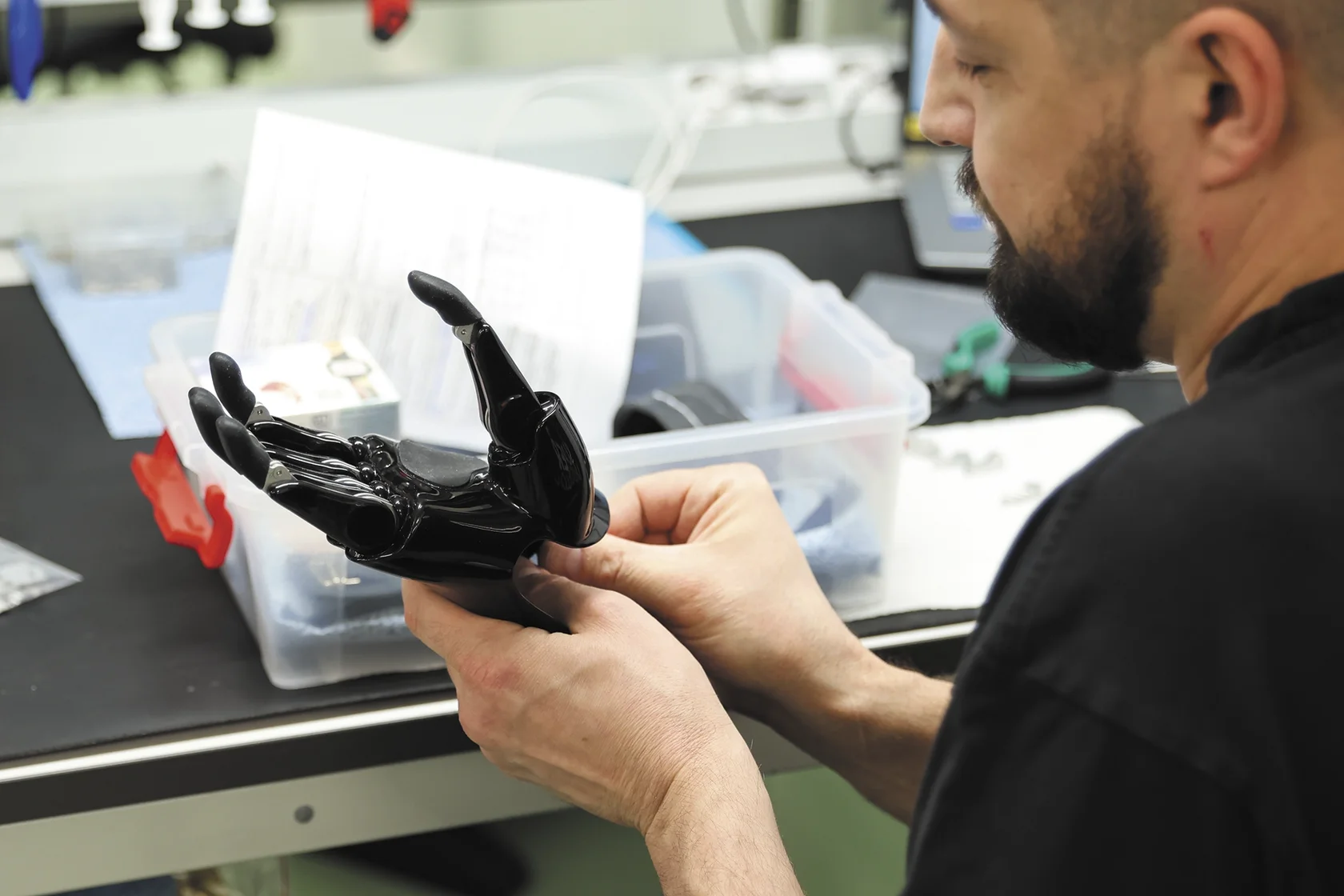
The technology works as follows. First, doctors remove the damaged section of bone and temporarily fill the resulting cavity with medical cement containing an antibiotic, which protects the wound from infection. The patient then undergoes a CT scan; the images are used to build a 3D model of the defect, and an individualized implant is machined from donor bone tissue based on that model. Russian software, Inobitec, is used, among other tools, for precise digital modeling.
The finished implant is sterilized and fitted to the patient, and the structure is then held in place for 6–8 months with a special Ilizarov apparatus until the bone fuses again. After that, the body itself takes over: over roughly a year and a half, the implant is fully replaced by the patient's own bone tissue.
The technology has another important advantage, especially for patients with diabetes. "For diabetic patients, the method is especially important because metal structures often impair blood supply to the tissue, while our implant, by contrast, lets blood vessels grow into it," explains Aikush Nazaryan. In other words, instead of blocking blood flow, as metal often does, the implant lets blood vessels grow through it, helping the surrounding tissue heal better.
The finished implant is sterilized and fitted to the patient, and the structure is then held in place for 6–8 months with a special Ilizarov apparatus until the bone fuses again. After that, the body itself takes over: over roughly a year and a half, the implant is fully replaced by the patient's own bone tissue.
The technology has another important advantage, especially for patients with diabetes. "For diabetic patients, the method is especially important because metal structures often impair blood supply to the tissue, while our implant, by contrast, lets blood vessels grow into it," explains Aikush Nazaryan. In other words, instead of blocking blood flow, as metal often does, the implant lets blood vessels grow through it, helping the surrounding tissue heal better.