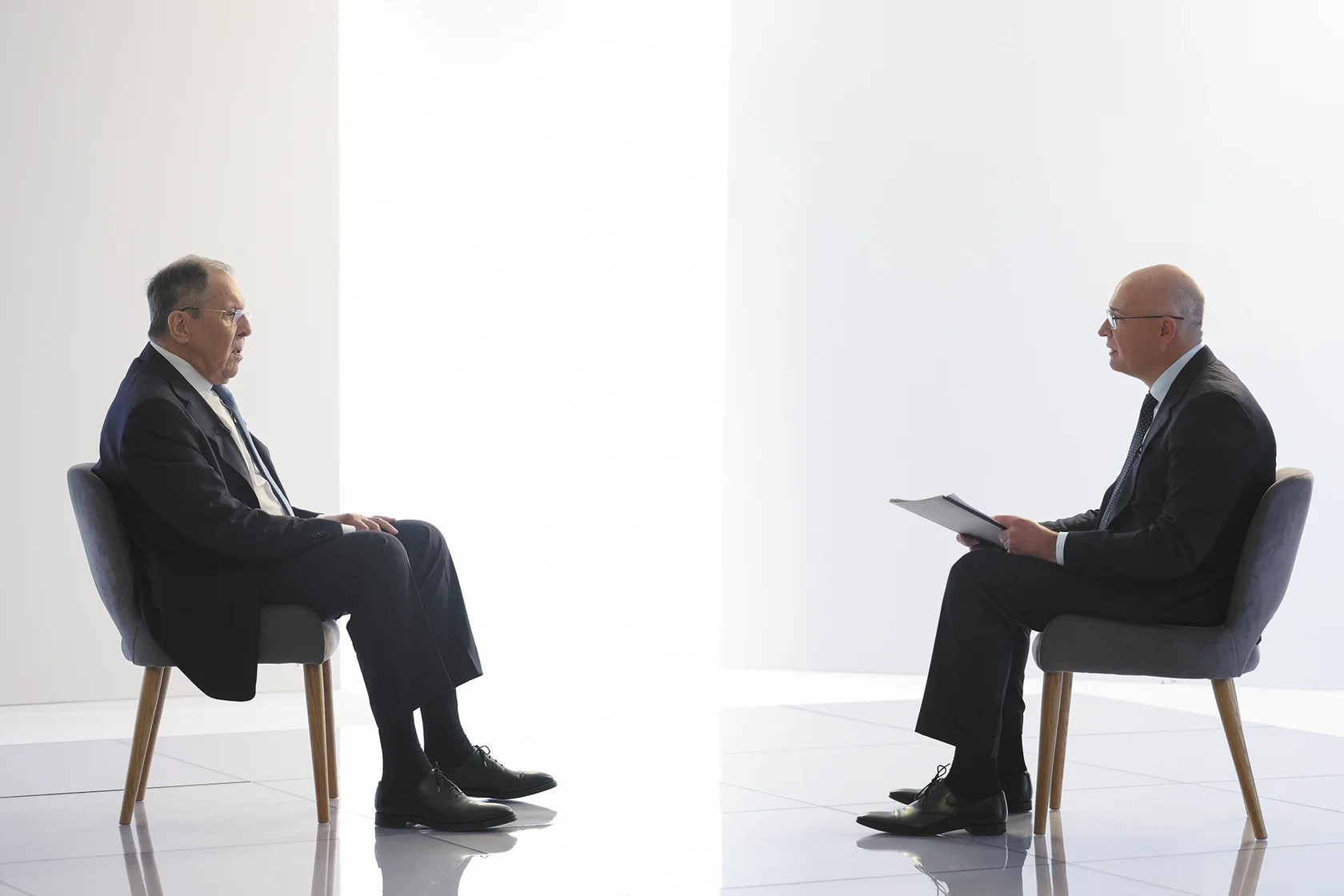
— Сергей Викторович, вы тот человек, с которым наших граждан уж точно не надо знакомить. Но я знаю, чем удивить. Вашим сингальским языком. Вот поздоровайтесь по-сингальски.
— (Говорит по-сингальски.)
— Начнем с Запада. Он просто сошел с ума. Никто не собирается следовать никаким старым, десятилетиями работавшим соглашениям. Конечно, все идет на слом. Мы это знаем и чувствуем. Нам в этой ситуации есть что предложить миру в качестве альтернативы?
— Во-первых, надо сначала отстоять свои законные интересы. Чтобы миру что‑то предлагать, мы должны победить. Мир с огромным вниманием, некоторые — с замиранием сердца смотрят на то, чем закончится эта война, навязанная нам Западом, в ответ на которую президент Российской Федерации В. В. Путин объявил о начале специальной военной операции. Это не то, что на этой планете нас окружают беспринципные люди, но это жизнь. Все хотят понять, перефразируя С. С. Бодрова, «в чем сила, брат?» и «где сила, брат?».
Вы абсолютно правы, когда говорите, что сейчас они даже ничего не пытаются скрывать, замаскировывать, загримировывать. Сначала они открыто объявили о «стратегическом поражении», которое нужно нанести России.
Потом, наблюдая за ситуацией на линии боевого соприкосновения, по сути, на фронте, они отошли от этой риторики.
Сейчас, когда В. А. Зеленский, постоянно отступая в Донбассе и на других направлениях фронта, перешел от безысходности к откровенно террористической деятельности, и они видят, как достигают цели многие его дальнобойные средства, — они стали пиарить эту фазу происходящего как «перелом». Как-то, что «украинским характером все‑таки можно победить Россию», которая, мол, «агрессор» и вслед за Украиной хотела завоевать всю Европу. Опять появился лозунг нанесения «стратегического поражения» России. Появился лозунг «деколонизации» России, под чем в очередной раз откровенно подразумевается «расчленение» нашей страны. Возрождение надежд, которые на этапе исчезновения СССР Запад тоже испытывал, глядя, как на Дальнем Востоке, на Урале, не говоря уже про Кавказ, появились сепаратистские движения. Они лелеяли надежду на то, что все это сейчас развалится и можно будет по кусочку «подбирать». По-моему, они уже даже прикидывали, кому что должно достаться.
— За шаг до этого. У нас «уральские франки» ходили от «Уральской республики».
— Да. Все было на грани.
То, что Б. Н. Ельцин нашел в себе мужество досрочно передать власть, и то, что он передал власть тому человеку, кто на тот момент единственный смог сохранить Россию, — это такой исторический поворот, который означает то, что Россия все‑таки «мечена» Богом. Когда уж совсем тяжело, нам помогают свыше.
Сейчас они опять заговорили о «стратегическом поражении», активно поддерживают наших релокантов, организующих в Европе всякие антироссийские сообщества, собирающих средства на продолжение какой‑то «подпольной борьбы» за раскол Российской Федерации. Они этого уже абсолютно не скрывают.
У нас центральные каналы показывают все, что Запад замышляет. Наверное, это важно видеть всем, чтобы понимать, что ситуация нешуточная. Президент России этого не скрывает. На нас ополчился весь «цивилизованный» мир, который так себя сам называет.
— До 2007 года, до Мюнхенской речи В. В. Путина, они нас «любили, душа в объятиях». Теперь‑то хотя бы все честнее.
— Они думали, что мы «в кармане».
Президент России В. В. Путин, когда пришел к власти, был абсолютно открыт к равноправному стратегическому партнерству с Западом. То, что сейчас наши бывшие союзники, а именно англосаксы, с разной степенью остервенелости (Лондон больше, США чуть поменьше) воюют против нас через Украину, накачивая ее самыми современными вооружениями, объявляя о том, что они будут производить специально для Украины новые смертоносные и высокотехнологичные противоракетные системы, — такого никогда не было.
Специальную военную операцию мы начали в условиях, когда общество было спокойно, комфортно, в целом удовлетворено своим жизненным уровнем. И то, что это тоже не устраивало Запад, — факт. Они не хотели, чтобы общество было спокойным, они хотели возбудить его против власти, готовили провокации. Они не могут честно конкурировать. Они во всем боятся честной конкуренции. Отсюда и санкции — чтобы удержать позиции, безвозвратно ускользающие после пятисотлетнего доминирования Запада.
Поэтому еще раз про состояние нашего общества. Это важно для меня как гражданина, как министра иностранных дел, проводящего внешнюю политику президента России, которая и должна отражать настроения в народе. Конечно, они хотят «соорудить» здесь смуту. Недавно В. В. Путин упоминал об этом. Мы ежедневно прогрессируем на линии фронта, не так быстро, как хотелось бы, но сберегая людей. Они восполняют свои провалы на той самой линии боевого соприкосновения, пытаясь террористическими актами подорвать уклад жизни, к которому привыкли люди. Уже в Москве и Санкт-Петербурге ощущаются беспилотные атаки, а в приграничных районах и областях Российской Федерации люди испытывают на себе все тяготы военного положения. Честно говоря, я очень горд за то, что народ воспринимает это правильно — так, как велела нам история и те, кто победил нацизм. Тем более что сейчас мы воюем с прямыми последователями и потомками тех нацистов. В том же составе. Канцлер ФРГ Мерц открыто говорит, что они опять будут главными в Европе. Если ты такой откровенный — будь готов.
— (Говорит по-сингальски.)
— Начнем с Запада. Он просто сошел с ума. Никто не собирается следовать никаким старым, десятилетиями работавшим соглашениям. Конечно, все идет на слом. Мы это знаем и чувствуем. Нам в этой ситуации есть что предложить миру в качестве альтернативы?
— Во-первых, надо сначала отстоять свои законные интересы. Чтобы миру что‑то предлагать, мы должны победить. Мир с огромным вниманием, некоторые — с замиранием сердца смотрят на то, чем закончится эта война, навязанная нам Западом, в ответ на которую президент Российской Федерации В. В. Путин объявил о начале специальной военной операции. Это не то, что на этой планете нас окружают беспринципные люди, но это жизнь. Все хотят понять, перефразируя С. С. Бодрова, «в чем сила, брат?» и «где сила, брат?».
Вы абсолютно правы, когда говорите, что сейчас они даже ничего не пытаются скрывать, замаскировывать, загримировывать. Сначала они открыто объявили о «стратегическом поражении», которое нужно нанести России.
Потом, наблюдая за ситуацией на линии боевого соприкосновения, по сути, на фронте, они отошли от этой риторики.
Сейчас, когда В. А. Зеленский, постоянно отступая в Донбассе и на других направлениях фронта, перешел от безысходности к откровенно террористической деятельности, и они видят, как достигают цели многие его дальнобойные средства, — они стали пиарить эту фазу происходящего как «перелом». Как-то, что «украинским характером все‑таки можно победить Россию», которая, мол, «агрессор» и вслед за Украиной хотела завоевать всю Европу. Опять появился лозунг нанесения «стратегического поражения» России. Появился лозунг «деколонизации» России, под чем в очередной раз откровенно подразумевается «расчленение» нашей страны. Возрождение надежд, которые на этапе исчезновения СССР Запад тоже испытывал, глядя, как на Дальнем Востоке, на Урале, не говоря уже про Кавказ, появились сепаратистские движения. Они лелеяли надежду на то, что все это сейчас развалится и можно будет по кусочку «подбирать». По-моему, они уже даже прикидывали, кому что должно достаться.
— За шаг до этого. У нас «уральские франки» ходили от «Уральской республики».
— Да. Все было на грани.
То, что Б. Н. Ельцин нашел в себе мужество досрочно передать власть, и то, что он передал власть тому человеку, кто на тот момент единственный смог сохранить Россию, — это такой исторический поворот, который означает то, что Россия все‑таки «мечена» Богом. Когда уж совсем тяжело, нам помогают свыше.
Сейчас они опять заговорили о «стратегическом поражении», активно поддерживают наших релокантов, организующих в Европе всякие антироссийские сообщества, собирающих средства на продолжение какой‑то «подпольной борьбы» за раскол Российской Федерации. Они этого уже абсолютно не скрывают.
У нас центральные каналы показывают все, что Запад замышляет. Наверное, это важно видеть всем, чтобы понимать, что ситуация нешуточная. Президент России этого не скрывает. На нас ополчился весь «цивилизованный» мир, который так себя сам называет.
— До 2007 года, до Мюнхенской речи В. В. Путина, они нас «любили, душа в объятиях». Теперь‑то хотя бы все честнее.
— Они думали, что мы «в кармане».
Президент России В. В. Путин, когда пришел к власти, был абсолютно открыт к равноправному стратегическому партнерству с Западом. То, что сейчас наши бывшие союзники, а именно англосаксы, с разной степенью остервенелости (Лондон больше, США чуть поменьше) воюют против нас через Украину, накачивая ее самыми современными вооружениями, объявляя о том, что они будут производить специально для Украины новые смертоносные и высокотехнологичные противоракетные системы, — такого никогда не было.
Специальную военную операцию мы начали в условиях, когда общество было спокойно, комфортно, в целом удовлетворено своим жизненным уровнем. И то, что это тоже не устраивало Запад, — факт. Они не хотели, чтобы общество было спокойным, они хотели возбудить его против власти, готовили провокации. Они не могут честно конкурировать. Они во всем боятся честной конкуренции. Отсюда и санкции — чтобы удержать позиции, безвозвратно ускользающие после пятисотлетнего доминирования Запада.
Поэтому еще раз про состояние нашего общества. Это важно для меня как гражданина, как министра иностранных дел, проводящего внешнюю политику президента России, которая и должна отражать настроения в народе. Конечно, они хотят «соорудить» здесь смуту. Недавно В. В. Путин упоминал об этом. Мы ежедневно прогрессируем на линии фронта, не так быстро, как хотелось бы, но сберегая людей. Они восполняют свои провалы на той самой линии боевого соприкосновения, пытаясь террористическими актами подорвать уклад жизни, к которому привыкли люди. Уже в Москве и Санкт-Петербурге ощущаются беспилотные атаки, а в приграничных районах и областях Российской Федерации люди испытывают на себе все тяготы военного положения. Честно говоря, я очень горд за то, что народ воспринимает это правильно — так, как велела нам история и те, кто победил нацизм. Тем более что сейчас мы воюем с прямыми последователями и потомками тех нацистов. В том же составе. Канцлер ФРГ Мерц открыто говорит, что они опять будут главными в Европе. Если ты такой откровенный — будь готов.
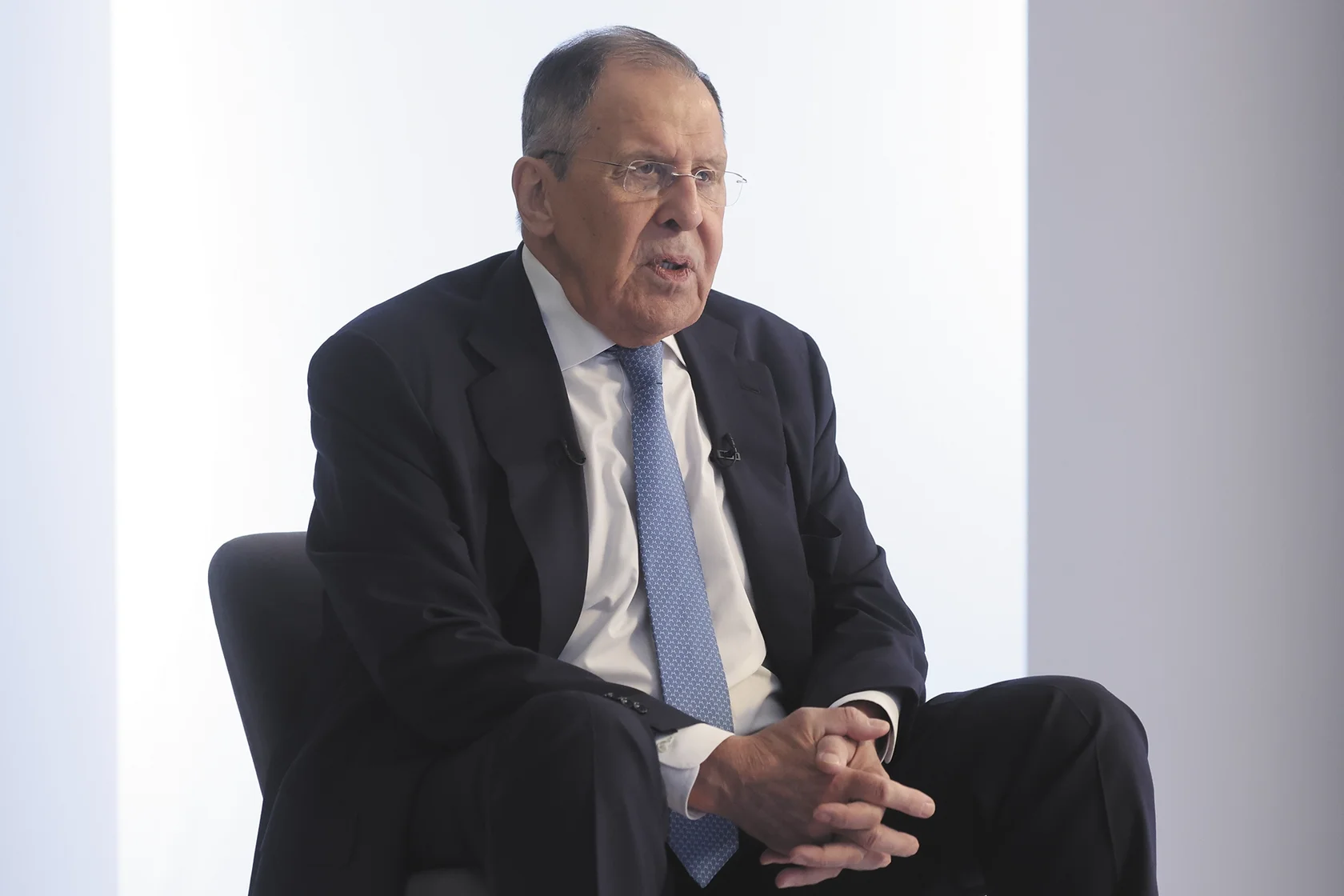
О русском национальном качестве
— Вы сказали, что прежде чем предложить миру альтернативный миропорядок, мы должны обеспечить наши национальные интересы, и для этого надо победить. В чем наши национальные интересы на внешней арене?
— В том, чтобы мы были самостоятельной державой, самостоятельной цивилизацией. Чтобы наши границы были надежно обеспечены. Чтобы никто не пытался даже думать о том, чтобы нам советовать, как устраивать свою жизнь внутри России. И чтобы все народы Российской Федерации продолжали иметь гарантированные Конституцией права: на образование, на сохранение своей культуры, традиций и религиозных убеждений.
В таком качестве Россия будет заинтересована на равных сотрудничать с другими крупными
центрами, которые формируются, — это Китай и Индия. Эти крупные игроки, конечно же, вместе с нами будут отстаивать справедливость в надежде на то, что Запад, и в частности Европа, тоже когда‑то придет в себя и будет готов на равных, по-честному встраиваться в новые системы отношений. Пока он к этому не готов. США тоже абсолютно не готовы.
И пока это ожидание затягивается, новые центры силы формируют свои сетевые структуры. Одна из них — БРИКС, куда стягиваются ведущие экономики мирового большинства и решают вопросы не так, как это делается в том же НАТО, где командует Америка, а все остальные подобострастно пытаются каким‑то образом ублажить гегемона. И это, конечно, не Евросоюз, где брюссельская бюрократия узурпировала права национальных правительств.
Ни в БРИКС, ни в ШОС, ни в ЕАЭС, ни в СНГ, ни в ОДКБ никто не может привести ни единого примера, когда Россия, Китай — если говорить о ШОС и БРИКС — или кто‑либо другой стали бы требовать чего‑то. Всегда откровенные, взаимоуважительные переговоры с прицелом на компромисс.
— 35 тыс. санкций. Наверное, вообще исторический рекорд за существование человечества и государства. Как нам удается выстоять? Благодаря чему?
— Конечно, прежде всего благодаря нашим предкам, которые создали такую страну. Богатейшую, самую большую страну в мире, выходящую к морям, океанам, что позволяет развивать торговлю, обеспечивать нашу безопасность, в том числе с подключением Военно-морского флота.
Безусловно, индустриализация, которая все‑таки началась еще в Российской империи. Сейчас об этом много говорят. И железные дороги, связавшие всю страну, закладывались тогда, и многие основы черной металлургии. Индустриализация уже во времена Советского Союза, когда за кратчайшие сроки, за какое‑то десятилетие — 15 лет до начала Великой Отечественной войны — были достигнуты колоссальные успехи. И это во многом помогло не допустить катастрофы.
Но все‑таки главным нашим национальным качеством является то, чего на Западе нет. В нашей цивилизации — уважение к тем, кто ее создавал, строил города, побеждал врагов.
Были у нас времена и А. М. Горчакова, который, после того как мы по причинам, о которых сейчас нет смысла говорить, потерпели поражение в Крымской войне, сказал: «Россия не сердится, Россия сосредотачивается». Сейчас нам тоже не нужно сердиться. Сердиться, тратить нервы — это самое плохое. Надо сосредоточиться. А вот здоровая злость вполне уместна. Не сердиться, а обрести здоровую злость.
Злость в том числе с точки зрения необходимости ускориться во всем, на направлении технологического прорыва — об этом сейчас много говорят. И «по-злому» решить, что мы обязаны это сделать. На себя разозлиться — «хочу быстрее всего достичь». И такая же здоровая злость нам требуется на внешнем фронте. Не впадать ни в какие истерики, а просто внутри себя сделать вывод: «Только проверяй!» Доверять — это потом посмотрим, но сначала — проверяй, а самое главное — гни свою линию.
Сейчас опять наши турецкие соседи говорят, что они готовы вновь помогать по Украине, но одновременно тут же подписываются под документами НАТО, в которых сказано: надо восстановить территориальную целостность киевского режима. Есть другие предложения: та же нынешняя американская администрация вновь говорит, что они только с Ираном «разберутся» и будут вновь нам помогать. У нас есть армия и флот, а теперь еще Воздушно-космические силы — впрочем, они существуют достаточно давно — и войска беспилотных систем.
И люди у нас есть. Говорят, мол, давайте где‑то там «порешаем», пусть останется все как есть — замрем на линии соприкосновения, а потом подумаем, как найти компромисс. Во-первых, у нас есть ощущение исторической непрерывности, нашей исторической идентичности и национальной, многонациональной гордости.
Запад сейчас нам говорит, что они еще подумают, когда стоит возобновить переговоры с нами, но это будут переговоры, где за одним столом бы сидела Европа, Америка, Зеленский, президент России В. В. Путин. И перед этим необходимо, по их мнению, объявить перемирие, прекращение огня. После этого они, западники, введут многонациональные силы во главе с Францией и Англией и потом, значит, сядут поговорить. Что это означает? Это ультиматум. Замрем на линии соприкосновения — нацистский режим сохранится. Никакие территории, где были референдумы, — они признавать не будут.
Но качество нашего народа, оно все‑таки уникально тем, что, например, помните, как у В. В. Маяковского в стихотворении «Бродвей» была такая строка: «У советских собственная гордость»? Это не потому, что она появилась у советских, а потому, что у русских она всегда была. Эта гордость остается.
— В том, чтобы мы были самостоятельной державой, самостоятельной цивилизацией. Чтобы наши границы были надежно обеспечены. Чтобы никто не пытался даже думать о том, чтобы нам советовать, как устраивать свою жизнь внутри России. И чтобы все народы Российской Федерации продолжали иметь гарантированные Конституцией права: на образование, на сохранение своей культуры, традиций и религиозных убеждений.
В таком качестве Россия будет заинтересована на равных сотрудничать с другими крупными
центрами, которые формируются, — это Китай и Индия. Эти крупные игроки, конечно же, вместе с нами будут отстаивать справедливость в надежде на то, что Запад, и в частности Европа, тоже когда‑то придет в себя и будет готов на равных, по-честному встраиваться в новые системы отношений. Пока он к этому не готов. США тоже абсолютно не готовы.
И пока это ожидание затягивается, новые центры силы формируют свои сетевые структуры. Одна из них — БРИКС, куда стягиваются ведущие экономики мирового большинства и решают вопросы не так, как это делается в том же НАТО, где командует Америка, а все остальные подобострастно пытаются каким‑то образом ублажить гегемона. И это, конечно, не Евросоюз, где брюссельская бюрократия узурпировала права национальных правительств.
Ни в БРИКС, ни в ШОС, ни в ЕАЭС, ни в СНГ, ни в ОДКБ никто не может привести ни единого примера, когда Россия, Китай — если говорить о ШОС и БРИКС — или кто‑либо другой стали бы требовать чего‑то. Всегда откровенные, взаимоуважительные переговоры с прицелом на компромисс.
— 35 тыс. санкций. Наверное, вообще исторический рекорд за существование человечества и государства. Как нам удается выстоять? Благодаря чему?
— Конечно, прежде всего благодаря нашим предкам, которые создали такую страну. Богатейшую, самую большую страну в мире, выходящую к морям, океанам, что позволяет развивать торговлю, обеспечивать нашу безопасность, в том числе с подключением Военно-морского флота.
Безусловно, индустриализация, которая все‑таки началась еще в Российской империи. Сейчас об этом много говорят. И железные дороги, связавшие всю страну, закладывались тогда, и многие основы черной металлургии. Индустриализация уже во времена Советского Союза, когда за кратчайшие сроки, за какое‑то десятилетие — 15 лет до начала Великой Отечественной войны — были достигнуты колоссальные успехи. И это во многом помогло не допустить катастрофы.
Но все‑таки главным нашим национальным качеством является то, чего на Западе нет. В нашей цивилизации — уважение к тем, кто ее создавал, строил города, побеждал врагов.
Были у нас времена и А. М. Горчакова, который, после того как мы по причинам, о которых сейчас нет смысла говорить, потерпели поражение в Крымской войне, сказал: «Россия не сердится, Россия сосредотачивается». Сейчас нам тоже не нужно сердиться. Сердиться, тратить нервы — это самое плохое. Надо сосредоточиться. А вот здоровая злость вполне уместна. Не сердиться, а обрести здоровую злость.
Злость в том числе с точки зрения необходимости ускориться во всем, на направлении технологического прорыва — об этом сейчас много говорят. И «по-злому» решить, что мы обязаны это сделать. На себя разозлиться — «хочу быстрее всего достичь». И такая же здоровая злость нам требуется на внешнем фронте. Не впадать ни в какие истерики, а просто внутри себя сделать вывод: «Только проверяй!» Доверять — это потом посмотрим, но сначала — проверяй, а самое главное — гни свою линию.
Сейчас опять наши турецкие соседи говорят, что они готовы вновь помогать по Украине, но одновременно тут же подписываются под документами НАТО, в которых сказано: надо восстановить территориальную целостность киевского режима. Есть другие предложения: та же нынешняя американская администрация вновь говорит, что они только с Ираном «разберутся» и будут вновь нам помогать. У нас есть армия и флот, а теперь еще Воздушно-космические силы — впрочем, они существуют достаточно давно — и войска беспилотных систем.
И люди у нас есть. Говорят, мол, давайте где‑то там «порешаем», пусть останется все как есть — замрем на линии соприкосновения, а потом подумаем, как найти компромисс. Во-первых, у нас есть ощущение исторической непрерывности, нашей исторической идентичности и национальной, многонациональной гордости.
Запад сейчас нам говорит, что они еще подумают, когда стоит возобновить переговоры с нами, но это будут переговоры, где за одним столом бы сидела Европа, Америка, Зеленский, президент России В. В. Путин. И перед этим необходимо, по их мнению, объявить перемирие, прекращение огня. После этого они, западники, введут многонациональные силы во главе с Францией и Англией и потом, значит, сядут поговорить. Что это означает? Это ультиматум. Замрем на линии соприкосновения — нацистский режим сохранится. Никакие территории, где были референдумы, — они признавать не будут.
Но качество нашего народа, оно все‑таки уникально тем, что, например, помните, как у В. В. Маяковского в стихотворении «Бродвей» была такая строка: «У советских собственная гордость»? Это не потому, что она появилась у советских, а потому, что у русских она всегда была. Эта гордость остается.
О детстве, родне и увлечениях
— Каким вы были во дворе? Вы про здоровую злость сейчас сказали. Вы били или «включали» дипломатию? У нас есть всем знакомый принцип: «Если драка неизбежна, бей первым». Мы знаем, чей принцип. А у вас какой?
— Я рос, по сути дела, в деревне, в городе Ногинске, бывшем Богородске. Сейчас активно работаю с Московской областью, с моим другом, губернатором Московской области А. Ю. Воробьевым за восстановление названия Богородск. Там уже есть отдельные топонимические изменения, но вот сам город пока еще остается Ногинском. И та часть, в которой я жил, — это была чистая деревня. От железнодорожной станции налево — город, а направо — два ряда деревянных деревенских домов со всеми удобствами так, как они оборудованы в деревнях. И мы, что греха таить, будучи мальчишками, когда приходили поезда, бегали там, где оставался товарный поезд, и смотрели, что привезли в вагонах. Если были арбузы, то мы хулиганили.
— Много знаем о вас. Но никогда не спрашивали о ваших бабушках и дедушках. Кем они были? Чьи гены в вашей крови, способности, таланты?
— Мама с папой развелись, когда мне было совсем немного месяцев. Они оба окончили Институт внешней торговли, который сейчас является частью МГИМО. Собственно, поэтому мама и лоббировала мою попытку поступить в МГИМО, и делала это небезуспешно. После распределения мои родители поехали работать на нашу таможню в Брест.
Так распорядилась судьба, что потом я стал жить только с мамой. Бабушка у меня была в Ногинске. Она там была старшей медсестрой. Дедушка у меня был начальником железнодорожной станции Ногинска. Он всю войну отвечал за отправку эшелонов на фронт. На фронте были два его брата, и оба вернулись.
Дедушка рано умер, будучи совсем молодым. Ему было 67 лет. А бабушка пожила подольше. Она потом уже к нам перебралась в Москву. И я их очень любил. Они были мне по-настоящему друзьями. Выгораживали меня, когда чувствовали, что я совершил нечто, что маме может не понравиться. Так, как это обычно бывает.
Корни играют незримую роль. Ты не думаешь о том, что у тебя столько поколений. Не в этом дело. Дело в том, что ты живешь уже за них. Так же, как мы сейчас воюем за тех, кто победил немцев и всю Европу вместе с ними.
— Вы занимаетесь рафтингом. Это правда? До сих пор занимаетесь?
— Наверное, где‑то с 1984—1985 года наша компания решила «по-дикому» отдыхать. Один из наших друзей — он учился годом старше в МГИМО — был родом из Уфы. Он пригласил нас вместе с еще одним нашим товарищем съездить в Уфу на недельку на лето, походить на речку, половить рыбу. Съездили на речку, там и озера тоже есть. Взяли лодочку, покатались, рыбу половили на реке Белая. Она вообще не течет. Ровная, спокойная. И решили на следующий год приехать, собрали команду в пять человек. Выбрали речку Бия, уже на Алтае. Река вытекает из Телецкого озера. Но прежде, чем туда поехать, узнали, что в Телецкое озеро впадает несколько рек, в том числе очень бурная река Чулышман.
Мы стали прорабатывать варианты. В итоге согласовали. От Телецкого озера поднялись на двадцать километров по очень сложной реке. Нас «сбросило» в это озеро. Мы все чудом остались на плотах, не перевернулись. Нас протащили на катере по Телецкому озеру, а потом мы сплавлялись по реке Бия. После этого мы впервые попали на Катунь. Исколесили ее сверху донизу.
Сначала среднее течение. Там, где проводится Кубок мира по рафтингу. Пороги где‑то 4−4,5, есть элементы пятой категории. Один раз сплавлялись от самой горы Белухи. Очень интересный маршрут. Надо первые сутки держаться по плато. Все еле движется. А потом она резко падает вниз. И на этом участке пять фантастически тяжелых порогов. Адреналин вырабатывается мгновенно.
— Переворачивались?
— Мой плот нет. Мы плавали на двух плотах. Коллеги пару раз переворачивались. Но вытаскивали.
На Катуни мы провели почти 20 лет. В смысле не зим, а лет. У нас там много друзей. Фантастический край.
— Вот вы к вечеру причаливаете к берегу, достаете плот, разводите костер, разбиваете палатку. А потом гитара и песня?
— Гитара и песня, да.
— Сколько примерно песен на гитаре вы исполняете? Не считали, наверное?
— Очень люблю В. С. Высоцкого и Б. Ш. Окуджаву.
— И играете, и поете?
— Да.
— Когда‑нибудь услышим? Надо обязательно.
— Воспользуюсь вашими возможностями в нашем медийном пространстве. Без каких‑либо гонораров, если это кому‑то интересно. Принимаю ваши возможности.
— Интересно. Очень хочется услышать. Нам все интересно. Потому что журналисты любят не только подглядывать за вами, но и подслушивать. Особенно когда вы думаете, что микрофон выключен. Если бы вы зарегистрировали на себя товарный знак «дебилы, …» с одним словом, то, наверное, стали бы богатым человеком. Потому что эту майку носили практически все мои коллеги, и я тоже. Она продавалась тиражами в тысячи экземпляров. Это ваш характер? Или выскакивает, просто исходя из какой‑то ситуации?
— Выскакивает. Все мы живые люди.
— Но ваши коллеги говорят, что вы на работе совсем не допускаете таких слов.
— Лжецы. Я им припомню. Это, конечно, лицемерное заявление. Когда что‑то вдруг тебя не расстраивает, а неожиданно как‑то и неправильно кто‑то что‑то делает, бывает горячее словцо. Насчет торговой марки никогда об этом не задумывался.
Кстати, после Аляски, где я появился в свитере «СССР», звонили моим помощникам, благодарили. Говорили, что готовы навязать этих свитеров для моих друзей.
Понимаете, когда это влечет людей… Сейчас появилось много примеров. Они никогда не пропадали. Какая‑то пошла особая волна ностальгии по СССР. Советский Союз — это, в общем, все о том, с чего мы начинали. Народ не просто хочет хорошей, сытой жизни. Это чувство причастности к тому, что твои предки делали в тяжелейших условиях. Поднимали эту страну. Вытаскивали ее из нищеты. Создавали условия для того, чтобы сосуществовали сотни языков.
А люди, когда надевают эти свитера, они ощущают, что… Даже те, кто не жил в Советском Союзе, им рассказывали родители, дедушки, бабушки. Поэтому мне кажется, как сказал В. В. Путин, что тот, кто не жалеет о Советском Союзе — у него нет сердца, а тот, кто хочет его возвратить — у него нет головы. Насчет сердца все это сохраняется. А про голову, слава богу, в нынешней ситуации в России есть голова, и она трезвая.
— Я рос, по сути дела, в деревне, в городе Ногинске, бывшем Богородске. Сейчас активно работаю с Московской областью, с моим другом, губернатором Московской области А. Ю. Воробьевым за восстановление названия Богородск. Там уже есть отдельные топонимические изменения, но вот сам город пока еще остается Ногинском. И та часть, в которой я жил, — это была чистая деревня. От железнодорожной станции налево — город, а направо — два ряда деревянных деревенских домов со всеми удобствами так, как они оборудованы в деревнях. И мы, что греха таить, будучи мальчишками, когда приходили поезда, бегали там, где оставался товарный поезд, и смотрели, что привезли в вагонах. Если были арбузы, то мы хулиганили.
— Много знаем о вас. Но никогда не спрашивали о ваших бабушках и дедушках. Кем они были? Чьи гены в вашей крови, способности, таланты?
— Мама с папой развелись, когда мне было совсем немного месяцев. Они оба окончили Институт внешней торговли, который сейчас является частью МГИМО. Собственно, поэтому мама и лоббировала мою попытку поступить в МГИМО, и делала это небезуспешно. После распределения мои родители поехали работать на нашу таможню в Брест.
Так распорядилась судьба, что потом я стал жить только с мамой. Бабушка у меня была в Ногинске. Она там была старшей медсестрой. Дедушка у меня был начальником железнодорожной станции Ногинска. Он всю войну отвечал за отправку эшелонов на фронт. На фронте были два его брата, и оба вернулись.
Дедушка рано умер, будучи совсем молодым. Ему было 67 лет. А бабушка пожила подольше. Она потом уже к нам перебралась в Москву. И я их очень любил. Они были мне по-настоящему друзьями. Выгораживали меня, когда чувствовали, что я совершил нечто, что маме может не понравиться. Так, как это обычно бывает.
Корни играют незримую роль. Ты не думаешь о том, что у тебя столько поколений. Не в этом дело. Дело в том, что ты живешь уже за них. Так же, как мы сейчас воюем за тех, кто победил немцев и всю Европу вместе с ними.
— Вы занимаетесь рафтингом. Это правда? До сих пор занимаетесь?
— Наверное, где‑то с 1984—1985 года наша компания решила «по-дикому» отдыхать. Один из наших друзей — он учился годом старше в МГИМО — был родом из Уфы. Он пригласил нас вместе с еще одним нашим товарищем съездить в Уфу на недельку на лето, походить на речку, половить рыбу. Съездили на речку, там и озера тоже есть. Взяли лодочку, покатались, рыбу половили на реке Белая. Она вообще не течет. Ровная, спокойная. И решили на следующий год приехать, собрали команду в пять человек. Выбрали речку Бия, уже на Алтае. Река вытекает из Телецкого озера. Но прежде, чем туда поехать, узнали, что в Телецкое озеро впадает несколько рек, в том числе очень бурная река Чулышман.
Мы стали прорабатывать варианты. В итоге согласовали. От Телецкого озера поднялись на двадцать километров по очень сложной реке. Нас «сбросило» в это озеро. Мы все чудом остались на плотах, не перевернулись. Нас протащили на катере по Телецкому озеру, а потом мы сплавлялись по реке Бия. После этого мы впервые попали на Катунь. Исколесили ее сверху донизу.
Сначала среднее течение. Там, где проводится Кубок мира по рафтингу. Пороги где‑то 4−4,5, есть элементы пятой категории. Один раз сплавлялись от самой горы Белухи. Очень интересный маршрут. Надо первые сутки держаться по плато. Все еле движется. А потом она резко падает вниз. И на этом участке пять фантастически тяжелых порогов. Адреналин вырабатывается мгновенно.
— Переворачивались?
— Мой плот нет. Мы плавали на двух плотах. Коллеги пару раз переворачивались. Но вытаскивали.
На Катуни мы провели почти 20 лет. В смысле не зим, а лет. У нас там много друзей. Фантастический край.
— Вот вы к вечеру причаливаете к берегу, достаете плот, разводите костер, разбиваете палатку. А потом гитара и песня?
— Гитара и песня, да.
— Сколько примерно песен на гитаре вы исполняете? Не считали, наверное?
— Очень люблю В. С. Высоцкого и Б. Ш. Окуджаву.
— И играете, и поете?
— Да.
— Когда‑нибудь услышим? Надо обязательно.
— Воспользуюсь вашими возможностями в нашем медийном пространстве. Без каких‑либо гонораров, если это кому‑то интересно. Принимаю ваши возможности.
— Интересно. Очень хочется услышать. Нам все интересно. Потому что журналисты любят не только подглядывать за вами, но и подслушивать. Особенно когда вы думаете, что микрофон выключен. Если бы вы зарегистрировали на себя товарный знак «дебилы, …» с одним словом, то, наверное, стали бы богатым человеком. Потому что эту майку носили практически все мои коллеги, и я тоже. Она продавалась тиражами в тысячи экземпляров. Это ваш характер? Или выскакивает, просто исходя из какой‑то ситуации?
— Выскакивает. Все мы живые люди.
— Но ваши коллеги говорят, что вы на работе совсем не допускаете таких слов.
— Лжецы. Я им припомню. Это, конечно, лицемерное заявление. Когда что‑то вдруг тебя не расстраивает, а неожиданно как‑то и неправильно кто‑то что‑то делает, бывает горячее словцо. Насчет торговой марки никогда об этом не задумывался.
Кстати, после Аляски, где я появился в свитере «СССР», звонили моим помощникам, благодарили. Говорили, что готовы навязать этих свитеров для моих друзей.
Понимаете, когда это влечет людей… Сейчас появилось много примеров. Они никогда не пропадали. Какая‑то пошла особая волна ностальгии по СССР. Советский Союз — это, в общем, все о том, с чего мы начинали. Народ не просто хочет хорошей, сытой жизни. Это чувство причастности к тому, что твои предки делали в тяжелейших условиях. Поднимали эту страну. Вытаскивали ее из нищеты. Создавали условия для того, чтобы сосуществовали сотни языков.
А люди, когда надевают эти свитера, они ощущают, что… Даже те, кто не жил в Советском Союзе, им рассказывали родители, дедушки, бабушки. Поэтому мне кажется, как сказал В. В. Путин, что тот, кто не жалеет о Советском Союзе — у него нет сердца, а тот, кто хочет его возвратить — у него нет головы. Насчет сердца все это сохраняется. А про голову, слава богу, в нынешней ситуации в России есть голова, и она трезвая.
О самом главном
— Вы уже упомянули о том, что наша страна, Родина, Богом поцелованная, Богом хранимая. А сами вы верующий человек?
— Верующий. Меня бабушка крестила тайно от мамы. Мама была коммунистом. Она сама пошла креститься в уже совсем зрелом возрасте, после того как состоялась ситуация с распадом Советского Союза.
Бабушка носила меня крестить в Ногинске. На берегу Москвы-реки до сих пор стоит храм. Дай Бог, чтобы он продолжал там действовать. У меня крестик тот сохранился, который мне тогда надели. Хорошее было время.
— Случалось в вашей жизни что‑то такое, что ничем, кроме чуда, кроме Бога, нельзя объяснить?
— Наверное, случалось. Некоторые истории я бы не хотел вспоминать.
Бывало. Мы как‑то сплавлялись по Катуни. Сделали остановку, взяли лошадей, поехали в горы. Я занимался конным спортом еще в институте. У меня были какие‑то навыки, а у ребят не у всех. Вдруг кони понесли, когда мы уже вниз спускались. Справа гора, слева по-настоящему приличная пропасть. Одного моего товарища понесло. Он практически мог меня сбить. Каким‑то чудом удалось остановиться.
Если брать политические драмы, то, наверное, во время путча. Опять возвращаюсь к тому, с чего мы начали. Тогда думали: «Хорошо, Россия травоядная, послушная, но надо, чтобы она просто следовала всему, что мы будем обозначать». Когда выяснилось, что Россия непослушная, что у нее есть собственная гордость, но это стало проявляться еще до Мюнхенской речи, о которой вы вспомнили, когда В. В. Путин просто предельно откровенно, по-честному все изложил в контексте дискуссии, которая вся была пронизана по большому счету лицемерием. До этого тоже были моменты, но мы не теряли надежду на то, что Запад одумается, что все это просто временные какие‑то рецидивы, которые он должен в себе подавить.
Вот Прибалтика. Когда в 2004 году я только занял министерский пост, они стали втягивать Прибалтику в очередную волну расширения НАТО. Президент России спросил у них, зачем они это делают, мы же договаривались. Нам ответили, что, дескать, вы же понимаете, у них осталось от периода пребывания в составе Советского Союза такое ощущение, что они были оккупированы, подневольны, и у них этот страх по-прежнему остается, а мы их в НАТО и в Евросоюз возьмем, и они успокоятся.
Ну и что, успокоились? Они сейчас главные «боеголовки», которых натравливают на нас, зная их такой «горячий характер», этих эстонских парней. Литва с Латвией сейчас заявили, что они отменяют запрет на размещение ядерного оружия на своей территории.
Так что полагаться нужно только на себя, как наш президент неоднократно подчеркивал. Есть тяжелые последствия того, что сейчас происходит. Но еще раз хочу сказать: мы завершаем дело наших дедов и прадедов, которые уничтожили нацизм, но наши бывшие союзники этот нацизм спасли. Известно про судьбу генералов вермахта, которые на Западе обрели и дом, и кров. И сейчас — никто никогда не мог подумать, что это произойдет, — нацизм возрождается уже в открытую. Никто даже не скрывает. Поэтому у нас нет другого варианта, если мы хотим остаться нашей русской цивилизацией.
— Заключительный вопрос. Что вы вкладываете в слово «Родина», «Россия», «жизнь»? Что самое главное для вас?
— Россия — это жизнь, а жизнь — это Россия.
— Верующий. Меня бабушка крестила тайно от мамы. Мама была коммунистом. Она сама пошла креститься в уже совсем зрелом возрасте, после того как состоялась ситуация с распадом Советского Союза.
Бабушка носила меня крестить в Ногинске. На берегу Москвы-реки до сих пор стоит храм. Дай Бог, чтобы он продолжал там действовать. У меня крестик тот сохранился, который мне тогда надели. Хорошее было время.
— Случалось в вашей жизни что‑то такое, что ничем, кроме чуда, кроме Бога, нельзя объяснить?
— Наверное, случалось. Некоторые истории я бы не хотел вспоминать.
Бывало. Мы как‑то сплавлялись по Катуни. Сделали остановку, взяли лошадей, поехали в горы. Я занимался конным спортом еще в институте. У меня были какие‑то навыки, а у ребят не у всех. Вдруг кони понесли, когда мы уже вниз спускались. Справа гора, слева по-настоящему приличная пропасть. Одного моего товарища понесло. Он практически мог меня сбить. Каким‑то чудом удалось остановиться.
Если брать политические драмы, то, наверное, во время путча. Опять возвращаюсь к тому, с чего мы начали. Тогда думали: «Хорошо, Россия травоядная, послушная, но надо, чтобы она просто следовала всему, что мы будем обозначать». Когда выяснилось, что Россия непослушная, что у нее есть собственная гордость, но это стало проявляться еще до Мюнхенской речи, о которой вы вспомнили, когда В. В. Путин просто предельно откровенно, по-честному все изложил в контексте дискуссии, которая вся была пронизана по большому счету лицемерием. До этого тоже были моменты, но мы не теряли надежду на то, что Запад одумается, что все это просто временные какие‑то рецидивы, которые он должен в себе подавить.
Вот Прибалтика. Когда в 2004 году я только занял министерский пост, они стали втягивать Прибалтику в очередную волну расширения НАТО. Президент России спросил у них, зачем они это делают, мы же договаривались. Нам ответили, что, дескать, вы же понимаете, у них осталось от периода пребывания в составе Советского Союза такое ощущение, что они были оккупированы, подневольны, и у них этот страх по-прежнему остается, а мы их в НАТО и в Евросоюз возьмем, и они успокоятся.
Ну и что, успокоились? Они сейчас главные «боеголовки», которых натравливают на нас, зная их такой «горячий характер», этих эстонских парней. Литва с Латвией сейчас заявили, что они отменяют запрет на размещение ядерного оружия на своей территории.
Так что полагаться нужно только на себя, как наш президент неоднократно подчеркивал. Есть тяжелые последствия того, что сейчас происходит. Но еще раз хочу сказать: мы завершаем дело наших дедов и прадедов, которые уничтожили нацизм, но наши бывшие союзники этот нацизм спасли. Известно про судьбу генералов вермахта, которые на Западе обрели и дом, и кров. И сейчас — никто никогда не мог подумать, что это произойдет, — нацизм возрождается уже в открытую. Никто даже не скрывает. Поэтому у нас нет другого варианта, если мы хотим остаться нашей русской цивилизацией.
— Заключительный вопрос. Что вы вкладываете в слово «Родина», «Россия», «жизнь»? Что самое главное для вас?
— Россия — это жизнь, а жизнь — это Россия.