The Contribution of Palekh Painting to Russian Art and Cultural Identity (Including Its International Promotion)
Palekh painting has made a significant contribution to Russian art and to the country’s cultural identity, and has earned international recognition. This craft combines centuries-old icon-painting traditions with new artistic forms and technologies, which has made it one of the defining symbols of Russian decorative and applied arts.
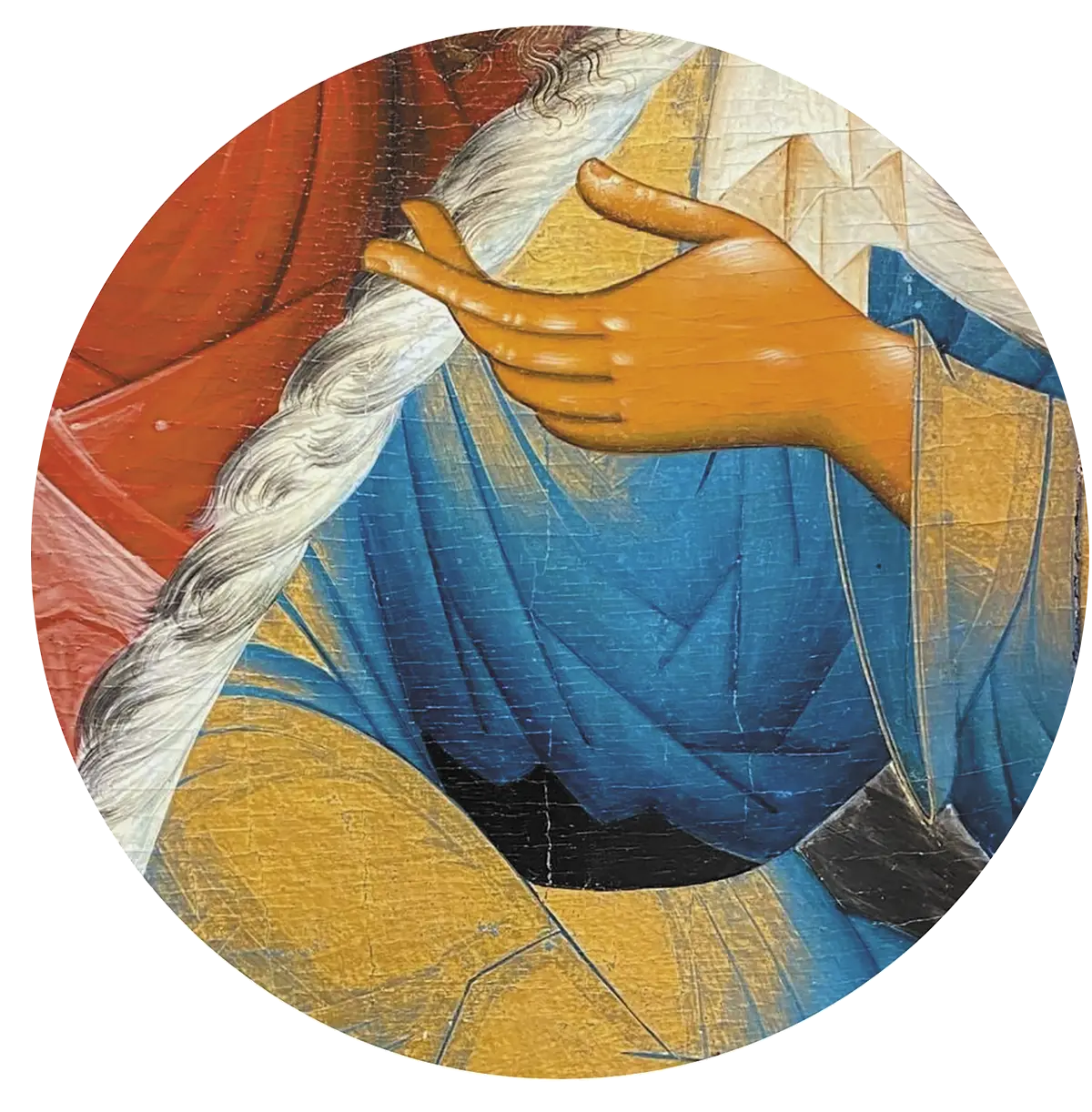
The Palekh school grew out of the icon-painting tradition that had existed in the village since the seventeenth century. After the Revolution of 1917 the craftsmen adapted their skills to the new conditions, preserving the technique of tempera painting (distemper applied in thin, translucent layers), linear composition, and the use of gold. This made it possible to retain authentic technical and stylistic methods.
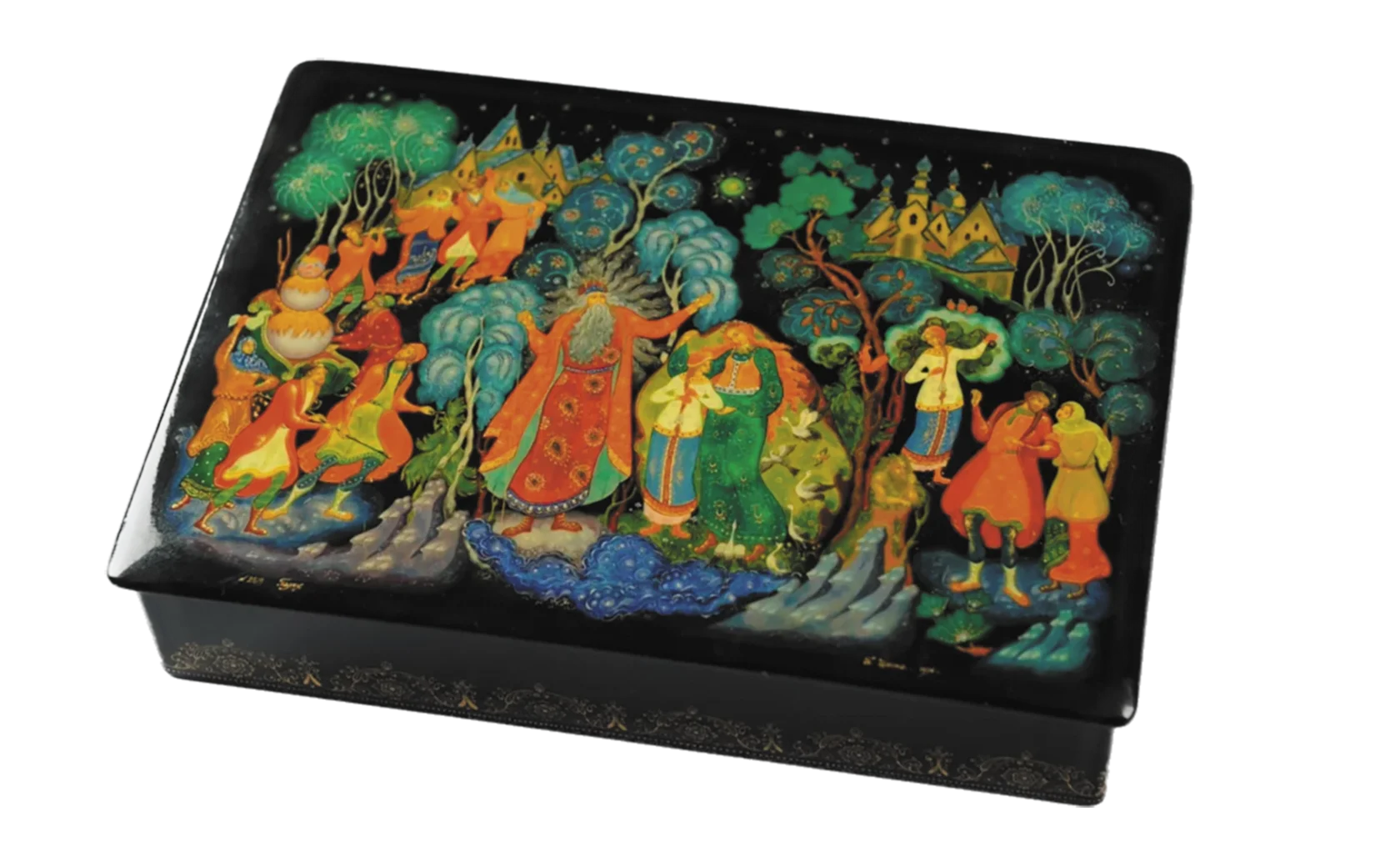
Palekh painting encompasses a wide range of forms and genres: lacquer miniature, decorative panels, canvases, book illustration, porcelain, and mural painting. The use of tempera paints, glazing through thin transparent washes (plavyami — the Russian term for the technique of building up colour through successive translucent layers), and the use of gold leaf have become the hallmarks of the style. In the Soviet period, Palekh motifs were used in porcelain, book graphics, theatrical set design, and jewellery. Public buildings too were painted in this style — shops, Pioneers' Palaces, theatres.
Palekh miniature has become emblematic of Russian decorative and applied arts. The craft has earned worldwide recognition. In 1924, the masters of the Artel of Ancient Painting (Artel drevney zhivopisi — the cooperative workshop founded in Palekh in 1924 that united the first miniaturists) presented their work at the fourteenth International Art Exhibition in Venice. In 1925, they received the Grand Prix at the International Exhibition of Decorative Arts in Paris. Successes in Milan, Vienna, and Berlin followed. The export of Palekh articles contributed to earning foreign currency, which was vital for the country during the period of building new plants and factories.
The Palekh school grew out of the icon-painting tradition that had existed in the village since the seventeenth century. After the Revolution of 1917 the craftsmen adapted their skills to the new conditions, preserving the technique of tempera painting (distemper applied in thin, translucent layers), linear composition, and the use of gold. This made it possible to retain authentic technical and stylistic methods.
Palekh painting encompasses a wide range of forms and genres: lacquer miniature, decorative panels, canvases, book illustration, porcelain, and mural painting. The use of tempera paints, glazing through thin transparent washes (plavyami — the Russian term for the technique of building up colour through successive translucent layers), and the use of gold leaf have become the hallmarks of the style. In the Soviet period, Palekh motifs were used in porcelain, book graphics, theatrical set design, and jewellery. Public buildings too were painted in this style — shops, Pioneers' Palaces, theatres.
Palekh miniature has become emblematic of Russian decorative and applied arts. The craft has earned worldwide recognition. In 1924, the masters of the Artel of Ancient Painting (Artel drevney zhivopisi — the cooperative workshop founded in Palekh in 1924 that united the first miniaturists) presented their work at the fourteenth International Art Exhibition in Venice. In 1925, they received the Grand Prix at the International Exhibition of Decorative Arts in Paris. Successes in Milan, Vienna, and Berlin followed. The export of Palekh articles contributed to earning foreign currency, which was vital for the country during the period of building new plants and factories.
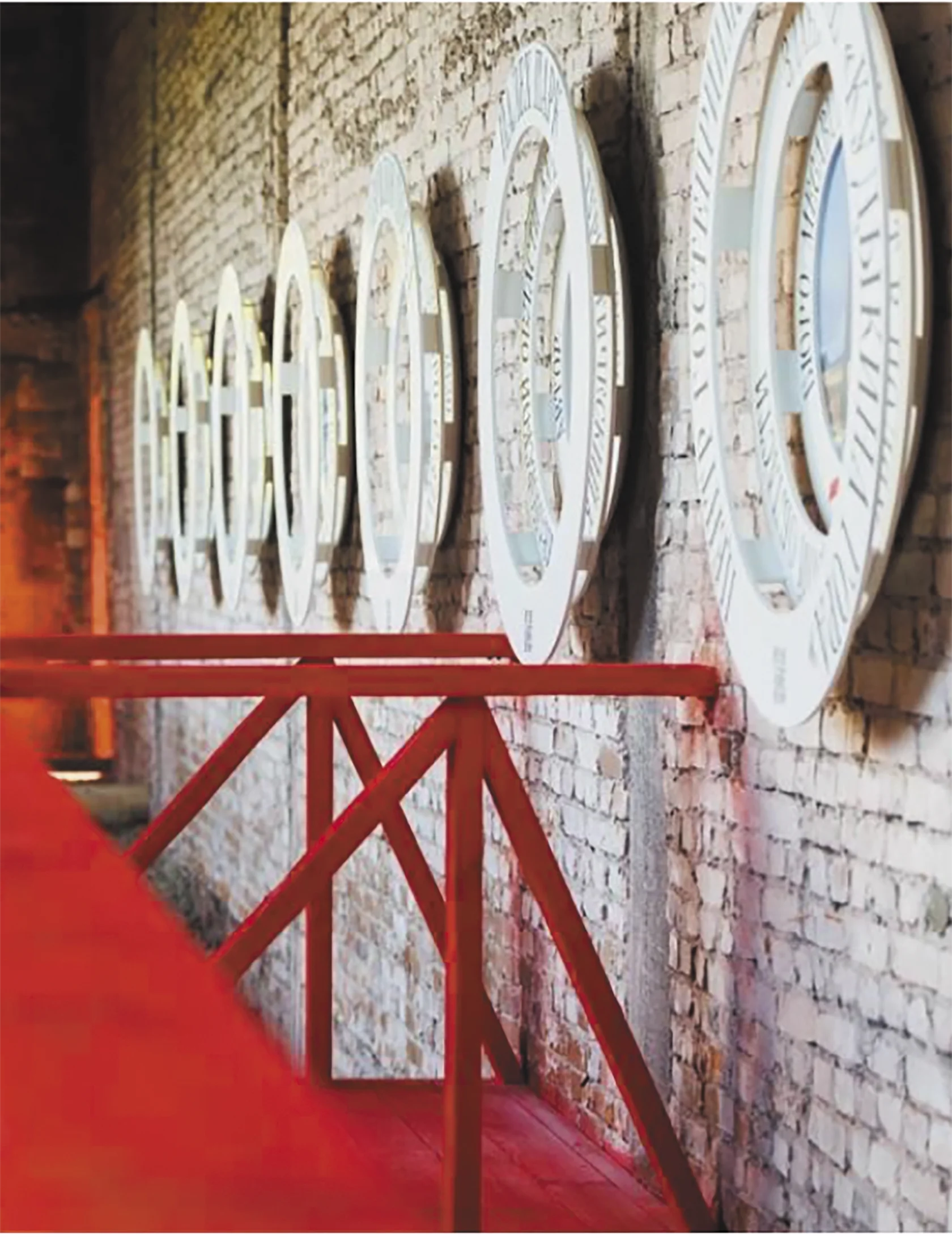
Since 2023 the village of Palekh has hosted the Rural Biennale. The first biennale took place on 19−20 August 2023 under the theme 'Architrave'; the second one was held on 23−24 August 2025 with the theme 'The Human Being. Co-Creation'. The event has a multi-genre format with a focus on the visual arts. For several days Palekh is transformed into a single unified exhibition space. The contemporary art biennale Preobrazheniye ('Transfiguration') in Palekh is a project that brings together the traditions of Palekh art and contemporary artistic practices, and promotes local cultural heritage on both the international stage and within Russia.
Palekh painting has become an important element of Russia’s cultural identity, combining the preservation of tradition with creative experimentation and active promotion on the international stage. Palekh art affirms Russian national culture, the Russian worldview, and the Russian way of life. Its characteristic subjects — everyday life, the literary works of the classics, fairy tales, byliny (Russian heroic oral epics), and songs — reflect the folkloric heritage and peasant wisdom. The art of Palekh has the power to affect the viewer, to develop a sense of elegance and harmony, and to shape the worldview. It serves as a tuning fork, aligning the mind with constructive engagement with nature and society. In its finest examples, Palekh painting embodies the creative force of the Russian people and their capacity to preserve and enrich historical memory.
Thus, Palekh has been transformed into our country’s cultural code, reflecting national identity, shaping the worldview, and preserving historical memory.
Palekh painting has become an important element of Russia’s cultural identity, combining the preservation of tradition with creative experimentation and active promotion on the international stage. Palekh art affirms Russian national culture, the Russian worldview, and the Russian way of life. Its characteristic subjects — everyday life, the literary works of the classics, fairy tales, byliny (Russian heroic oral epics), and songs — reflect the folkloric heritage and peasant wisdom. The art of Palekh has the power to affect the viewer, to develop a sense of elegance and harmony, and to shape the worldview. It serves as a tuning fork, aligning the mind with constructive engagement with nature and society. In its finest examples, Palekh painting embodies the creative force of the Russian people and their capacity to preserve and enrich historical memory.
Thus, Palekh has been transformed into our country’s cultural code, reflecting national identity, shaping the worldview, and preserving historical memory.
The International Significance of Palekh Painting in Christian Art
The international significance of Palekh painting in the context of Christian art rests on its unique combination of traditional Old Russian icon-painting canons and innovative techniques that have attracted the attention of audiences worldwide. Palekh art originated as a centre of icon painting and developed on the foundations of Old Russian painting traditions, incorporating elements of the Novgorod, Stroganov, Moscow, and other icon-painting schools. The independent Palekh style took definitive shape by the mid-eighteenth century.
After the October Revolution of 1917, when icon painting was suppressed, Palekh masters transferred their skills to the field of lacquer miniature — decorating caskets, small boxes, snuff boxes, and other objects. This made it possible to preserve both the technique and the tradition, and to bring the art to the attention of audiences abroad.
Abroad, Palekh art was perceived as a unique phenomenon in world artistic culture. What captivated European audiences was not only the beauty of the objects' decoration but also the painting technique, which was entirely unfamiliar to them, as well as the combination of Old Russian icon-painting traditions and contemporary artistic exploration.
The international significance of Palekh painting in Christian art derives from its contribution to the preservation and development of Old Russian traditions, its unique technical mastery, and its capacity to draw attention to Christian culture beyond Russia’s borders. A particular role in Palekh miniature is played by the application of gold to define all volumes at the final stage of work. Gold in this context is inseparable from the symbolism of light, which in Christian iconography acquires special aesthetic significance as a prefiguration of Divine Grace.
The art of the Palekh masters thus aroused genuine fascination and strong demand in the West. Europeans were captivated not only by the decorative beauty of the objects but by the unique painting technique. The colour treatment of Palekh miniatures, for instance, followed a single underlying principle: the stylised, non-naturalistic character of individual colour areas, combined with the presence of every vivid hue found in nature within an overall harmony and restraint of the colour scheme. The effect of transparency — lower paint layers showing through thin, translucent upper layers — together with varying densities of pigment creates an impression of colour in motion, one tone flowing imperceptibly into another with no visible boundary between them.
The economic impact on the prestige of Palekh products was enormous: following the exhibitions, the volume of exports of Palekh lacquer boxes abroad increased significantly. They were most frequently purchased as gifts for senior dignitaries.
Interest in Palekh art abroad arose as early as the nineteenth century. In 1814, for example, Johann Wolfgang Goethe — having heard of the Suzdal icon painters — received a gift of two Palekh icons: the Twelve Great Feasts (Dvenadtsatye Prazdniki — the cycle of the twelve principal feasts of the Orthodox Christian liturgical year) and the Mother of God.
In 1924, Palekh miniatures were exhibited at the International Exhibition in Venice, after which the response was so strong that the Italian side proposed that the Palekh masters relocate to Italy to establish a school of miniature painting there — with a pension for life. In 1927, Italy again hosted works by Palekh masters, this time in Milan.
Today, Palekh miniature and icon painting continue to hold significance in the global cultural space. They are regarded as part of the world’s artistic heritage, with the capacity to connect different cultures and to foster understanding of spiritual and aesthetic values. The significance of Palekh painting abroad is thus rooted in its role in preserving and promoting Christian traditions, as well as in its unique artistic language that combines Old Russian canons with contemporary artistic experiment.
After the October Revolution of 1917, when icon painting was suppressed, Palekh masters transferred their skills to the field of lacquer miniature — decorating caskets, small boxes, snuff boxes, and other objects. This made it possible to preserve both the technique and the tradition, and to bring the art to the attention of audiences abroad.
Abroad, Palekh art was perceived as a unique phenomenon in world artistic culture. What captivated European audiences was not only the beauty of the objects' decoration but also the painting technique, which was entirely unfamiliar to them, as well as the combination of Old Russian icon-painting traditions and contemporary artistic exploration.
The international significance of Palekh painting in Christian art derives from its contribution to the preservation and development of Old Russian traditions, its unique technical mastery, and its capacity to draw attention to Christian culture beyond Russia’s borders. A particular role in Palekh miniature is played by the application of gold to define all volumes at the final stage of work. Gold in this context is inseparable from the symbolism of light, which in Christian iconography acquires special aesthetic significance as a prefiguration of Divine Grace.
The art of the Palekh masters thus aroused genuine fascination and strong demand in the West. Europeans were captivated not only by the decorative beauty of the objects but by the unique painting technique. The colour treatment of Palekh miniatures, for instance, followed a single underlying principle: the stylised, non-naturalistic character of individual colour areas, combined with the presence of every vivid hue found in nature within an overall harmony and restraint of the colour scheme. The effect of transparency — lower paint layers showing through thin, translucent upper layers — together with varying densities of pigment creates an impression of colour in motion, one tone flowing imperceptibly into another with no visible boundary between them.
The economic impact on the prestige of Palekh products was enormous: following the exhibitions, the volume of exports of Palekh lacquer boxes abroad increased significantly. They were most frequently purchased as gifts for senior dignitaries.
Interest in Palekh art abroad arose as early as the nineteenth century. In 1814, for example, Johann Wolfgang Goethe — having heard of the Suzdal icon painters — received a gift of two Palekh icons: the Twelve Great Feasts (Dvenadtsatye Prazdniki — the cycle of the twelve principal feasts of the Orthodox Christian liturgical year) and the Mother of God.
In 1924, Palekh miniatures were exhibited at the International Exhibition in Venice, after which the response was so strong that the Italian side proposed that the Palekh masters relocate to Italy to establish a school of miniature painting there — with a pension for life. In 1927, Italy again hosted works by Palekh masters, this time in Milan.
Today, Palekh miniature and icon painting continue to hold significance in the global cultural space. They are regarded as part of the world’s artistic heritage, with the capacity to connect different cultures and to foster understanding of spiritual and aesthetic values. The significance of Palekh painting abroad is thus rooted in its role in preserving and promoting Christian traditions, as well as in its unique artistic language that combines Old Russian canons with contemporary artistic experiment.
The Preservation of Historic Craft Territories
The preservation of historic craft territories is a complex task that encompasses protection of cultural heritage, support for traditional crafts, development of tourism, and education. It is vital for maintaining national identity, cultural diversity, and sustainable development of regions. The Federal Law 'On Folk Art Crafts' (1999) establishes that the preservation, revival, and development of folk art crafts are an important state responsibility.
Vladimir Petrovich Yevtushenkov, founder of AFK Sistema (one of Russia’s largest diversified holding companies), noted in an interview with Evrazimut magazine: 'The Soviet Union sold six billion dollars' worth of folk craft abroad. This can grow into a real business, but only if a great deal of work is done.' In late 2019, the corporation invested in Obyedineniye Gzhel (the Gzhel Association — Russia’s leading producer of traditional hand-painted porcelain in the distinctive blue-and-white Gzhel style), and is developing a modern production and tourism cluster on the site of one of the oldest folk art enterprises, in the village of Turyginо in the Ramenskoye district of Moscow Oblast.
This example shows that the key factor for success is the balance between preserving the authenticity of traditions and adapting them to contemporary realities. Moreover, the preservation of historic craft territories requires coordinated effort from the state, local communities, businesses, and educational institutions.
Vladimir Petrovich Yevtushenkov, founder of AFK Sistema (one of Russia’s largest diversified holding companies), noted in an interview with Evrazimut magazine: 'The Soviet Union sold six billion dollars' worth of folk craft abroad. This can grow into a real business, but only if a great deal of work is done.' In late 2019, the corporation invested in Obyedineniye Gzhel (the Gzhel Association — Russia’s leading producer of traditional hand-painted porcelain in the distinctive blue-and-white Gzhel style), and is developing a modern production and tourism cluster on the site of one of the oldest folk art enterprises, in the village of Turyginо in the Ramenskoye district of Moscow Oblast.
This example shows that the key factor for success is the balance between preserving the authenticity of traditions and adapting them to contemporary realities. Moreover, the preservation of historic craft territories requires coordinated effort from the state, local communities, businesses, and educational institutions.
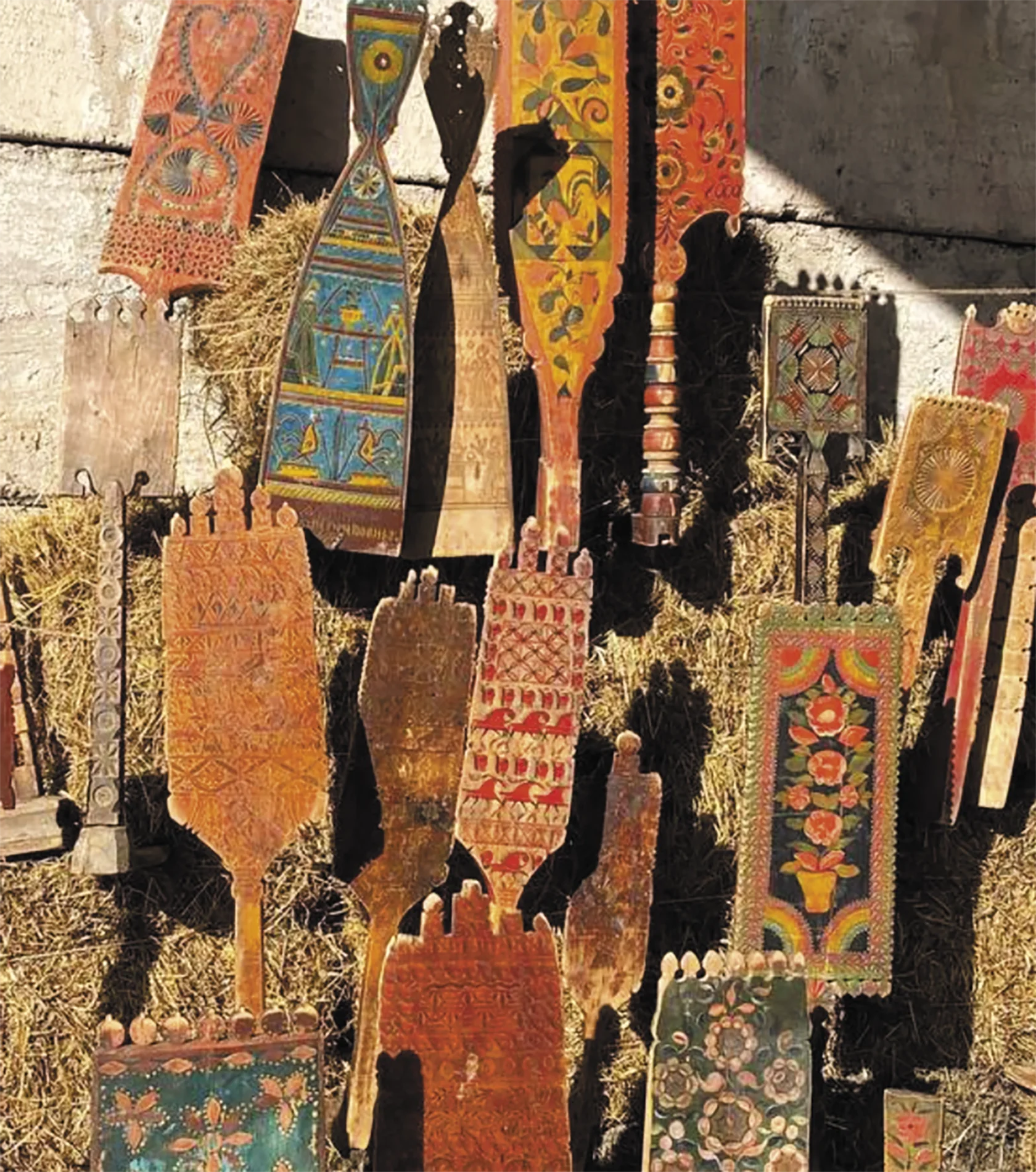
Craft traditions are intimately bound to a specific place, its natural environment, and its architecture. It is essential to protect the historic setting in which the crafts were born and developed. Developing cultural and educational tourism — incorporating craft territories into tourist itineraries — can become a source of funding and a means of promoting these traditions. Practical examples include organisation of master classes and ethnographic tours, and creation of craft clusters and small-scale tourist clusters. Establishment of local history museums, and collection and systematic documentation of craft materials (archival research, interviews with craftspeople, photographic and video recording) help to preserve knowledge of traditions. Open-air museums (muzei-zapovednik — a Russian institutional category combining a museum with protected heritage-landscape status) can play a key role in protecting historic territory, including cultural and natural landscapes.
The package of measures for preserving and developing historic settlements is proposed to be implemented with a focus on identifying and cultivating territorial 'growth points' (tochki rosta — a strategic planning concept in Russian regional development denoting locations with high potential for catalysing wider economic and cultural activity). This may include infrastructure development and support for local initiatives. Incorporating the study of crafts into school and university curricula (for example, within the subject 'History of the Region'), creating informational materials (presentations, brochures, videos), and working with the media all contribute to the spread of knowledge about traditions and the creation of such growth points.
The package of measures for preserving and developing historic settlements is proposed to be implemented with a focus on identifying and cultivating territorial 'growth points' (tochki rosta — a strategic planning concept in Russian regional development denoting locations with high potential for catalysing wider economic and cultural activity). This may include infrastructure development and support for local initiatives. Incorporating the study of crafts into school and university curricula (for example, within the subject 'History of the Region'), creating informational materials (presentations, brochures, videos), and working with the media all contribute to the spread of knowledge about traditions and the creation of such growth points.
Synthesis of Tradition and Contemporary Art as a Foundation for Development of Creative Industries
Russian business today is not only oil, gas, and metals. It is a rapidly growing creative economy — an economy that develops through the use of intangible assets: intellectual property. Every product or service in which artistic or technical creativity — or both — is present and expressed is a vivid demonstration of the talent and knowledge of a country’s citizens, and a vehicle for cultural identity. That is precisely why the creative economy sector — from art to innovation — is shaping a new, contemporary image of the country in the world, revealing its strength and potential to its own citizens. Inventions, industrial and digital design, cinema, music, and IT development are becoming a substantial part of the real economy and, most importantly, drivers of growth, sharing their intellectual property with the industrial and raw-materials sector.
The synthesis of tradition and contemporary art serves as the foundation for the development of creative industries, ensuring their resilience, uniqueness, and potential for economic growth. This process encompasses the integration of historic and cultural heritage, traditional practices, modern technologies, and innovative approaches. The advantages of this synthesis are as follows:
• The uniqueness of products and services: the combination of tradition and modernity creates authentic cultural landscapes and brands.
• Economic growth: creative industries rooted in cultural heritage can become a significant factor in the economic development of regions and the country as a whole.
• The preservation of cultural identity: the synthesis of tradition and innovation facilitates the transmission of values and knowledge between generations;
• Enhanced tourist and cultural attractiveness: authentic projects draw greater numbers of visitors and strengthen the image of a region.
• The export of creative output, understood as promotion of Russian creative products on global markets.
• Industrial synergy: collaborations between the IT sector, creative studios, and traditional industrial business, in which technologies, works of art, and media content mutually reinforce one another.
Thus, the synthesis of tradition and contemporary art not only preserves cultural heritage but also creates the foundation for dynamic development of creative industries, bringing the past, the present, and the future into dialogue.
The synthesis of tradition and contemporary art serves as the foundation for the development of creative industries, ensuring their resilience, uniqueness, and potential for economic growth. This process encompasses the integration of historic and cultural heritage, traditional practices, modern technologies, and innovative approaches. The advantages of this synthesis are as follows:
• The uniqueness of products and services: the combination of tradition and modernity creates authentic cultural landscapes and brands.
• Economic growth: creative industries rooted in cultural heritage can become a significant factor in the economic development of regions and the country as a whole.
• The preservation of cultural identity: the synthesis of tradition and innovation facilitates the transmission of values and knowledge between generations;
• Enhanced tourist and cultural attractiveness: authentic projects draw greater numbers of visitors and strengthen the image of a region.
• The export of creative output, understood as promotion of Russian creative products on global markets.
• Industrial synergy: collaborations between the IT sector, creative studios, and traditional industrial business, in which technologies, works of art, and media content mutually reinforce one another.
Thus, the synthesis of tradition and contemporary art not only preserves cultural heritage but also creates the foundation for dynamic development of creative industries, bringing the past, the present, and the future into dialogue.
Palekh Park — A Territory of Innovative Development for a Tourism and Craft Cluster within the Greater Golden Ring of Russia, in Keeping with its Cultural Heritage
Palekh Park is a cultural and tourism cluster in the village of Palekh in Ivanovo Oblast, conceived as a territory of innovative development for a tourism and craft cluster within the Greater Golden Ring of Russia (the expanded version of the classic Golden Ring heritage route, incorporating additional historic towns and villages of the central Russian heartland), in keeping with its cultural heritage. The initiative to create Palekh Park was put forward in 2022 by a team of entrepreneurs and representatives of the design industry. The project’s initiator is Andrei Samonaev, General Director of DK Project. He noted that Palekh Park has the potential to become a driver of regional economic development while preserving the territory’s diversity and historic context.
The project’s aim is to create a contemporary tourism environment in which traditional art — Palekh lacquer miniature and icon painting — interacts harmoniously with new creative industries. According to the creators' projections, the implementation of the project should result in a fivefold increase in tourist numbers (from 40,000 to 200,000 visitors per year) and the creation of 300 new jobs.
The project’s aim is to create a contemporary tourism environment in which traditional art — Palekh lacquer miniature and icon painting — interacts harmoniously with new creative industries. According to the creators' projections, the implementation of the project should result in a fivefold increase in tourist numbers (from 40,000 to 200,000 visitors per year) and the creation of 300 new jobs.
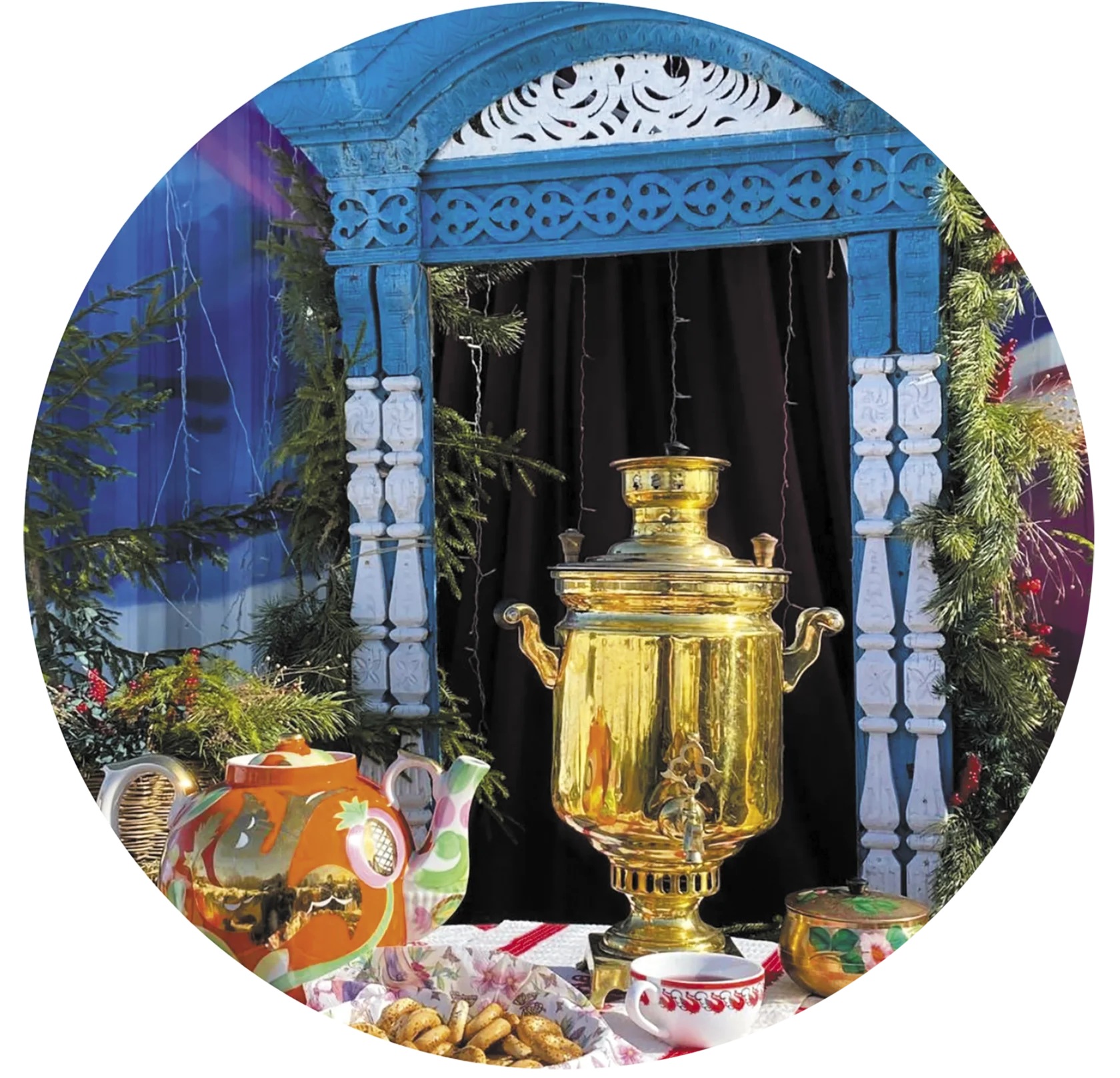
Key project characteristics:
• A total area of 24 hectares, on the site of a former flax-processing plant that ceased operation in the 1990s.
• An educational and cultural centre — the core of the cluster — with a planned area of approximately 3,800 m², to include exhibition space, teaching studios, a co-working area, a theatre hall, production workshops, an artists' residency, and a museum of the factory’s history.
• Additional facilities: a 150‑room hotel, apartment complexes, a motorhome and camping ground, sports and children’s play areas, and a 7‑hectare landscaped park for festivals.
• A farm and gastronomy cluster to include a bread museum, a bakery, a cheese dairy, tasting rooms, a café, an orangery, and greenhouses.
• A residential zone — an art village of two-storey terraced houses.
The project was presented at the Sil’nye idei dlya novogo vremeni ('Strong Ideas for a New Era') forum — a Russian platform for showcasing socially significant initiatives — and was shortlisted among the top 1,000 best initiatives as a historic centre of Russian folk craft, renowned for Palekh lacquer miniature and icon painting, aimed at preserving intangible cultural heritage through comprehensive development of the territory.
In late 2024, within the framework of the national project 'Tourism and the Hospitality Industry', one part of the project was completed: the glamping site Lyon ('Flax'), with twelve modular cabins and a reception module. In 2025, Palekh Park welcomed its first guests, with twelve modular houses installed on the site. The cluster is intended to host large-scale events, including festivals and concerts.
On 23 and 24 August 2025, Palekh hosted the Rural Biennale Preobrazheniye ('Transfiguration'). The Flax Factory site served as the biennale’s principal venue: installations, an exhibition, street art pieces, a pop-up coffee shop, and live performances all took place there. More than 2,500 people attended the event. The biennale was curated by Palekh artist Marina Galkina. She emphasised that Palekh brings all artists together and serves as a bridge between traditional and contemporary art. The biennale provides participants and experts with the opportunity to debate, to seek new meanings, drawing on classical creative heritage. The Preobrazheniye biennale thus plays an important role in the preservation and development of Palekh’s cultural heritage, and in promoting it on the international stage through dialogue with contemporary art.
In accordance with its mission, Palekh Park is set to become:
• A resort of a new kind, offering guests a deep immersive experience — not simply relaxation but a reset through creativity, nature, and mindful community.
• A destination for creative people from many fields — art, design, architecture, multimedia, and the performing arts — and a platform for creative exchange and inspiration.
• A powerful cultural hub: a new point on the map of cultural tourism, capable of speaking the language of festivals, biennales, and forums, and of strengthening international cultural ties.
• A driver of sustainable development for the territory and the region — a model of economic and social development for small towns across Russia.
• A total area of 24 hectares, on the site of a former flax-processing plant that ceased operation in the 1990s.
• An educational and cultural centre — the core of the cluster — with a planned area of approximately 3,800 m², to include exhibition space, teaching studios, a co-working area, a theatre hall, production workshops, an artists' residency, and a museum of the factory’s history.
• Additional facilities: a 150‑room hotel, apartment complexes, a motorhome and camping ground, sports and children’s play areas, and a 7‑hectare landscaped park for festivals.
• A farm and gastronomy cluster to include a bread museum, a bakery, a cheese dairy, tasting rooms, a café, an orangery, and greenhouses.
• A residential zone — an art village of two-storey terraced houses.
The project was presented at the Sil’nye idei dlya novogo vremeni ('Strong Ideas for a New Era') forum — a Russian platform for showcasing socially significant initiatives — and was shortlisted among the top 1,000 best initiatives as a historic centre of Russian folk craft, renowned for Palekh lacquer miniature and icon painting, aimed at preserving intangible cultural heritage through comprehensive development of the territory.
In late 2024, within the framework of the national project 'Tourism and the Hospitality Industry', one part of the project was completed: the glamping site Lyon ('Flax'), with twelve modular cabins and a reception module. In 2025, Palekh Park welcomed its first guests, with twelve modular houses installed on the site. The cluster is intended to host large-scale events, including festivals and concerts.
On 23 and 24 August 2025, Palekh hosted the Rural Biennale Preobrazheniye ('Transfiguration'). The Flax Factory site served as the biennale’s principal venue: installations, an exhibition, street art pieces, a pop-up coffee shop, and live performances all took place there. More than 2,500 people attended the event. The biennale was curated by Palekh artist Marina Galkina. She emphasised that Palekh brings all artists together and serves as a bridge between traditional and contemporary art. The biennale provides participants and experts with the opportunity to debate, to seek new meanings, drawing on classical creative heritage. The Preobrazheniye biennale thus plays an important role in the preservation and development of Palekh’s cultural heritage, and in promoting it on the international stage through dialogue with contemporary art.
In accordance with its mission, Palekh Park is set to become:
• A resort of a new kind, offering guests a deep immersive experience — not simply relaxation but a reset through creativity, nature, and mindful community.
• A destination for creative people from many fields — art, design, architecture, multimedia, and the performing arts — and a platform for creative exchange and inspiration.
• A powerful cultural hub: a new point on the map of cultural tourism, capable of speaking the language of festivals, biennales, and forums, and of strengthening international cultural ties.
• A driver of sustainable development for the territory and the region — a model of economic and social development for small towns across Russia.
Tatyana Vladimirovna Yeremicheva
Andrei Viktorovich Samonaev