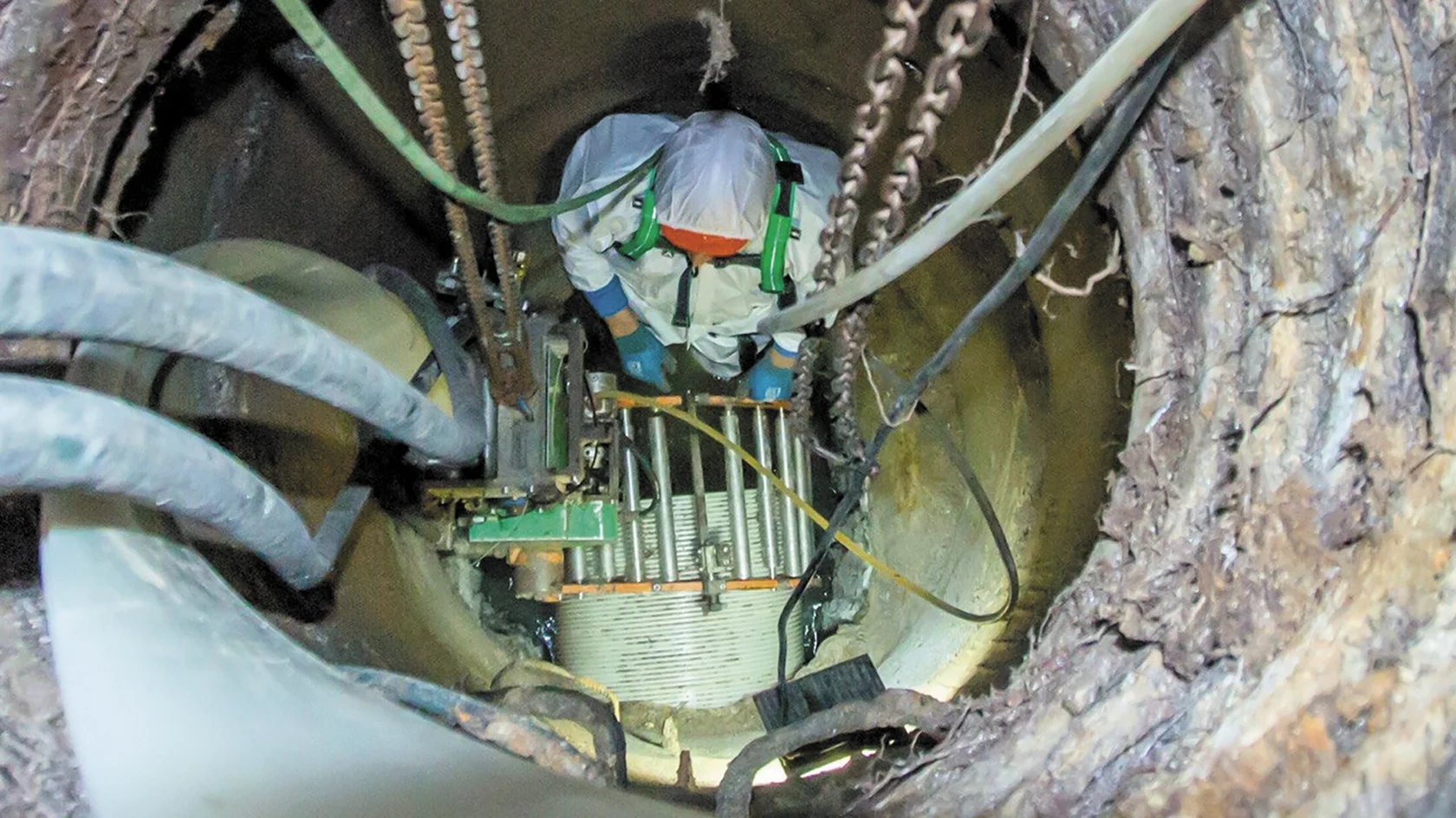
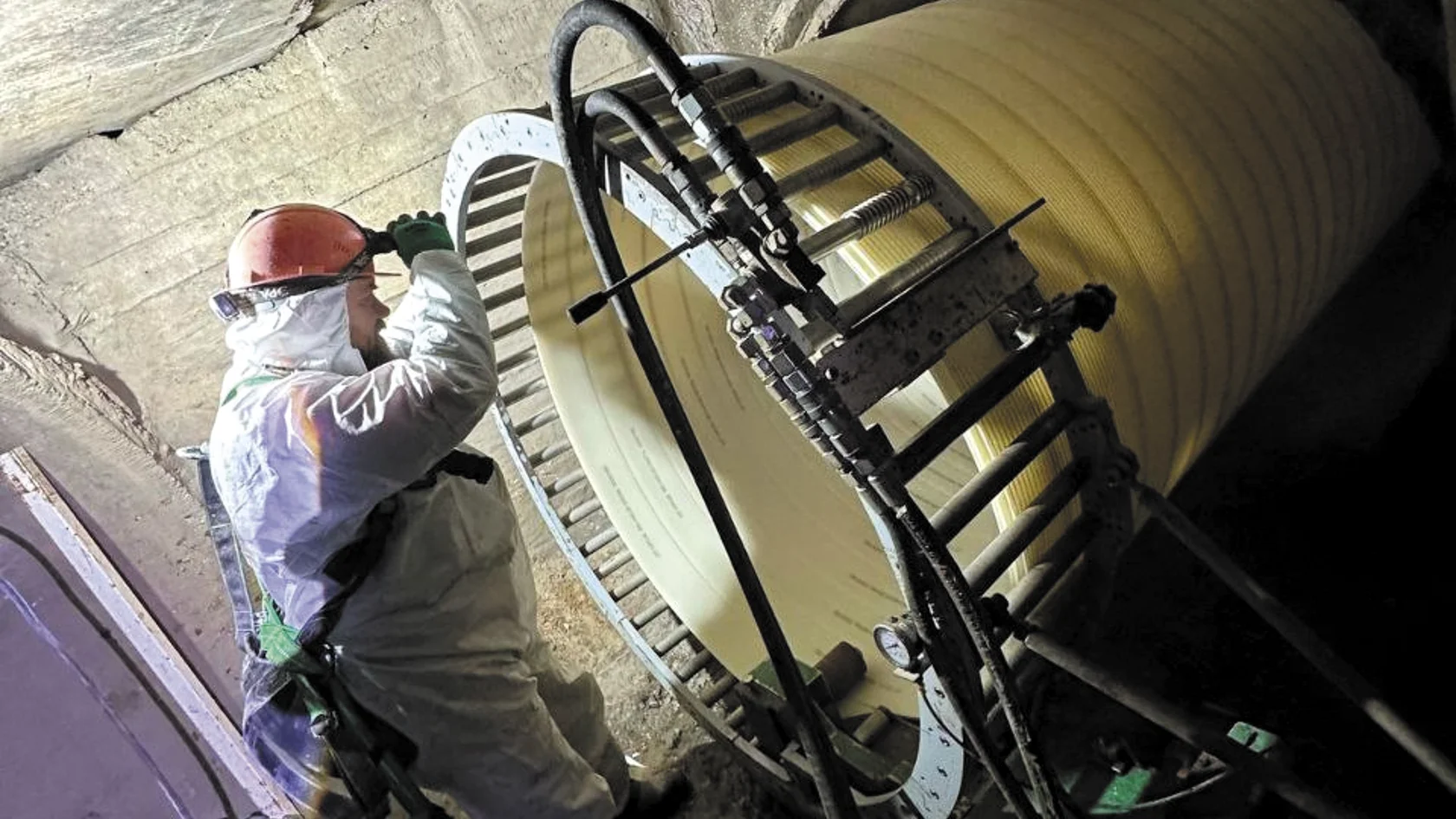
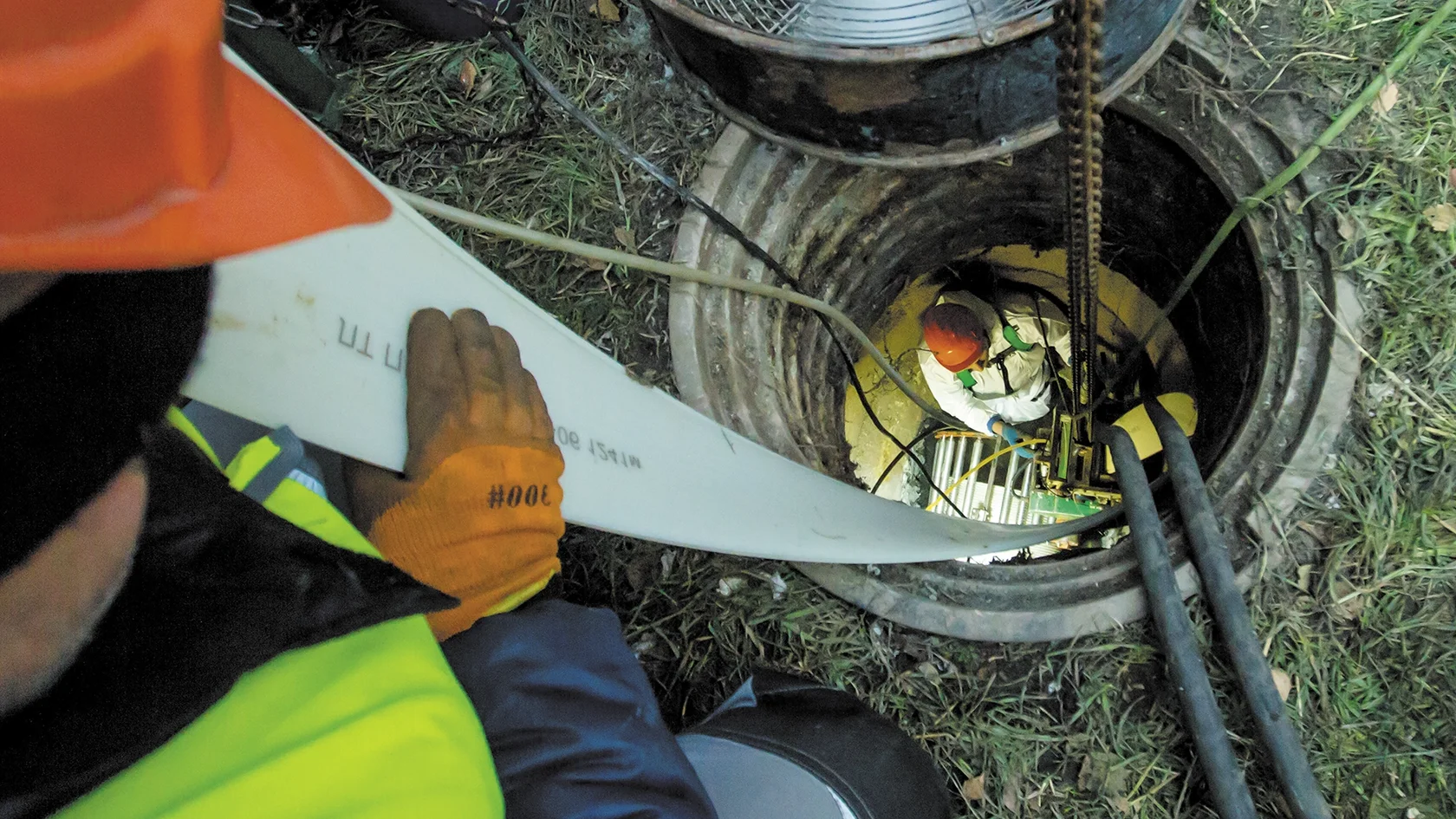
Russia’s underground infrastructure is ageing faster than it is being renewed. Conventional pipe replacement means excavation, closed roads, missed deadlines, and losses running into billions. An alternative exists, however: trenchless pipeline rehabilitation, in which a new pipe is formed inside the old one — without opening trenches or bringing urban life to a halt.
The Infrastructure Challenge
By various estimates, the deterioration of Russia’s utility networks has reached critical levels. Cracks, failed joints, and internal deposits lead to pressure loss, secondary contamination of drinking water, gas leaks, and soil pollution. In densely built-up cities, beneath railway lines, bridges, and protected historical sites, conventional pipe replacement is often either physically impossible or economically unjustifiable.
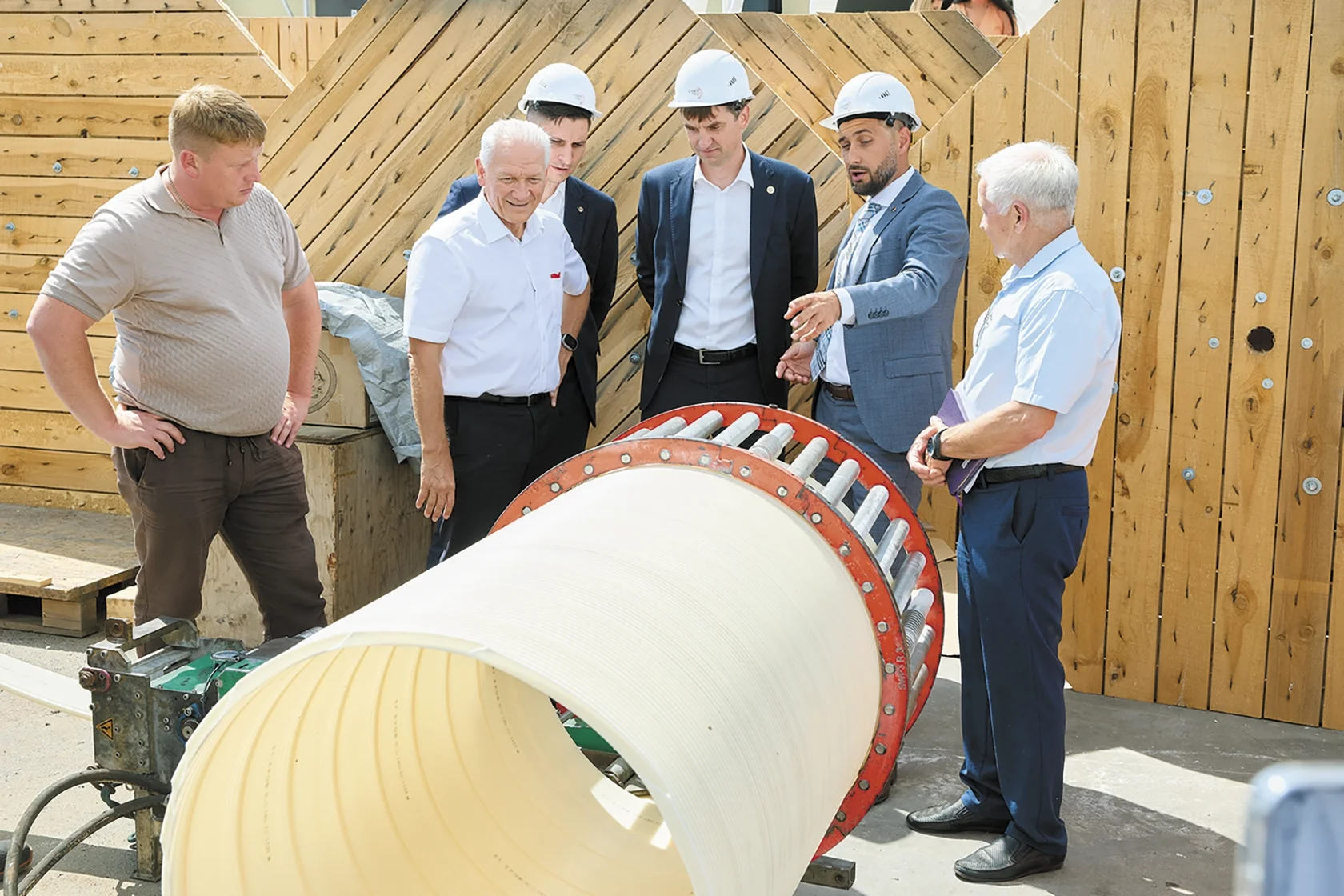
The answer lies in trenchless methods — the repair and reconstruction of engineering networks without open trenches. In Russia and the CIS, the LinerTek Group (GK LinerTek) occupies a leading position in this market: the company is one of the foremost specialists in the trenchless rehabilitation of water supply and drainage networks, with 18 years of operational experience. In 2025 alone it restored more than 13 kilometres of utility networks, demonstrating the technology’s effectiveness in practice.
By various estimates, the deterioration of Russia’s utility networks has reached critical levels. Cracks, failed joints, and internal deposits lead to pressure loss, secondary contamination of drinking water, gas leaks, and soil pollution. In densely built-up cities, beneath railway lines, bridges, and protected historical sites, conventional pipe replacement is often either physically impossible or economically unjustifiable.
The answer lies in trenchless methods — the repair and reconstruction of engineering networks without open trenches. In Russia and the CIS, the LinerTek Group (GK LinerTek) occupies a leading position in this market: the company is one of the foremost specialists in the trenchless rehabilitation of water supply and drainage networks, with 18 years of operational experience. In 2025 alone it restored more than 13 kilometres of utility networks, demonstrating the technology’s effectiveness in practice.
Where Trenchless Methods Are Indispensable
Open-cut repair is practically impossible in the following situations:
• indestructible structures above the pipeline section (railway lines, bridges, tram tracks, rivers);
• dense urban development and protected heritage sites;
• multiple crossings with other utility lines;
• pipe depth exceeding 5 metres;
• loose or unstable ground conditions.
Economic Impact
The elimination of excavation work reduces costs by approximately 30 percent, and repair time is cut several times over. There is no need to close roads, fell trees, or cut off entire districts from their water supply.
Open-cut repair is practically impossible in the following situations:
• indestructible structures above the pipeline section (railway lines, bridges, tram tracks, rivers);
• dense urban development and protected heritage sites;
• multiple crossings with other utility lines;
• pipe depth exceeding 5 metres;
• loose or unstable ground conditions.
Economic Impact
The elimination of excavation work reduces costs by approximately 30 percent, and repair time is cut several times over. There is no need to close roads, fell trees, or cut off entire districts from their water supply.
Supporting the Leaders of Trenchless Technology Is an Investment in the Country’s Infrastructure Security
The development of excavation-free pipeline rehabilitation directly serves the objectives of the national project Housing and Urban Environment and the Clean Water programme. This is why companies that combine many years of expertise with tangible results — such as LinerTek — deserve active support and promotion in the market. Such enterprises help Russia to address the critical deterioration of its networks without shutting down cities, preserving public funds and enhancing the overall resilience of utility infrastructure.
The development of excavation-free pipeline rehabilitation directly serves the objectives of the national project Housing and Urban Environment and the Clean Water programme. This is why companies that combine many years of expertise with tangible results — such as LinerTek — deserve active support and promotion in the market. Such enterprises help Russia to address the critical deterioration of its networks without shutting down cities, preserving public funds and enhancing the overall resilience of utility infrastructure.
Looking Ahead
The trenchless technology market in Russia is growing rapidly. Tightening environmental requirements, the need to preserve the urban environment, and the critical deterioration of networks are turning these methods from a luxury into a necessity. Specialist companies continue to expand their production capacity, develop proprietary materials, and introduce new technologies.
In an era when the urban environment is becoming ever more fragile and infrastructure ever more worn, trenchless technologies fulfil a dual mission: they do not simply repair pipes — they preserve the familiar rhythm of life for millions of people, shielding the underground space of cities from the chaos of open trenches.
The trenchless technology market in Russia is growing rapidly. Tightening environmental requirements, the need to preserve the urban environment, and the critical deterioration of networks are turning these methods from a luxury into a necessity. Specialist companies continue to expand their production capacity, develop proprietary materials, and introduce new technologies.
In an era when the urban environment is becoming ever more fragile and infrastructure ever more worn, trenchless technologies fulfil a dual mission: they do not simply repair pipes — they preserve the familiar rhythm of life for millions of people, shielding the underground space of cities from the chaos of open trenches.