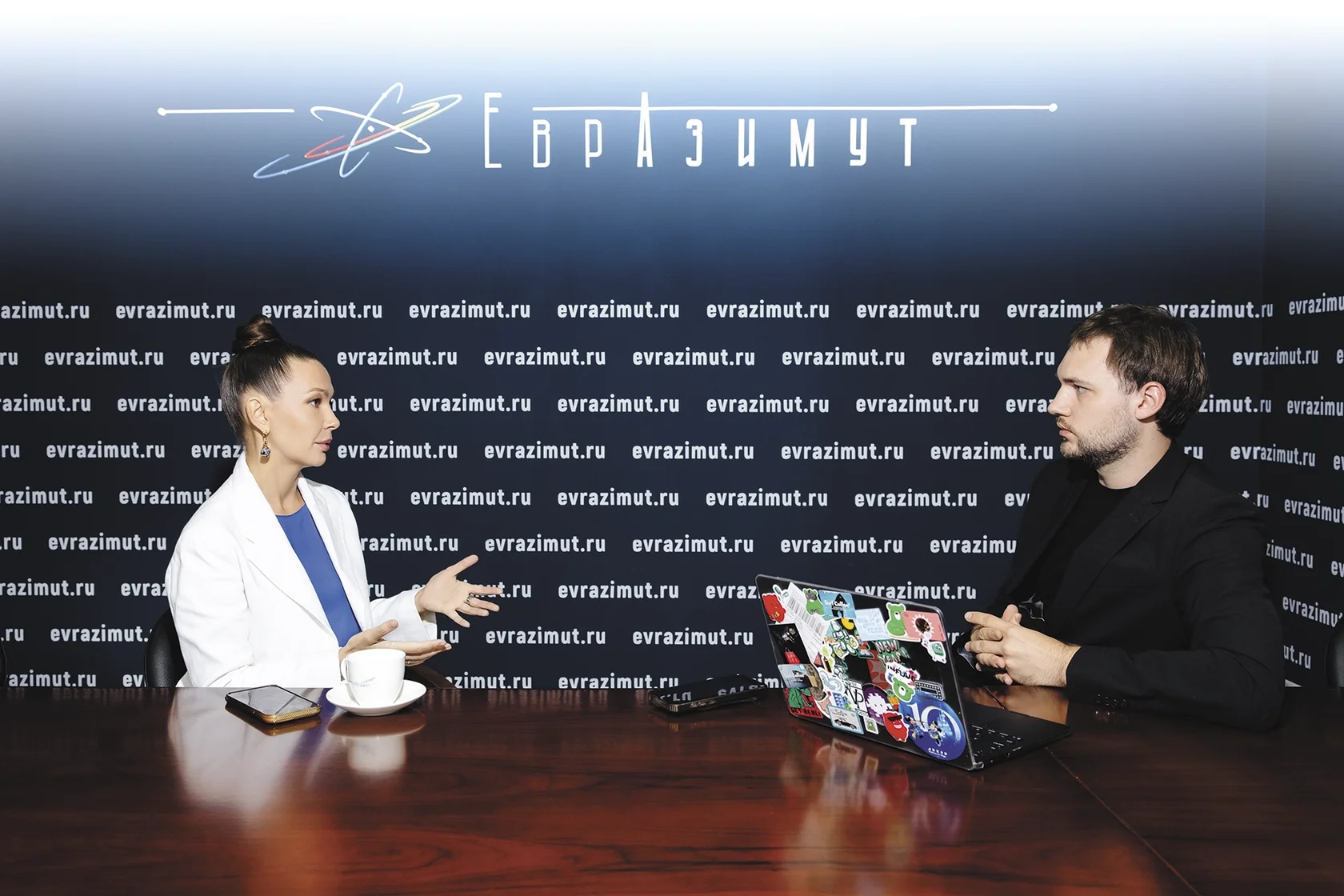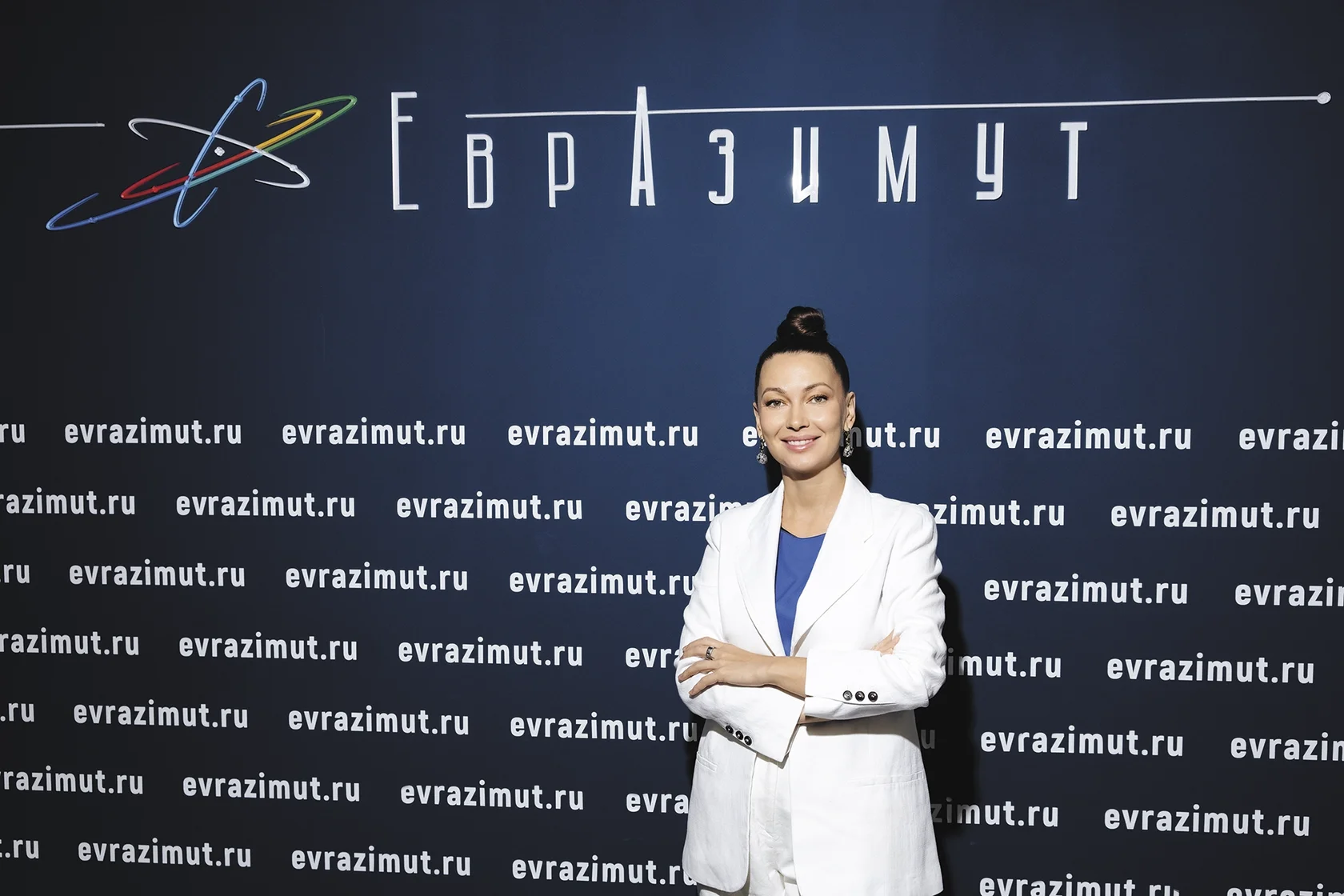
Креативные индустрии все чаще рассматриваются не только как сфера культуры и творчества, но и как самостоятельный экономический инструмент, способный менять облик городов и регионов, создавать новые продукты и удерживать человеческий капитал. О том, чем профессиональная творческая деятельность отличается от творчества как такового, зачем России современный культурный код, какую роль в новой экономике играют продюсеры и как искусственный интеллект меняет представления об авторстве, в интервью «Евразимуту» рассказала глава АНО «Креативная экономика» Марина Монгуш.
— Вы говорите, что креативные индустрии — это не «красивая надстройка», а инструмент развития территорий. В чём их практическая ценность для регионов?
— Долгое время дизайн, книги, кино и другие креативные продукты воспринимались вне экономического контекста, как творчество или культура. На них не смотрели как на единый сектор экономики и тем более как на инструмент развития страны и регионов. В 2020 году мы постарались изменить эту оптику: на Российской креативной неделе показали разные отрасли как единый сектор с общей проблематикой.
В центре каждой из этих отраслей находится человек, создающий интеллектуальный продукт.
Поэтому и вопросы у них общие: как защитить идею и авторское право, как продвинуть разработку, как создать среду, в которой человек лучше работает, как выстроить сообщества, где рождаются сильные проекты.
Сегодня креативная экономика особенно важна как инструмент диверсификации. Старая бизнес-идентичность многих территорий перестаёт работать. Например, Кузбассу нужно искать жизнь за пределами угольной идентичности. Речь не о том, что ремесленные изделия заменят сырьевую экономику. Новая бизнес-идентичность возникает на стыке сырьевого сектора и креативной экономики — через новые продукты, смыслы, технологии, брендинг и сценарии развития.
Есть и другой аспект: удержание людей. Если из территории уезжает её креативный класс, она теряет способность обновляться. Поэтому креативные индустрии — это не развлечение, а один из инструментов территориального развития.
— При этом сами понятия часто смешивают. Как вы разводите креативность, творчество, креативные индустрии и креативную экономику?
— Это своего рода матрёшка. Креативность и творчество могут быть свойствами человека, но сами по себе они ещё не имеют отношения к креативным индустриям. Можно хорошо играть на пианино для себя — это творческое занятие. Но если человек создаёт музыкальный бренд, выпускает авторские продукты, работает с интеллектуальной собственностью и зарабатывает на этом, он уже занимается профессиональной креативной деятельностью и влияет на экономику.
Первый уровень — креативность как навык. Она нужна не только художникам: сегодня она необходима чиновникам, предпринимателям, управленцам. Второй уровень — профессиональная креативная деятельность. Третий — креативные индустрии, то есть отрасли, в основе которых лежит интеллектуальный продукт. А их совокупное влияние формирует креативную экономику.
Главный критерий отрасли — наличие индивидуальной разработки, которую можно отделить от автора, защитить авторским правом и превратить в самостоятельный продукт. Поэтому в перечень креативных отраслей входят, например, гастрономия и ИТ. Обычный общепит — это сервис, но авторская кухня с собственной разработкой и интеллектуальной составляющей относится к креативным индустриям. Так же и в ИТ: повторение готового решения — производство, а авторский код или индивидуальная разработка — креативный продукт.
— В законодательном определении творческое и креативное фактически стоят рядом. Не стирает ли это границу между произведением и продуктом?
— Для меня это разные понятия. Профессиональный креативный продукт изначально создаётся так, чтобы его можно было масштабировать, вывести на рынок и сделать востребованным. В нём велика роль упаковки, продюсирования, маркетинга, платформ, лицензирования и защиты интеллектуальной собственности.
Творческий акт не обязательно связан с экономикой. Человек создаёт что‑то, потому что не может не создавать, но результат может не выйти на рынок и вообще не стать продуктом. У нас, например, много дизайнеров, но мало брендов. Делать красивые вещи — прекрасно, это украшает мир. Но создать бренд, который будет востребован, принесёт доход автору и стране и, возможно, станет мировым, — уже другая деятельность.
— Значит, профессиональной креативной деятельности нужно специально учиться?
— Безусловно. Автору недостаточно создавать. Ему нужно понимать, как работать с интеллектуальной собственностью и лицензиями, как защищать авторское право, упаковывать и продюсировать продукт, заниматься маркетингом, работать с платформами и маркетплейсами. Это сложная профессиональная деятельность.
Показательна динамика последних лет. В 2019 году наш институт был единственным специализированным институтом развития в этой сфере. Сейчас таких институтов, по нашим данным, 53. Тогда не было ни одной креативной школы; сегодня их 118, появились кафедры в вузах и исследовательские центры. Тема стала частью государственной повестки, заработали координационные механизмы, готовится стратегия развития креативной экономики.
Но важно не только количество институтов. Нас десятилетиями учили управлять городами, регионами и бизнесом в логике сырьевой и индустриальной экономики. Управлению в условиях креативной экономики ещё предстоит научиться.
— Разве креативные отрасли не существовали в России раньше?
— Конечно, существовали: кино, книги, дизайн, музыка и другие отрасли всегда работали. В советское время им уделяли большое внимание, существовали институты, которые изучали дизайн, потребление и сценарии жизни человека. Просто всё это не называли единым сектором креативной экономики.
Позднее мы надолго оказались преимущественно потребителями чужих креативных продуктов и чужих сценариев жизни. Даже слово «евроремонт» об этом говорит. В урбанистике мы часто копировали скандинавский стиль и ставили скандинавские скамейки, хотя за этим стилем стоит собственная система ценностей, выросшая из другой культуры.
Проблема не в заимствовании как таковом, а в том, что мы недостаточно создавали и предъявляли собственные современные смыслы. Советский культурный код не был полноценно унаследован, а новый долгое время не формулировался.
— Что тогда следует понимать под современным культурным кодом?
— Его часто сводят к кокошникам, народным художественным промыслам, орнаментам и другим образам прошлого. Но наследие и современный культурный код — не одно и то же. Культурный код проявляется в сегодняшнем сценарии жизни: в архитектуре, одежде, еде, городском пространстве, привычках, в том, каким человек видит себя и своё будущее.
Мы легко считываем японский культурный код по архитектуре, предметам, моде, чайной культуре. Узнаём скандинавский стиль, потому что за ним стоит понятная система ценностей. Узнаём американский сценарий жизни по домам, автомобилям, газонам, организации пространства. Всё это не сводится к тому, что люди носили полтора века назад.
Мой любимый пример — Южная Корея. Развивая креативную экономику, она стремилась и заработать, и продвинуть собственную культуру. Миру показали не старинные орнаменты, а современный корейский образ жизни — через K-pop, дорамы и другие продукты. В результате страна изменила не только своё позиционирование, но и самоощущение.
Нам тоже важно говорить о культурном коде современной России, а не делать вид, будто последних 150 лет не существовало. Иначе деньги и время уходят на псевдопродукты, которые не усиливают образ сегодняшней страны.
— Российские регионы живут в очень разных ритмах. Как соединить, например, московский сценарий жизни и сценарий небольшого сибирского города?
— Это серьёзная работа социологов, психологов и методологов. Здесь недостаточно интуиции или набора декоративных приёмов. Нужно изучать, как живут люди, что для них ценно, как они пользуются продуктами, как на них влияют дизайн, кино, городская среда.
У нас пока мало специалистов, умеющих переводить такое знание в продукт. Поэтому мы часто оказываемся между двумя полюсами. Государственные и общественные структуры создают полезные проекты, которые не становятся востребованными. Рынок, напротив, умеет делать продукты с огромной аудиторией, но их воздействие далеко не всегда полезно.
Задача — найти золотую середину: научиться делать полезное востребованным. Для этого нужны профессионалы с практическим рыночным опытом — люди, создававшие конкурентоспособные продукты и умеющие получать результат не только за счёт бюджета. Иначе на выходе появляется хорошая отчётность и множество проектов, но реального воздействия почти нет.
— Обязательно ли творчество предполагает личное высказывание и собственную позицию?
— Описание творческого процесса — во многом философский вопрос. Творчество связано с внутренней необходимостью: человек не может не написать текст, не сочинить музыку, не создать образ. При этом не каждый творческий результат становится продуктом или культурным наследием.
Если смотреть через деятельностный подход, профессиональную креативную деятельность описать проще. В ней есть творческий акт, но затем появляются следующие задачи: вывести продукт на рынок, заработать, добиться социального или экономического эффекта. Сам творческий акт таких целей перед собой не ставит.
Показателен пример Баха. Он создавал музыку, не зная, что через столетия она станет частью мирового наследия. Но «Кофейная кантата» — уже пример произведения, которое решало конкретную задачу и влияло на интерес к продукту. Творчество есть и там и там, однако во втором случае оно становится основой осознанно созданного креативного продукта.
— А если содержание, форма и ожидаемый результат заранее определены заказчиком, остаётся ли пространство для творчества?
— Конечно. Есть выдающиеся рекламные ролики, которые по художественному качеству не уступают кино. Невозможно сказать, что в одном случае был творческий акт, а в другом — нет. Именно в способности создать сильное решение в заданных условиях и проявляется мастерство профессионала.
Просто творческий человек не всегда способен стать профессиональным креатором: создать продукт, спродюсировать его и решить с его помощью технологическую, деловую или социальную задачу. Профессиональная креативная деятельность начинается там, где идея получает назначение и форму, пригодную для реального мира.
— Какую роль в этом процессе играет продюсер?
— Продюсер материализует идею. Творческих идей много, но для того, чтобы одна из них стала реальным продуктом с социальным и экономическим эффектом, её нужно собрать: найти команду, инвестиции, партнёров, способ продвижения.
Сегодня слово «продюсирование» воспринимают слишком узко — как термин из кино или музыкальной индустрии. На самом деле это более широкий управленческий подход. Успешный губернатор, например, тоже может выступать продюсером своего региона: находить нестандартные связи и идеи, видеть живой культурный код территории, понимать запрос людей, привлекать инвестиции и создавать продукт, который даёт ощутимый эффект.
Старые методы маркетинга, рекламы, управления персоналом и государственного управления во многом перестали отвечать новой среде. Поэтому мы говорим о креативном продюсировании как о способности не просто распределять ресурсы, а превращать замысел в работающую систему.
— Творческий человек зависит от рынка, издателя, платформы, государства или мецената. Что в таких условиях означает авторская независимость?
— Если человек занимается творчеством для себя, ему действительно не нужны ни издатель, ни продюсер, ни меценат. Но когда он хочет превратить результат в профессиональный продукт, ему необходимы компетенции и каналы выхода к аудитории.
При этом современные технологии заметно уменьшили зависимость от прежних посредников. Сегодня можно находиться в небольшом городе, создавать ИТ-продукт, дизайн, музыку или книгу и продавать их далеко за пределами своего региона. Платформы дают возможности, которых сто лет назад не было ни у одного художника или музыканта.
Но свобода требует профессионализма. Автору нужно быть предпринимателем, учиться, осваивать технологии, развивать не только искусственный, но прежде всего собственный интеллект. Возможность опубликовать и продвинуть что угодно создаёт огромный объём контента. Поэтому главный вопрос теперь не в доступе к аудитории, а в качестве продукта и в том, что из этого множества останется культурным наследием.
— Не теряется ли настоящий талант в таком информационном шуме?
— Изменилась сама модель потребления и лидерства. Раньше весь мир мог смотреть один фильм или слушать одного музыканта. Сегодня интересы дробятся, у каждой небольшой группы появляются свои авторы, бренды и лидеры.
Эпоха, когда существовал один общий для всех кумир, уходит. Но это не обязательно плохо для автора. Стало проще найти свою нишу — людей, которые будут слушать, покупать, уважать и поддерживать именно его продукт. Один и тот же человек может быть важнейшей фигурой для одной аудитории и совершенно незнакомым для другой. Это новая социологическая реальность.
— Нужно ли творцу сохранять критическую дистанцию от системы, заказчика или государства?
— Здесь есть два разных случая. Гений, который создаёт произведение из внутренней необходимости, не зависит от системы: он всё равно будет творить. Но профессиональный мастер, создающий продукт для аудитории, обязан понимать ценности и контекст этой аудитории. Если продукт им противоречит, он может оказаться невостребованным.
Это не обязательно означает отказ от авторской позиции. Человек сам выбирает роль: остаётся независимым творцом или работает как профессионал, решающий задачу институции, бизнеса или государства. Это разные типы деятельности, и к ним нельзя применять одну мерку.
— Кому в конечном счёте принадлежит смысл произведения — создателю или аудитории? И как на этот вопрос влияет искусственный интеллект?
— Ещё несколько десятилетий назад разговор об авторстве и интеллектуальной собственности только набирал силу. В советской системе многое воспринималось как общее, и привычка уважать чужой интеллектуальный продукт формировалась тяжело.
Юридически авторское право, конечно, нужно защищать и с ним нужно профессионально работать. Но искусственный интеллект и мгновенное масштабирование идей меняют философскую рамку разговора. Мы живём в другой парадигме: продукт можно воспроизвести и распространить за секунды, а похожая идея может одновременно возникнуть в разных точках мира.
Думаю, через несколько десятилетий мы заново пересмотрим весь ландшафт создания креативных продуктов. Мы наблюдаем большой антропологический переход, которого человечество раньше не переживало, и особенно сильно он касается авторства, интеллектуальной собственности и креативных индустрий.
— Долгое время дизайн, книги, кино и другие креативные продукты воспринимались вне экономического контекста, как творчество или культура. На них не смотрели как на единый сектор экономики и тем более как на инструмент развития страны и регионов. В 2020 году мы постарались изменить эту оптику: на Российской креативной неделе показали разные отрасли как единый сектор с общей проблематикой.
В центре каждой из этих отраслей находится человек, создающий интеллектуальный продукт.
Поэтому и вопросы у них общие: как защитить идею и авторское право, как продвинуть разработку, как создать среду, в которой человек лучше работает, как выстроить сообщества, где рождаются сильные проекты.
Сегодня креативная экономика особенно важна как инструмент диверсификации. Старая бизнес-идентичность многих территорий перестаёт работать. Например, Кузбассу нужно искать жизнь за пределами угольной идентичности. Речь не о том, что ремесленные изделия заменят сырьевую экономику. Новая бизнес-идентичность возникает на стыке сырьевого сектора и креативной экономики — через новые продукты, смыслы, технологии, брендинг и сценарии развития.
Есть и другой аспект: удержание людей. Если из территории уезжает её креативный класс, она теряет способность обновляться. Поэтому креативные индустрии — это не развлечение, а один из инструментов территориального развития.
— При этом сами понятия часто смешивают. Как вы разводите креативность, творчество, креативные индустрии и креативную экономику?
— Это своего рода матрёшка. Креативность и творчество могут быть свойствами человека, но сами по себе они ещё не имеют отношения к креативным индустриям. Можно хорошо играть на пианино для себя — это творческое занятие. Но если человек создаёт музыкальный бренд, выпускает авторские продукты, работает с интеллектуальной собственностью и зарабатывает на этом, он уже занимается профессиональной креативной деятельностью и влияет на экономику.
Первый уровень — креативность как навык. Она нужна не только художникам: сегодня она необходима чиновникам, предпринимателям, управленцам. Второй уровень — профессиональная креативная деятельность. Третий — креативные индустрии, то есть отрасли, в основе которых лежит интеллектуальный продукт. А их совокупное влияние формирует креативную экономику.
Главный критерий отрасли — наличие индивидуальной разработки, которую можно отделить от автора, защитить авторским правом и превратить в самостоятельный продукт. Поэтому в перечень креативных отраслей входят, например, гастрономия и ИТ. Обычный общепит — это сервис, но авторская кухня с собственной разработкой и интеллектуальной составляющей относится к креативным индустриям. Так же и в ИТ: повторение готового решения — производство, а авторский код или индивидуальная разработка — креативный продукт.
— В законодательном определении творческое и креативное фактически стоят рядом. Не стирает ли это границу между произведением и продуктом?
— Для меня это разные понятия. Профессиональный креативный продукт изначально создаётся так, чтобы его можно было масштабировать, вывести на рынок и сделать востребованным. В нём велика роль упаковки, продюсирования, маркетинга, платформ, лицензирования и защиты интеллектуальной собственности.
Творческий акт не обязательно связан с экономикой. Человек создаёт что‑то, потому что не может не создавать, но результат может не выйти на рынок и вообще не стать продуктом. У нас, например, много дизайнеров, но мало брендов. Делать красивые вещи — прекрасно, это украшает мир. Но создать бренд, который будет востребован, принесёт доход автору и стране и, возможно, станет мировым, — уже другая деятельность.
— Значит, профессиональной креативной деятельности нужно специально учиться?
— Безусловно. Автору недостаточно создавать. Ему нужно понимать, как работать с интеллектуальной собственностью и лицензиями, как защищать авторское право, упаковывать и продюсировать продукт, заниматься маркетингом, работать с платформами и маркетплейсами. Это сложная профессиональная деятельность.
Показательна динамика последних лет. В 2019 году наш институт был единственным специализированным институтом развития в этой сфере. Сейчас таких институтов, по нашим данным, 53. Тогда не было ни одной креативной школы; сегодня их 118, появились кафедры в вузах и исследовательские центры. Тема стала частью государственной повестки, заработали координационные механизмы, готовится стратегия развития креативной экономики.
Но важно не только количество институтов. Нас десятилетиями учили управлять городами, регионами и бизнесом в логике сырьевой и индустриальной экономики. Управлению в условиях креативной экономики ещё предстоит научиться.
— Разве креативные отрасли не существовали в России раньше?
— Конечно, существовали: кино, книги, дизайн, музыка и другие отрасли всегда работали. В советское время им уделяли большое внимание, существовали институты, которые изучали дизайн, потребление и сценарии жизни человека. Просто всё это не называли единым сектором креативной экономики.
Позднее мы надолго оказались преимущественно потребителями чужих креативных продуктов и чужих сценариев жизни. Даже слово «евроремонт» об этом говорит. В урбанистике мы часто копировали скандинавский стиль и ставили скандинавские скамейки, хотя за этим стилем стоит собственная система ценностей, выросшая из другой культуры.
Проблема не в заимствовании как таковом, а в том, что мы недостаточно создавали и предъявляли собственные современные смыслы. Советский культурный код не был полноценно унаследован, а новый долгое время не формулировался.
— Что тогда следует понимать под современным культурным кодом?
— Его часто сводят к кокошникам, народным художественным промыслам, орнаментам и другим образам прошлого. Но наследие и современный культурный код — не одно и то же. Культурный код проявляется в сегодняшнем сценарии жизни: в архитектуре, одежде, еде, городском пространстве, привычках, в том, каким человек видит себя и своё будущее.
Мы легко считываем японский культурный код по архитектуре, предметам, моде, чайной культуре. Узнаём скандинавский стиль, потому что за ним стоит понятная система ценностей. Узнаём американский сценарий жизни по домам, автомобилям, газонам, организации пространства. Всё это не сводится к тому, что люди носили полтора века назад.
Мой любимый пример — Южная Корея. Развивая креативную экономику, она стремилась и заработать, и продвинуть собственную культуру. Миру показали не старинные орнаменты, а современный корейский образ жизни — через K-pop, дорамы и другие продукты. В результате страна изменила не только своё позиционирование, но и самоощущение.
Нам тоже важно говорить о культурном коде современной России, а не делать вид, будто последних 150 лет не существовало. Иначе деньги и время уходят на псевдопродукты, которые не усиливают образ сегодняшней страны.
— Российские регионы живут в очень разных ритмах. Как соединить, например, московский сценарий жизни и сценарий небольшого сибирского города?
— Это серьёзная работа социологов, психологов и методологов. Здесь недостаточно интуиции или набора декоративных приёмов. Нужно изучать, как живут люди, что для них ценно, как они пользуются продуктами, как на них влияют дизайн, кино, городская среда.
У нас пока мало специалистов, умеющих переводить такое знание в продукт. Поэтому мы часто оказываемся между двумя полюсами. Государственные и общественные структуры создают полезные проекты, которые не становятся востребованными. Рынок, напротив, умеет делать продукты с огромной аудиторией, но их воздействие далеко не всегда полезно.
Задача — найти золотую середину: научиться делать полезное востребованным. Для этого нужны профессионалы с практическим рыночным опытом — люди, создававшие конкурентоспособные продукты и умеющие получать результат не только за счёт бюджета. Иначе на выходе появляется хорошая отчётность и множество проектов, но реального воздействия почти нет.
— Обязательно ли творчество предполагает личное высказывание и собственную позицию?
— Описание творческого процесса — во многом философский вопрос. Творчество связано с внутренней необходимостью: человек не может не написать текст, не сочинить музыку, не создать образ. При этом не каждый творческий результат становится продуктом или культурным наследием.
Если смотреть через деятельностный подход, профессиональную креативную деятельность описать проще. В ней есть творческий акт, но затем появляются следующие задачи: вывести продукт на рынок, заработать, добиться социального или экономического эффекта. Сам творческий акт таких целей перед собой не ставит.
Показателен пример Баха. Он создавал музыку, не зная, что через столетия она станет частью мирового наследия. Но «Кофейная кантата» — уже пример произведения, которое решало конкретную задачу и влияло на интерес к продукту. Творчество есть и там и там, однако во втором случае оно становится основой осознанно созданного креативного продукта.
— А если содержание, форма и ожидаемый результат заранее определены заказчиком, остаётся ли пространство для творчества?
— Конечно. Есть выдающиеся рекламные ролики, которые по художественному качеству не уступают кино. Невозможно сказать, что в одном случае был творческий акт, а в другом — нет. Именно в способности создать сильное решение в заданных условиях и проявляется мастерство профессионала.
Просто творческий человек не всегда способен стать профессиональным креатором: создать продукт, спродюсировать его и решить с его помощью технологическую, деловую или социальную задачу. Профессиональная креативная деятельность начинается там, где идея получает назначение и форму, пригодную для реального мира.
— Какую роль в этом процессе играет продюсер?
— Продюсер материализует идею. Творческих идей много, но для того, чтобы одна из них стала реальным продуктом с социальным и экономическим эффектом, её нужно собрать: найти команду, инвестиции, партнёров, способ продвижения.
Сегодня слово «продюсирование» воспринимают слишком узко — как термин из кино или музыкальной индустрии. На самом деле это более широкий управленческий подход. Успешный губернатор, например, тоже может выступать продюсером своего региона: находить нестандартные связи и идеи, видеть живой культурный код территории, понимать запрос людей, привлекать инвестиции и создавать продукт, который даёт ощутимый эффект.
Старые методы маркетинга, рекламы, управления персоналом и государственного управления во многом перестали отвечать новой среде. Поэтому мы говорим о креативном продюсировании как о способности не просто распределять ресурсы, а превращать замысел в работающую систему.
— Творческий человек зависит от рынка, издателя, платформы, государства или мецената. Что в таких условиях означает авторская независимость?
— Если человек занимается творчеством для себя, ему действительно не нужны ни издатель, ни продюсер, ни меценат. Но когда он хочет превратить результат в профессиональный продукт, ему необходимы компетенции и каналы выхода к аудитории.
При этом современные технологии заметно уменьшили зависимость от прежних посредников. Сегодня можно находиться в небольшом городе, создавать ИТ-продукт, дизайн, музыку или книгу и продавать их далеко за пределами своего региона. Платформы дают возможности, которых сто лет назад не было ни у одного художника или музыканта.
Но свобода требует профессионализма. Автору нужно быть предпринимателем, учиться, осваивать технологии, развивать не только искусственный, но прежде всего собственный интеллект. Возможность опубликовать и продвинуть что угодно создаёт огромный объём контента. Поэтому главный вопрос теперь не в доступе к аудитории, а в качестве продукта и в том, что из этого множества останется культурным наследием.
— Не теряется ли настоящий талант в таком информационном шуме?
— Изменилась сама модель потребления и лидерства. Раньше весь мир мог смотреть один фильм или слушать одного музыканта. Сегодня интересы дробятся, у каждой небольшой группы появляются свои авторы, бренды и лидеры.
Эпоха, когда существовал один общий для всех кумир, уходит. Но это не обязательно плохо для автора. Стало проще найти свою нишу — людей, которые будут слушать, покупать, уважать и поддерживать именно его продукт. Один и тот же человек может быть важнейшей фигурой для одной аудитории и совершенно незнакомым для другой. Это новая социологическая реальность.
— Нужно ли творцу сохранять критическую дистанцию от системы, заказчика или государства?
— Здесь есть два разных случая. Гений, который создаёт произведение из внутренней необходимости, не зависит от системы: он всё равно будет творить. Но профессиональный мастер, создающий продукт для аудитории, обязан понимать ценности и контекст этой аудитории. Если продукт им противоречит, он может оказаться невостребованным.
Это не обязательно означает отказ от авторской позиции. Человек сам выбирает роль: остаётся независимым творцом или работает как профессионал, решающий задачу институции, бизнеса или государства. Это разные типы деятельности, и к ним нельзя применять одну мерку.
— Кому в конечном счёте принадлежит смысл произведения — создателю или аудитории? И как на этот вопрос влияет искусственный интеллект?
— Ещё несколько десятилетий назад разговор об авторстве и интеллектуальной собственности только набирал силу. В советской системе многое воспринималось как общее, и привычка уважать чужой интеллектуальный продукт формировалась тяжело.
Юридически авторское право, конечно, нужно защищать и с ним нужно профессионально работать. Но искусственный интеллект и мгновенное масштабирование идей меняют философскую рамку разговора. Мы живём в другой парадигме: продукт можно воспроизвести и распространить за секунды, а похожая идея может одновременно возникнуть в разных точках мира.
Думаю, через несколько десятилетий мы заново пересмотрим весь ландшафт создания креативных продуктов. Мы наблюдаем большой антропологический переход, которого человечество раньше не переживало, и особенно сильно он касается авторства, интеллектуальной собственности и креативных индустрий.
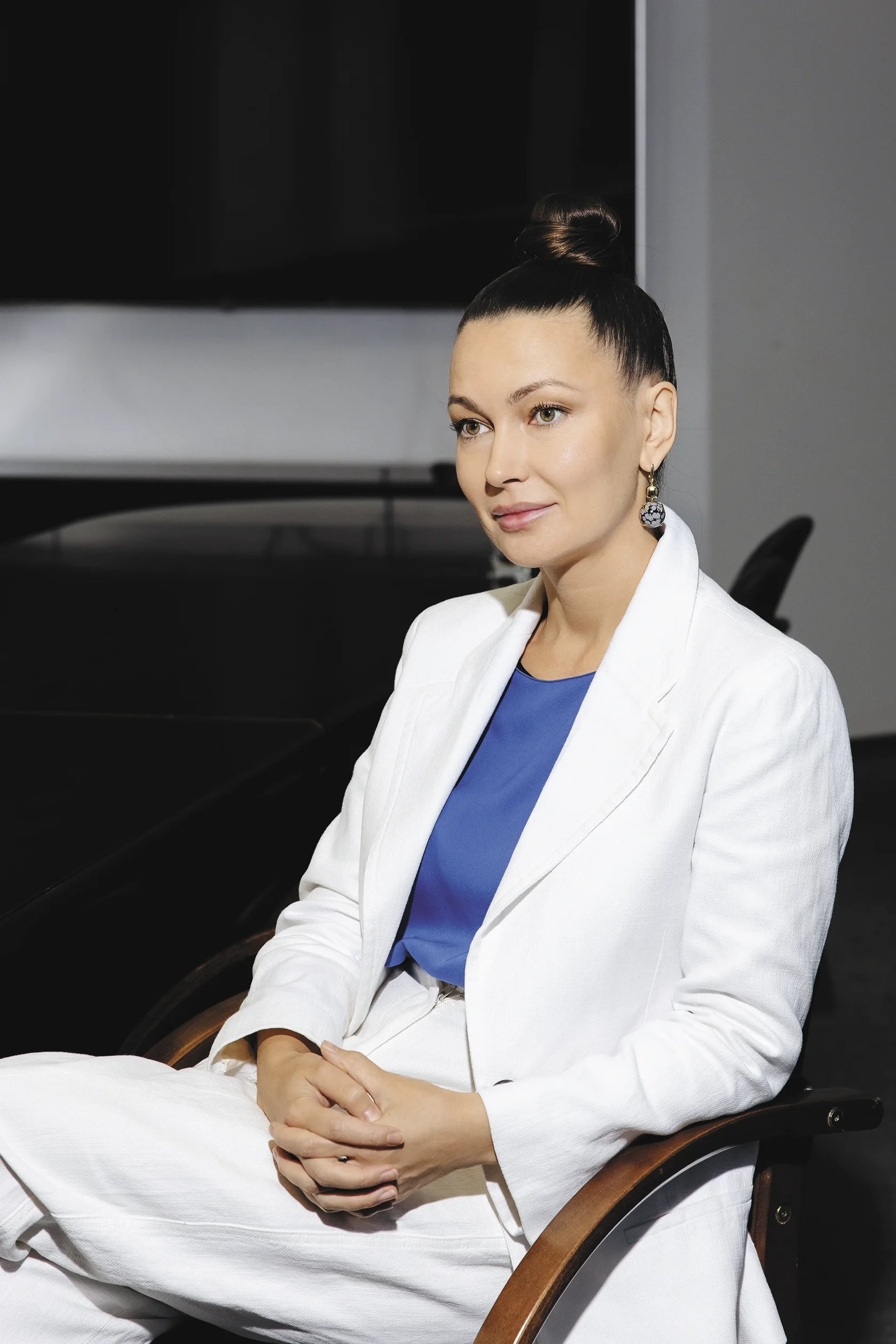
— Законодательная основа уже появилась. Каким должен быть следующий этап развития креативной экономики?
— Теперь стране нужна стратегия и, прежде всего, ясная цель. Мы развиваем креативные индустрии — чтобы что? Чтобы показать миру современный образ России? Диверсифицировать риски сырьевой экономики? Получить социальные эффекты? Создавать качественную коммуникацию, которая делает жизнь людей лучше?
Нельзя ограничиться целевым процентом в ВВП. Важно определить, какие задачи страна хочет решить с помощью креативных индустрий. В недавней Российской креативной неделе участвовали представители 16 стран, прошло более 60 открытых и закрытых стратегических сессий. Обсуждения показали: креативная экономика создаёт не только новые несырьевые доходы. Она производит смыслы, влияет на образ страны и на то, на каких героях, сюжетах и моделях поведения растут дети.
Поэтому следующая задача — не просто поддерживать отрасли, а научиться осознанно применять их как инструмент экономического, социального и территориального развития.
— Долю креативных индустрий планируется увеличить до 6% ВВП к 2030 году. Какими показателями, кроме выручки, нужно измерять зрелость сектора?
— Экономические показатели — только один слой. Конечно, нужно понимать, сколько зарабатывают кино, музыка, книгоиздание и другие отрасли, как работает статистика и защищается авторское право. Но есть и социальный слой: какие ценности несёт продукт, как он влияет на человека, туризм и развитие территории.
Есть пространственный слой. Города индустриальной эпохи создавались под другой образ жизни. В креативной экономике люди иначе работают, производят и продают продукты; им нужна другая инфраструктура, другие общественные пространства, цифровая связность. Это требует пересмотра мастер-планов.
Есть научный слой: необходимы новые исследования, дисциплины, кафедры и методики. Наконец, есть управленческий слой — новые способы руководить бизнесом, городом, регионом и страной.
Масштаб изменений не должен пугать. Так происходит обычная эволюция общества: меняется действительность, затем под неё перестраиваются институты, возникает новая терминология, научные дисциплины, законы и нормы. Вопрос не в том, сохранится ли креативная экономика, а в том, получит ли страна от неё быстрый системный эффект или развитие останется разрозненным. Будет ли креативный бизнес помогать решать общественные задачи — или ограничится производством востребованных, но бесполезных продуктов.
— Креативная экономика — это только 16 отраслей или она меняет и традиционные секторы?
— Существуют два подхода. Европейский в большей степени смотрит на отдельные отрасли: кино, музыку, дизайн и так далее. Азиатский подход оценивает долю профессиональной креативной деятельности во всех секторах экономики.
Возьмём любой завод. Если на нём есть сильные специалисты по исследованиям и разработкам, маркетингу, брендингу и ИТ, капитализация и конкурентоспособность его продукции растут. То же самое в сельском хозяйстве: сложно повысить маржинальность без качественного бренда, упаковки, цифровых инструментов и коммуникации.
Поэтому можно измерять показатели 16 отраслей, закреплённых в законе. А можно смотреть шире — на то, как креативные специалисты и продукты увеличивают стоимость продукции во всей экономике. Именно этот сквозной эффект и формирует новый тип экономики.
— А как креативная экономика может взаимодействовать с экологической повесткой?
— Тезис о том, что креативные индустрии способны продвигать экологическую повестку, за последние годы стал почти обязательным пунктом наравне с темами про «мягкую силу» и «капитализацию территорий». Проблема в том, что за этим тезисом редко стоит разбор механизма: как именно дизайн, кино или медиа-арт влияют на экологическую повестку с измеримыми эффектами.
Креативные индустрии действительно умеют через разные форматы переупаковывать экологические проекты в понятные для массовой аудитории темы. Арт, кино, экопросветительские инсталляции на фестивалях, дизайн упаковки — всё это снижает порог входа в тему для человека.
Но именно здесь чаще всего происходит подмена: экологическая повестка становится не содержанием, а стилем. Капсульная коллекция «из переработанных материалов» тиражом в несколько сотен единиц, инсталляция на один сезон фестиваля — это понятные форматы через культуру, когда индустрия присваивает себе символический капитал темы без изменения производственных практик.
Приведу другой пример — первая международная биеннале экологического искусства, которая проходила в Нижнем Новгороде в прошлом году. Команда стала победителем Российской национальной премии в сфере креативных индустрий в номинации «Креативное событие». Биеннале объединила более 100 современных художников из разных стран мира. Через инсталляции, фотографии и скульптуры они поднимали вопросы ответственного отношения к природе, влияния экологических проблем на человека, пользы или вреда современных технологий. Мы видим, как сегодня тема экологии стала одной из самых важных не только в глобальной общественной повестке, но и на международной арт-сцене. Биеннале экологического искусства — одна из самых крупных инициатив не только в России, но и в мире.
Другой важный уровень: архитектура и урбанистика. Ревитализация промышленных территорий под креативные кластеры — это одновременно креативная экономика и косвенный экологический эффект: вторичное использование городской инфраструктуры вместо нового строительства, снижение нагрузки на периферийные территории.
В России ежегодно представляют ЭКГ-рейтинг — комплексную оценку «здоровья» бизнеса, направленную на определение уровня благонадёжности, социальной и экологической ответственности. Мы с коллегами обсуждаем включение показателей по креативным индустриям в этот рейтинг, что принципиально важно: деловая репутация современного бизнеса определяется не только экологической ответственностью и кадровой политикой, но и способностью компании создавать интеллектуальную, культурную и ценностную добавленную стоимость.
Наличие у компании креативной стратегии, инвестиций в креативные продукты, партнёрств с локальными креативными сообществами, вклада в развитие городской среды и культурной идентичности региона должно рассматриваться как самостоятельный репутационный актив. Креативная экономика способна быть проводником экологической повестки там, где индустрия меняет собственные производственные основания или встраивается в институциональную рамку с измеримыми критериями.
— Какую задачу вы ставите перед собой и своим институтом на ближайшие годы?
— Я вижу свою задачу в том, чтобы при развитии креативной экономики совершалось меньше ошибок. Нужно повышать качество аналитики и методологии, переводить модную тему в полноценное научное знание, поддерживать исследования, диссертации и учебные пособия.
Важно научить управленческие команды не путать креативность как навык с креативными индустриями, а современный культурный код — с ремеслом и наследием. Культурный код нужно изучать как сегодняшний сценарий жизни человека и понимать, как с помощью креативных продуктов этот сценарий можно менять к лучшему.
Креативные индустрии способны сделать заметной практически любую тему, придать ей смысл и донести её до миллионов людей. Именно поэтому они одновременно прекрасны и опасны. От качества людей, которые владеют этим инструментом, зависит, какие экономические и социальные эффекты получит страна.
— Теперь стране нужна стратегия и, прежде всего, ясная цель. Мы развиваем креативные индустрии — чтобы что? Чтобы показать миру современный образ России? Диверсифицировать риски сырьевой экономики? Получить социальные эффекты? Создавать качественную коммуникацию, которая делает жизнь людей лучше?
Нельзя ограничиться целевым процентом в ВВП. Важно определить, какие задачи страна хочет решить с помощью креативных индустрий. В недавней Российской креативной неделе участвовали представители 16 стран, прошло более 60 открытых и закрытых стратегических сессий. Обсуждения показали: креативная экономика создаёт не только новые несырьевые доходы. Она производит смыслы, влияет на образ страны и на то, на каких героях, сюжетах и моделях поведения растут дети.
Поэтому следующая задача — не просто поддерживать отрасли, а научиться осознанно применять их как инструмент экономического, социального и территориального развития.
— Долю креативных индустрий планируется увеличить до 6% ВВП к 2030 году. Какими показателями, кроме выручки, нужно измерять зрелость сектора?
— Экономические показатели — только один слой. Конечно, нужно понимать, сколько зарабатывают кино, музыка, книгоиздание и другие отрасли, как работает статистика и защищается авторское право. Но есть и социальный слой: какие ценности несёт продукт, как он влияет на человека, туризм и развитие территории.
Есть пространственный слой. Города индустриальной эпохи создавались под другой образ жизни. В креативной экономике люди иначе работают, производят и продают продукты; им нужна другая инфраструктура, другие общественные пространства, цифровая связность. Это требует пересмотра мастер-планов.
Есть научный слой: необходимы новые исследования, дисциплины, кафедры и методики. Наконец, есть управленческий слой — новые способы руководить бизнесом, городом, регионом и страной.
Масштаб изменений не должен пугать. Так происходит обычная эволюция общества: меняется действительность, затем под неё перестраиваются институты, возникает новая терминология, научные дисциплины, законы и нормы. Вопрос не в том, сохранится ли креативная экономика, а в том, получит ли страна от неё быстрый системный эффект или развитие останется разрозненным. Будет ли креативный бизнес помогать решать общественные задачи — или ограничится производством востребованных, но бесполезных продуктов.
— Креативная экономика — это только 16 отраслей или она меняет и традиционные секторы?
— Существуют два подхода. Европейский в большей степени смотрит на отдельные отрасли: кино, музыку, дизайн и так далее. Азиатский подход оценивает долю профессиональной креативной деятельности во всех секторах экономики.
Возьмём любой завод. Если на нём есть сильные специалисты по исследованиям и разработкам, маркетингу, брендингу и ИТ, капитализация и конкурентоспособность его продукции растут. То же самое в сельском хозяйстве: сложно повысить маржинальность без качественного бренда, упаковки, цифровых инструментов и коммуникации.
Поэтому можно измерять показатели 16 отраслей, закреплённых в законе. А можно смотреть шире — на то, как креативные специалисты и продукты увеличивают стоимость продукции во всей экономике. Именно этот сквозной эффект и формирует новый тип экономики.
— А как креативная экономика может взаимодействовать с экологической повесткой?
— Тезис о том, что креативные индустрии способны продвигать экологическую повестку, за последние годы стал почти обязательным пунктом наравне с темами про «мягкую силу» и «капитализацию территорий». Проблема в том, что за этим тезисом редко стоит разбор механизма: как именно дизайн, кино или медиа-арт влияют на экологическую повестку с измеримыми эффектами.
Креативные индустрии действительно умеют через разные форматы переупаковывать экологические проекты в понятные для массовой аудитории темы. Арт, кино, экопросветительские инсталляции на фестивалях, дизайн упаковки — всё это снижает порог входа в тему для человека.
Но именно здесь чаще всего происходит подмена: экологическая повестка становится не содержанием, а стилем. Капсульная коллекция «из переработанных материалов» тиражом в несколько сотен единиц, инсталляция на один сезон фестиваля — это понятные форматы через культуру, когда индустрия присваивает себе символический капитал темы без изменения производственных практик.
Приведу другой пример — первая международная биеннале экологического искусства, которая проходила в Нижнем Новгороде в прошлом году. Команда стала победителем Российской национальной премии в сфере креативных индустрий в номинации «Креативное событие». Биеннале объединила более 100 современных художников из разных стран мира. Через инсталляции, фотографии и скульптуры они поднимали вопросы ответственного отношения к природе, влияния экологических проблем на человека, пользы или вреда современных технологий. Мы видим, как сегодня тема экологии стала одной из самых важных не только в глобальной общественной повестке, но и на международной арт-сцене. Биеннале экологического искусства — одна из самых крупных инициатив не только в России, но и в мире.
Другой важный уровень: архитектура и урбанистика. Ревитализация промышленных территорий под креативные кластеры — это одновременно креативная экономика и косвенный экологический эффект: вторичное использование городской инфраструктуры вместо нового строительства, снижение нагрузки на периферийные территории.
В России ежегодно представляют ЭКГ-рейтинг — комплексную оценку «здоровья» бизнеса, направленную на определение уровня благонадёжности, социальной и экологической ответственности. Мы с коллегами обсуждаем включение показателей по креативным индустриям в этот рейтинг, что принципиально важно: деловая репутация современного бизнеса определяется не только экологической ответственностью и кадровой политикой, но и способностью компании создавать интеллектуальную, культурную и ценностную добавленную стоимость.
Наличие у компании креативной стратегии, инвестиций в креативные продукты, партнёрств с локальными креативными сообществами, вклада в развитие городской среды и культурной идентичности региона должно рассматриваться как самостоятельный репутационный актив. Креативная экономика способна быть проводником экологической повестки там, где индустрия меняет собственные производственные основания или встраивается в институциональную рамку с измеримыми критериями.
— Какую задачу вы ставите перед собой и своим институтом на ближайшие годы?
— Я вижу свою задачу в том, чтобы при развитии креативной экономики совершалось меньше ошибок. Нужно повышать качество аналитики и методологии, переводить модную тему в полноценное научное знание, поддерживать исследования, диссертации и учебные пособия.
Важно научить управленческие команды не путать креативность как навык с креативными индустриями, а современный культурный код — с ремеслом и наследием. Культурный код нужно изучать как сегодняшний сценарий жизни человека и понимать, как с помощью креативных продуктов этот сценарий можно менять к лучшему.
Креативные индустрии способны сделать заметной практически любую тему, придать ей смысл и донести её до миллионов людей. Именно поэтому они одновременно прекрасны и опасны. От качества людей, которые владеют этим инструментом, зависит, какие экономические и социальные эффекты получит страна.