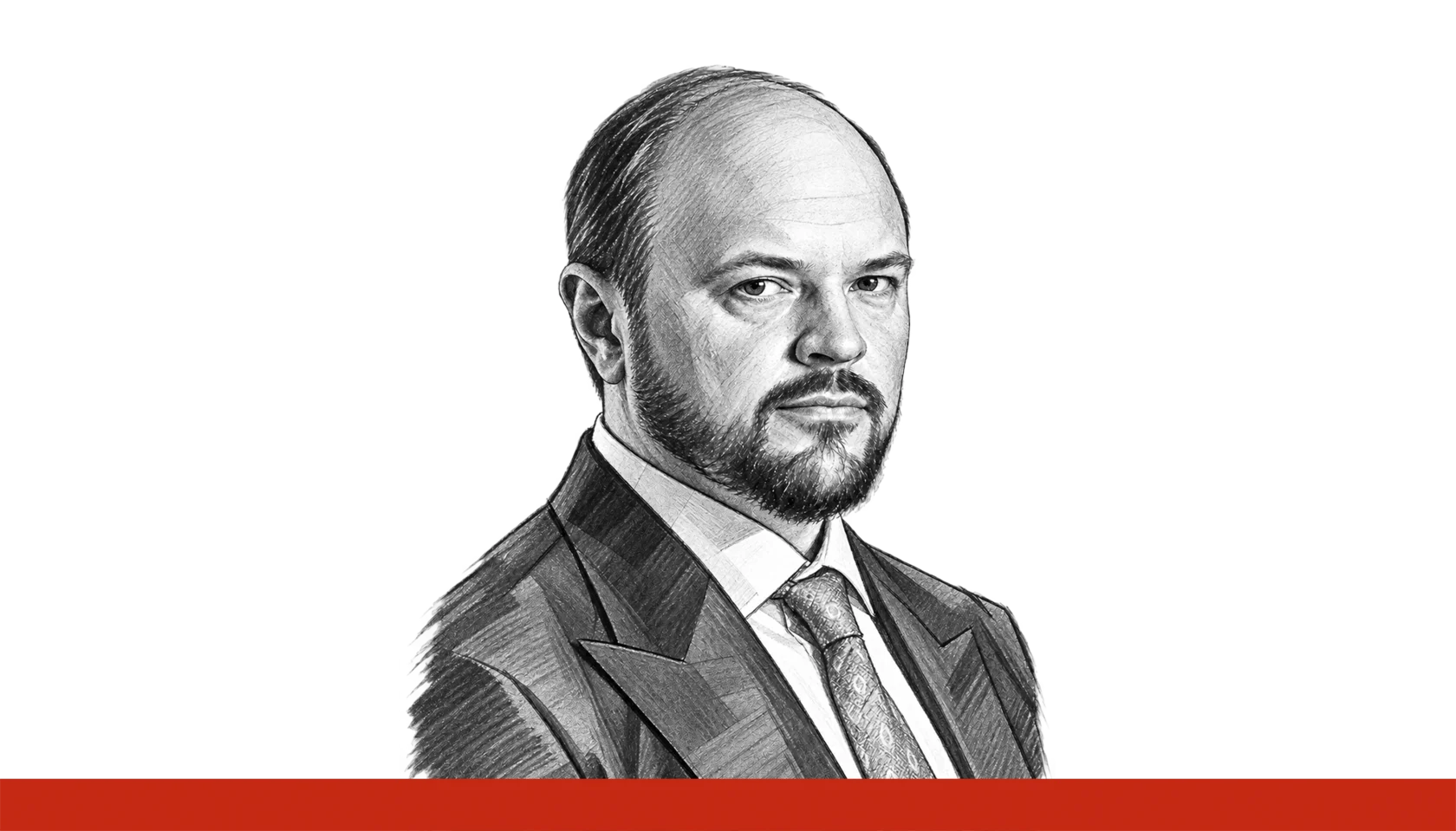
Andrei Guryev, Head of the Russian side of the BRICS Business Council, President of the Russian Association of Fertilizer Producers
BRICS is usually discussed in the language of big numbers: share of the world economy, population, resources, industrial output. But for business, BRICS's opportunities are measured, first and foremost, by practical answers: where to find a partner, how to arrange payments and deliveries, who can support a project, and how to remove a regulatory, financial, or logistical barrier.
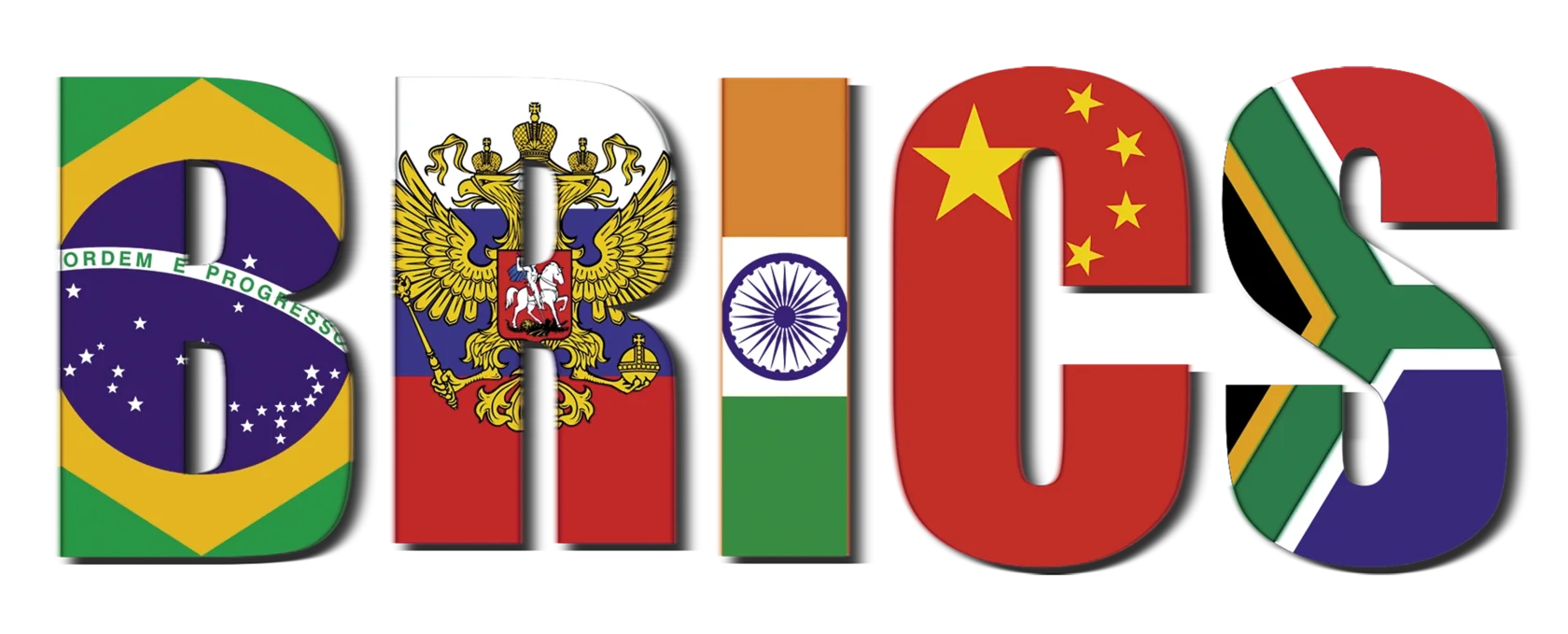
Today, BRICS brings together 11 states that account for about 49.5% of the world's population, roughly 40% of global GDP by purchasing power parity, and 26% of world trade. Set against the current size of the world's population, this is a bloc of around 4.1 billion people, with an economy, measured by PPP, of roughly $90 trillion in international dollars. And its scale isn't defined by the number of members alone: according to IMF estimates for 2026, China, India, and Russia rank first, third, and fourth, respectively, among the world's largest economies by PPP, with Indonesia seventh and Brazil eighth; these five countries alone account for about 36.6% of global GDP by PPP. In other words, BRICS is no longer simply a group of large developing states — it is nearly half of humanity and one of the largest economic blocs in the world.
But BRICS's potential extends well beyond its formal boundaries. Around the 11 members, an official circle of 10 partner countries has already taken shape (BRICS+) — Belarus, Bolivia, Cuba, Kazakhstan, Malaysia, Nigeria, Thailand, Uganda, Uzbekistan, and Vietnam — which take part in BRICS events and in specific formats of cooperation; beyond that circle, a wider group of states remains interested in further rapprochement with the grouping. Counting current members together with official partners, BRICS+ already comes to 21 states, around 56% of the world's population — roughly 4.6 billion people — and an estimated 45% of the global economy by PPP, or about $100 trillion in international dollars. In other words, the shift from the formal BRICS grouping to the real BRICS+ footprint adds roughly half a billion people and about $10 trillion in economic scale, without even counting the states that are merely considering joining or expanding their participation in specific mechanisms. For business, then, BRICS+ should be treated not as some hypothetical future expansion, but as an already-forming space of markets, resources, partners, and cooperation opportunities — one considerably larger than the grouping's formal membership.
BRICS's economic scale is already obvious. The next task is to turn that scale into a space of concrete opportunities for companies. Our task is to make the path from business interest to an actual project shorter, clearer, and more reliable.
But BRICS's potential extends well beyond its formal boundaries. Around the 11 members, an official circle of 10 partner countries has already taken shape (BRICS+) — Belarus, Bolivia, Cuba, Kazakhstan, Malaysia, Nigeria, Thailand, Uganda, Uzbekistan, and Vietnam — which take part in BRICS events and in specific formats of cooperation; beyond that circle, a wider group of states remains interested in further rapprochement with the grouping. Counting current members together with official partners, BRICS+ already comes to 21 states, around 56% of the world's population — roughly 4.6 billion people — and an estimated 45% of the global economy by PPP, or about $100 trillion in international dollars. In other words, the shift from the formal BRICS grouping to the real BRICS+ footprint adds roughly half a billion people and about $10 trillion in economic scale, without even counting the states that are merely considering joining or expanding their participation in specific mechanisms. For business, then, BRICS+ should be treated not as some hypothetical future expansion, but as an already-forming space of markets, resources, partners, and cooperation opportunities — one considerably larger than the grouping's formal membership.
BRICS's economic scale is already obvious. The next task is to turn that scale into a space of concrete opportunities for companies. Our task is to make the path from business interest to an actual project shorter, clearer, and more reliable.
A New Stage in Russia's Work
In late December 2025, the President of the Russian Federation appointed me head of the Russian side of the BRICS Business Council. In February 2026, the National Committee for Business Cooperation within BRICS was established, headed by Maxim Stanislavovich Oreshkin, and I became its Deputy Chairman — Executive Secretary.
The Russian side of the Business Council shapes and advances the business agenda. The National Committee provides the interagency level for issues that can't be resolved between companies alone. Business is responsible for the project; the state is responsible for regulation and conditions. The Business Council connects these two levels without substituting for either.
Most real projects develop between specific countries and specific companies. Business doesn't enter some abstract BRICS market. It works with a specific country — with that country's rules, priorities, and business culture. That's why the general agenda has to be complemented by ongoing bilateral work.
The Russian side of the Business Council shapes and advances the business agenda. The National Committee provides the interagency level for issues that can't be resolved between companies alone. Business is responsible for the project; the state is responsible for regulation and conditions. The Business Council connects these two levels without substituting for either.
Most real projects develop between specific countries and specific companies. Business doesn't enter some abstract BRICS market. It works with a specific country — with that country's rules, priorities, and business culture. That's why the general agenda has to be complemented by ongoing bilateral work.
Bilateral Councils as Working Bridges
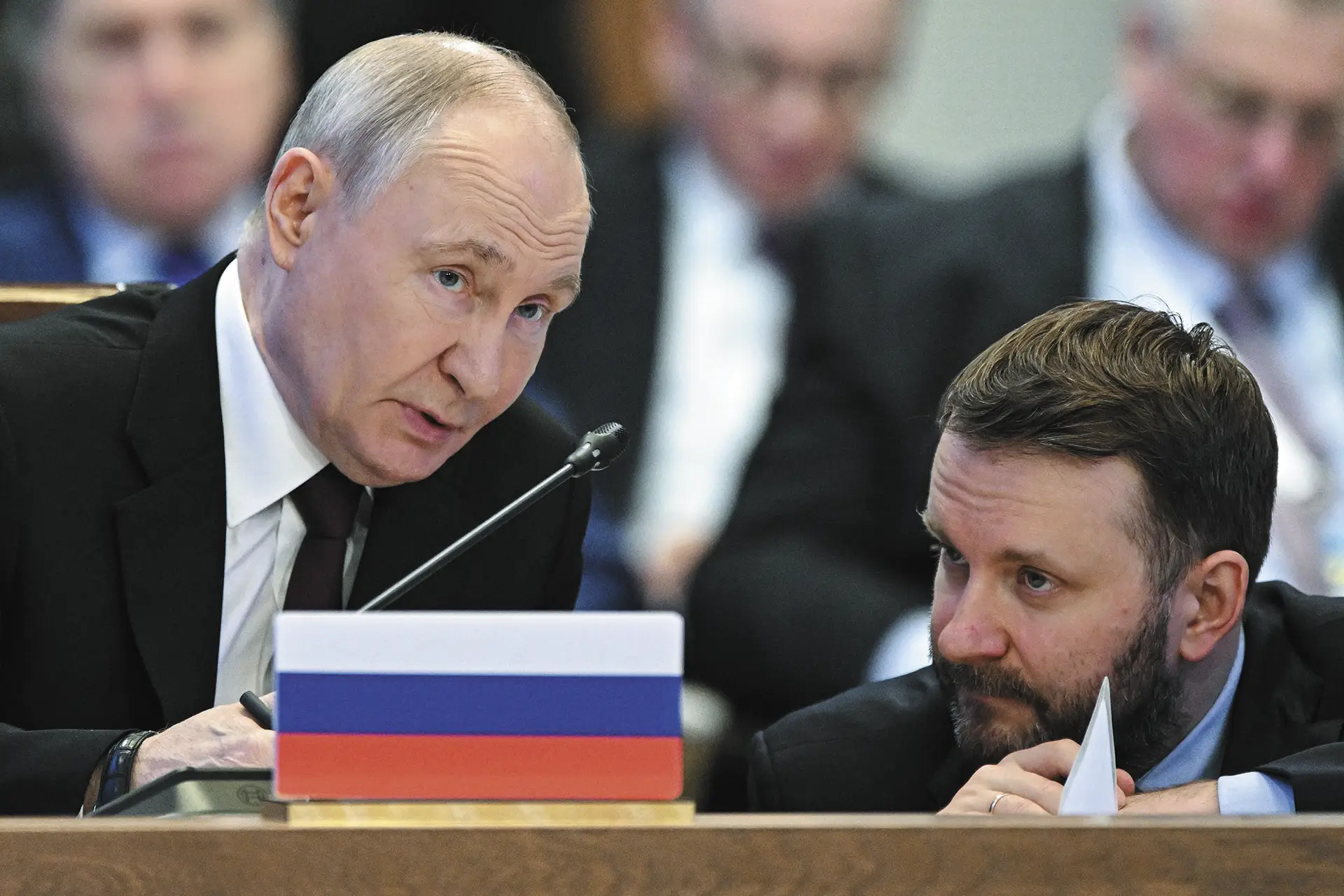
Bilateral business councils can become permanent working bridges between the business communities of two countries. At the center of their work should be a country-specific portfolio of interests: who is looking for buyers, suppliers, investors, or technology partners; what the partner country's business sector has to offer; and where joint ventures and localization are possible.
It matters to us to understand not just Russian offers, but the demand coming from the other side too. Sustainable cooperation begins with understanding what a partner actually needs.
The same goes for business missions: their value depends on the quality of preparation and follow-through. Every substantive meeting needs a sequel — a defined subject of work, people responsible for it, and a next step.
It matters to us to understand not just Russian offers, but the demand coming from the other side too. Sustainable cooperation begins with understanding what a partner actually needs.
The same goes for business missions: their value depends on the quality of preparation and follow-through. Every substantive meeting needs a sequel — a defined subject of work, people responsible for it, and a next step.
From an Industry Agendа to Country-Level Delivery
The bulk of the Business Council's substantive work runs through nine tracks: aviation; agribusiness; the digital economy and artificial intelligence; energy, the green economy, and climate; financial services; infrastructure; industry and manufacturing; skills development, applied technologies, and innovation; and trade and investment.
The point of renewing the working groups isn't formal rotation. They need to include entrepreneurs, investors, and company executives who can not only identify a problem, but help solve it.
The working groups identify barriers, gather proposals, and prepare projects. Country-level delivery then follows: a working group defines the content of a project, and a bilateral council helps adapt it to the market and connect with local participants.
This forms a chain: Russian business — working group — bilateral council — foreign partner — the relevant institutions of both states.
Not every issue requires government intervention. A commercial contact can be arranged directly; an investment project may need banks and development institutions; a regulatory issue may need the relevant government bodies or intergovernmental commissions (IGCs). For every initiative, what matters is finding not the most elaborate route to a solution, but the most effective one.
The point of renewing the working groups isn't formal rotation. They need to include entrepreneurs, investors, and company executives who can not only identify a problem, but help solve it.
The working groups identify barriers, gather proposals, and prepare projects. Country-level delivery then follows: a working group defines the content of a project, and a bilateral council helps adapt it to the market and connect with local participants.
This forms a chain: Russian business — working group — bilateral council — foreign partner — the relevant institutions of both states.
Not every issue requires government intervention. A commercial contact can be arranged directly; an investment project may need banks and development institutions; a regulatory issue may need the relevant government bodies or intergovernmental commissions (IGCs). For every initiative, what matters is finding not the most elaborate route to a solution, but the most effective one.
IGCs and State Mechanisms Should Receive Fully Prepared Questions
Only fully prepared business questions should be brought to the intergovernmental level — with a clearly defined problem, a proposed solution, and an expected result. This applies to technical requirements, payments and insurance, support for large projects, and other issues that cannot be resolved within the business sphere alone.
Bilateral councils, together with the working groups, can prepare such proposals for the IGCs. The reverse route matters just as much: intergovernmental agreements need to be linked to specific companies and projects.
It makes sense to bring in federal agencies, banks, export agencies, insurers, and development institutions as early as the stage when major projects are being shaped. Our job is not to multiply mechanisms, but to bring the capabilities of existing institutions together around specific business projects.
Bilateral councils, together with the working groups, can prepare such proposals for the IGCs. The reverse route matters just as much: intergovernmental agreements need to be linked to specific companies and projects.
It makes sense to bring in federal agencies, banks, export agencies, insurers, and development institutions as early as the stage when major projects are being shaped. Our job is not to multiply mechanisms, but to bring the capabilities of existing institutions together around specific business projects.
Projects That Build Economic Ties
At the center of the Russian agenda should be projects with clear economics and the potential to scale. Exporting Russian products, equipment, technology, and services remains a priority. But imports of the raw materials, components, equipment, and technological solutions Russia needs also matter.
Joint ventures, production localization, technology consortiums, investment, and long-term supply programs are of particular interest. The work shouldn't be limited to the largest corporations: a company's international potential is defined not just by its size, but by the quality of its technology, its team, and its readiness to scale.
Projects capable of growing from a single deal into a lasting chain of cooperation create particular value.
Joint ventures, production localization, technology consortiums, investment, and long-term supply programs are of particular interest. The work shouldn't be limited to the largest corporations: a company's international potential is defined not just by its size, but by the quality of its technology, its team, and its readiness to scale.
Projects capable of growing from a single deal into a lasting chain of cooperation create particular value.
Ongoing Work With Partners
Cooperation requires a steady working rhythm: exchanging project requests, holding consultations, arranging meetings between companies, and following up on agreements.
Every country needs a practical map of engagement: priorities, key industries, business associations, development institutions, companies, projects, and barriers. This isn't analysis for its own sake — it's a tool for preparing decisions.
Embassies, trade missions, industry associations, and regional institutions can help with the local business environment and contacts. But companies remain the main players.
Every country needs a practical map of engagement: priorities, key industries, business associations, development institutions, companies, projects, and barriers. This isn't analysis for its own sake — it's a tool for preparing decisions.
Embassies, trade missions, industry associations, and regional institutions can help with the local business environment and contacts. But companies remain the main players.
New Delhi as the Point of Convergence
The next major milestone is the events in New Delhi in September. It's important to approach them with a prepared portfolio of business interests and a structured schedule of meetings with partners.
The key question isn't how many companies will be in the delegation, but exactly what they will bring with them and who they will be negotiating with.
The working groups need to put together sector-specific proposals, the bilateral councils need to produce country-level project linkages, and the IGCs and government bodies need to receive the questions that require their involvement.
Not every project has to end with a signed agreement during the forum or summit. International cooperation takes time. But every substantive meeting should generate a next step: specific participants, a defined subject of work, and responsible parties.
The key question isn't how many companies will be in the delegation, but exactly what they will bring with them and who they will be negotiating with.
The working groups need to put together sector-specific proposals, the bilateral councils need to produce country-level project linkages, and the IGCs and government bodies need to receive the questions that require their involvement.
Not every project has to end with a signed agreement during the forum or summit. International cooperation takes time. But every substantive meeting should generate a next step: specific participants, a defined subject of work, and responsible parties.
A Result That Can Be Measured
Public communication is necessary, but it has to reflect real processes and real results. The number of meetings, sessions, and declarations of intent cannot, on its own, be the measure of effectiveness.
A result is a contract, an investment decision, a joint venture, localized production, a stable supply route, financing secured, a partner found, or a systemic barrier removed.
BRICS already has the economic scale it needs. What matters more and more now is the quality and density of the ties among the companies, regions, and institutions of the member countries.
The Russian side of the Business Council should become a working point of convergence for the national business agenda. The bilateral councils should become practical bridges to specific countries. The working groups should become the source of industry-specific content. The National Committee, the IGCs, government agencies, and development institutions should become the mechanisms for resolving systemic issues.
But business remains the main engine driving this whole system.
Our task is to help Russian companies find strong partners, see the opportunities coming from the other side, and turn BRICS's potential into projects with a concrete economic outcome.
A result is a contract, an investment decision, a joint venture, localized production, a stable supply route, financing secured, a partner found, or a systemic barrier removed.
BRICS already has the economic scale it needs. What matters more and more now is the quality and density of the ties among the companies, regions, and institutions of the member countries.
The Russian side of the Business Council should become a working point of convergence for the national business agenda. The bilateral councils should become practical bridges to specific countries. The working groups should become the source of industry-specific content. The National Committee, the IGCs, government agencies, and development institutions should become the mechanisms for resolving systemic issues.
But business remains the main engine driving this whole system.
Our task is to help Russian companies find strong partners, see the opportunities coming from the other side, and turn BRICS's potential into projects with a concrete economic outcome.