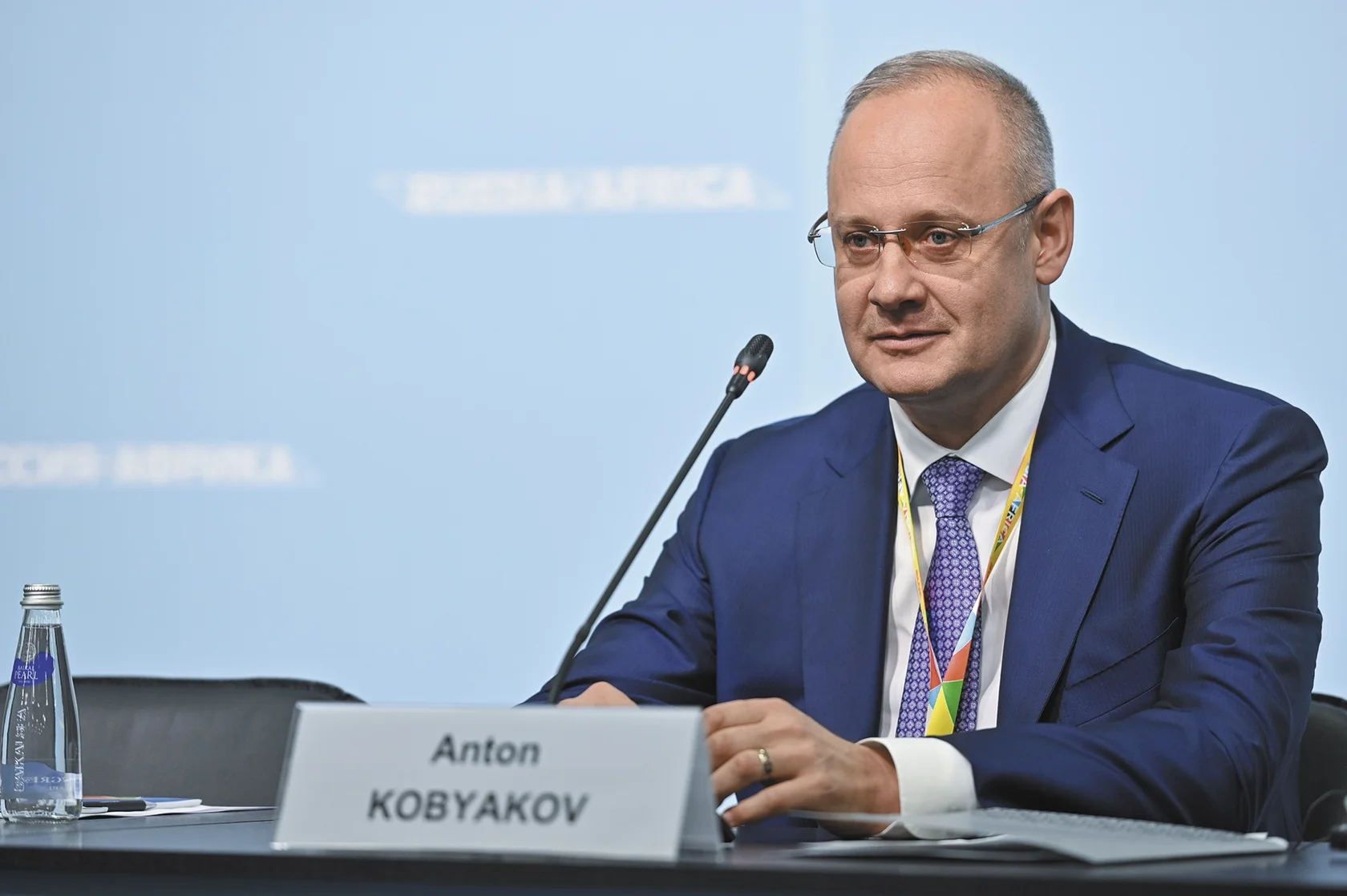
Масштабный проект Фонда Росконгресс — Восточный экономический форум (ВЭФ), который ежегодно собирает тысячи участников и является важнейшей площадкой для обсуждения дальнейших планов по развитию регионов Дальнего Востока и АЗРФ. Какие ожидания от форума в этом году? Какие вопросы станут ключевыми и какой эффект ожидаете от их обсуждения? Ждёте ли увеличения числа участников, в частности из иностранных государств?
— В этом году главный девиз форума — «Дальний Восток — развитие во благо людей». Масштабы нашей страны особенно ощущаются на Дальнем Востоке. И этот регион требует к себе сегодня особого внимания. АТР сегодня — центр мировой экономики. Это уже признают все. Поэтому Дальний Восток должен стать главными экспортно-импортными воротами России, ключевым торгово-логистическим хабом и территорией опережающего развития во всех смыслах этого слова. Но экономика — это прежде всего люди. Технологии, методы производства, цифровые инструменты, логистика и инновационная продукция обретают смысл лишь тогда, когда напрямую влияют на качество жизни и благополучие граждан.
Все тематические блоки деловой программы форума выстроены именно вокруг этой философии. «Жить и работать на Дальнем Востоке», «Механизмы привлечения частных инвестиций», «Логистика и инфраструктура для роста экономики», «Технологии настоящего и будущего». Очень большая международная повестка — это ряд сессий, собранных в блок «Дальний Восток — полюс международного взаимодействия». Вот это все ключевые темы.
Всего запланировано более 70 сессий. Кроме того, пройдёт много сопутствующих мероприятий: Форум креативных индустрий, Молодёжный форум «День будущего», Международный форум «День сокола», Форум МСП. Важное место займут бизнес-диалоги с предпринимателями из Китая, Индии, Объединённых Арабских Эмиратов, Монголии, Вьетнама и стран АСЕАН.
Конечно, отдельно всегда особое внимание уделяется и приковано к выступлению на пленарном заседании Президента России. Следите за этим. Будет много важных заявлений. И, конечно, за выступлением главы государства рекомендуется следить Западу.
— Есть ли интерес иностранных компаний из недружественных стран участвовать в ВЭФ? Если да, то какие страны, какие компании?
— Интерес традиционно большой. Прежде всего, это страны АТР, среди них есть и формально недружественные. Хотя есть и европейские бизнесмены и компании.
Конкретные цифры и факты по отдельным бизнесменам, странам — вопрос условный.
Многие западные компании давно работают как российские. Часть бизнеса, по понятийным договорённостям со своими же правительствами, продолжает работу в России, стараясь не привлекать внимание русофобов этих стран. Часть стран, которые считаются недружественными, просто не могут в санкционном вопросе спорить с англосаксами. Они выступают в блоке недружественных, но по сути элементарно не имеют выбора.
— Можете ли Вы анонсировать прибытие каких‑либо именитых иностранных гостей на ВЭФ? Есть ли вероятность увидеть там делегацию
из Японии или представителей США?
— Как я уже отмечал выше, ВЭФ является заметным и важным событием в международной деловой повестке — участие в нём включается в графики высокопоставленных лиц, представители предпринимательского сообщества планируют встречи во Владивостоке. Интерес с каждым годом только растёт. Напомню, в 2025 году в Форуме приняли участие порядка 8 000 человек из 75 стран и территорий. ВЭФ этого года вновь соберёт большое количество представителей бизнеса и власти из других стран. Уже подтверждено участие делегаций из Японии, Китая, Бангладеша, Индии, ОАЭ и других. Этот список неокончательный — традиционно подведём итоги уже по завершении форума.
— Петербургский международный экономический форум (ПМЭФ), безусловно, можно назвать самым масштабным мероприятием, организатором которого выступает Фонд Росконгресс. В этом году впервые за последние несколько лет в ПМЭФ участие приняла делегация из США. Как Вы считаете, в чём успех ПМЭФ и благодаря каким успешным практикам удаётся привлекать всё больше и больше участников ежегодно?
— Это всегда сочетание ряда факторов: правильная организация и продвижение, но также интерес к стране и её глобальной повестке. Можно ли себе представить в целом хорошо организованное мероприятие в другой стране? Конечно. Но трудно себе представить, чтобы такой интерес, как к ПМЭФ, возник сегодня к форуму подобной направленности в Западной Европе и даже в США. Скажем, Давос посетили гости — 130 стран — это география скромнее, чем у ПМЭФ. Хотя позиционирует себя Давос как самое главное деловое и медийное событие в мире.
Правильный форум — это всегда сочетание ряда факторов. В частности, ПМЭФ это:
• Интересная программа. Нет важных тем в мире, которые бы не обсуждались в рамках деловой программы на ПМЭФ. И это очень кропотливая и трудная работа — правильно сформулировать глобальную повестку.
• Интересные спикеры, участники, гости форума.
• Отдельным важным фактором успеха и интереса к форуму является пленарная сессия с участием Президента России и лидеров других государств. Выступления нашего Президента всегда ждёт весь мир — его слова обычно главные новости во многих странах. А лидеры других стран не просто так едут в Россию, участвуют в работе ПМЭФ — для них и их стран это важно, престижно.
• ПМЭФ и ВЭФ — место для диалога бизнеса и власти. И это не пустые слова. Нужного чиновника или министра предприниматель, как правило, может свободно встретить на форуме, пообщаться с ним, даже если на бегу, всё равно, привлечь внимание к своему вопросу, предложению или проблеме. Часто люди всего за несколько дней ПМЭФ или ВЭФ умудряются провести столько полезных встреч, сколько в обычной жизни, даже в Москве, они не проводят и за полгода.
• Компании имеют возможность представить свою продукцию, рассказать о себе, поставив стенд.
• Для медиа это удобный и концентрированный доступ к интересующим их деловым персонам. А также масса тем, новостей и событий — топовый контент.
• Форум — это отражение экономики страны. За несколько дней вы как бы погружаетесь и в ее проблемы, и в успехи. Видите, как к ней относятся другие страны.
Список можно продолжать. Но важно сказать другое. Всё вышеперечисленное требует правильной организации. Компетенции Росконгресса в этих вопросах уникальны. И это тоже составляющая успеха.
— В России сегодня активно развивается форумная деятельность, что позволяет в режиме диалога, даже скорее полилога, обсуждать важные для развития страны темы. Какие российские города считаете наиболее перспективными для проведения больших международных мероприятий?
— Давайте посмотрим на это иначе. Если регион хочет быть местом, где обсуждают, важные для развития страны и мира темы, в нём должна быть необходимая для этого инфраструктура. Как Олимпиада и Чемпионат мира по футболу, крупный форум требует условий, но и даёт в ответ хорошую отдачу. Конгрессно-выставочная деятельность — это же экономика региона. На 4–5 дней в город проведения форума приезжает весь цвет малого, среднего, крупного бизнеса страны, правительство, иностранные гости. А для местного бизнеса эти 4–5 дней обеспечивают порой 1–2 месячную выручку. Это и рестораны, и транспортные компании, и гостиницы, и многие другие субъекты малого и среднего бизнеса. Власти региона облагораживают и готовят город к приёму гостей. Т. е. регион или город должны понимать, для чего им нужен форум, что он даёт. Хотя важна и география. Странно было бы проводить Восточный форум, например, в Петербурге, а Арктический — в Сочи. В целом, многие города, прошедшие хорошую «школу» организации крупных международных мероприятий, потенциально готовы к проведению форума. А дальше уже — рабочие детали…
— В связи с усилением западных санкций не столкнулись ли в оргкомитетах традиционных международных событий, проходящих у нас в стране, с отказами иностранных предпринимателей от участия в предстоящей Российской энергетической неделе? Кто уже подтвердил участие из числа руководителей иностранных компаний? Будут ли представители из стран ЕС и из США?
— Мы давно для себя отметили, что западные санкции только повышают интерес к деловому общению представителей бизнеса, так как на тематических событиях друг с другом смогут встретиться руководители и представители компаний со своими визави из более чем 100 стран мира. Вспомните, как Госдеп ещё при Президенте Байдене рассылал по всему миру директивы не приезжать на Петербургский международный экономический форум. Это увеличило интерес к форуму кратно. Лучшей рекламы было не придумать. Это как охота за иностранными вещами в советские времена — чем сильнее запреты, тем престижнее привезти из-за границы. Теперь мы поменялись с ними местами. Попасть на форумы в России — становится важным и престижным вызовом для многих иностранцев.
Кое-что меняется и политически у крупных международных игроков. Так, Президент США Трамп летом сам направил на ПМЭФ‑2026 своего представителя. Это был председатель Комиссии США по изящным искусствам Родни Кук, как мы тогда отметили, это был изящный ход. Все понимают, что честный диалог нужен. Площадки Росконгресса — идеальное место для этого.
Другое дело — вопрос содержания такого диалога. Сегодня США — крупнейший производитель нефти в мире. И один из крупнейших экспортёров. Как они вышли на лидирующие места, все знают — это и технологическая революция в добыче, и геополитические акции.
Они развивают газовую отрасль, не забросили, в отличие от Европы, атомную энергетику. Очевидно, что это настолько важный игрок на энергетическом рынке, что с ним есть о чём разговаривать.
Европа хоть и добывает в Северном море нефть, но добыча падает. Газ они в основном импортируют. От атомной энергетики Европа практически отказалась. АЭС остались только во Франции, да ещё в паре восточноевропейских стран, где они появились благодаря нашей стране. Возобновляемые источники энергии? Сегодня лидерство в этом виде энергии перешло к Китаю… Поле для равноправного диалога в этом вопросе сильно сужается с Европой.
— Есть ли в планах обсуждение взаимодействия в рамках форумов с главой Американской ТПП в РФ и Ассоциации европейского бизнеса?
— Нам известно, что ТПП России, как и АСИ, на регулярной основе взаимодействуют с Американской ТПП в Российской Федерации, так как именно в результате этого взаимодействия при поддержке Фонда Росконгресс на прошедшем летом ПМЭФ было две сессии, посвящённых бизнес-диалогу США и России. В целом, представители европейских и американских бизнес-объединений и не прерывали контактов и работы с российским деловым сообществом. Как было сказано выше — это важный и эффективный канал диалога с бизнесом этих стран. Все это понимают.
— Сколько всего лидеров и глав правительств мы ожидаем на саммите Россия — Африка в октябре 2026 года? Будет ли у Президента РФ Владимира Путина марафон двусторонних встреч с главами делегаций? Что мы в целом ждём от этого саммита?
— Обращу Ваше внимание, что cаммит Россия — Африка уже в третий раз будет проходить в России (прим.: саммиты проходят с периодичностью раз в три года). В рамках встречи лидеров проходит Экономический и гуманитарный форум. Девизом форума в этом году будет «Вместе развиваем взаимовыгодное сотрудничество и потенциал каждой страны Африки». Мероприятие носит прикладной экономический характер, так как заключаются отраслевые соглашения и подводятся итоги реализации данных проектов.
Что мы ждём от саммита? Мы ждём углубления и упрочения отношений со странами африканского континента. Африка — большой рынок, нас там всегда ждали. Рады видеть и сегодня.
Отмечу колоссальный интерес российского бизнеса к сотрудничеству с Африкой.
Важно другое: традиционно наши африканские друзья видят в лице России ту силу, которая в сегодняшнем нестабильном мире ассоциируется с надёжностью и справедливостью. Это всегда взаимоотношения взаимовыгодные, прагматичные и честные. Россия не колонизировала Африку, не высасывала из неё ресурсы, не убивала миллионы беззащитных людей в рамках колониальной политики. Напротив, Россия несла культуру, науку, технологии молодым государствам континента. В период Холодной войны мы многим помогали бороться за независимость. Африканцы учились в наших лучших вузах. Сегодня мы вместе со многими странами континента готовы продолжать эти добрые традиции. В целом, это и есть повестка саммита.
— Валентина Матвиенко недавно указывала на чрезмерное количество форумов и предложила, во‑первых, сократить их количество, а, во‑вторых, многие перевести из ежегодного в более редкий формат. Её предложение поддержал Председатель Правительства России Михаил Мишустин. Услышано ли это предложение в Кремле? Есть ли «ревизионный» список форумов к настоящему моменту?
— Необходимо отметить, что большинство конгрессно-выставочных мероприятий в стране проводится в целях реализации национальных целей развития. Форумы играют важную роль в развитии диалога между государством, обществом и бизнесом. Это действенный канал, самостоятельный инструмент дипломатии «второго трека», коммуникации с внешним миром, и в целом эффективный механизм «мягкой силы». В результате организации мероприятий в стране ежегодно участвуют представители высокого уровня из более чем 160 государств.
Форумная активность привносит в информационное поле мощную позитивную повестку, даёт обществу картину того, что наше будущее в наших руках и усилия государства направлены на то, чтобы улучшить качество жизни граждан.
— Когда Россию «отлучили» от крупных международных культурных, спортивных и экономических мероприятий, таких как «Евровидение», Давосский форум, чемпионаты мира и даже Олимпиада, мы стали развивать свои альтернативы — «Интервидение», Игры БРИКС и так далее. Нужно ли идти и дальше в этом направлении или всё‑таки в приоритете возвращение нашего участия в уже устоявшихся международных форматах? Например, нужно ли нам возвращаться на «Евровидение»? И будет ли продолжаться «Интервидение», с учётом того, что о новом конкурсе давно ничего не слышно?
— Наш Президент дал исчерпывающие оценки этой ситуации. Для нас приоритет — сохранение и приумножение победных традиций национального спорта. Наши атлеты планомерно, шаг за шагом, возвращаются на мировую арену, доказывая своё мастерство делом. Уже 16 международных олимпийских федераций вернули россиянам право выступать с флагом и гимном. Показательно, что пальма первенства здесь принадлежит Международной федерации дзюдо — их решение было озвучено в прошлом году на форуме «Россия — спортивная держава», который эволюционирует в ключевую диалоговую площадку для всего мирового спортивного сообщества. В прошлом году в работе форума приняли участие руководители органов власти в сфере спорта и национальных олимпийских комитетов из 56 стран. Развитие международного сотрудничества в спорте также традиционно обсуждается на ПМЭФ и ВЭФ.
Что касается участия в различных культурных мероприятиях, многие из которых сегодня очень условно попадают под определение «культурных», то выскажу сугубо личную позицию.
Во-первых, участвовать в «Евровидении» сегодня стыдно. К искусству и культуре этот шабаш отношения не имеет. Это скорее зеркало, в котором отражается агония западноевропейской цивилизации. И вдвойне комично, что, захлопнув дверь перед Россией, организаторы всё равно продолжают протягивать руку за деньгами к нашим медиакорпорациям. Альтернативы вроде «Интервидения» сегодня не просто возможны — они востребованы. Слишком многие устали от той лицедейской наглости, которую демонстрируют учредители «Евровидения».
Во-вторых, мы, разумеется, полноценно вернёмся на Олимпиаду. Болельщикам же и стране важно, чтобы спортсмены помнили, что это не только «главные старты их жизни», но и прежде всего возможность достойно представлять Родину. При этом участие в Олимпиаде не мешает проведению Игр БРИКС. Точно так же вполне могут быть и Игры ШОС. Вопрос к календарю спортсменов и организационным возможностям стран.
В-третьих, формулировка, что Россию «отлучили» от мероприятий вроде Давоса, некорректна. Россия не участвует в официальной программе Всемирного экономического форума — это наш осознанный выбор. А нужен ли он нам сейчас? А для чего участвовать в работе структур, где твоё мнение не хотят учитывать. Даже желание туда попасть в нынешних условиях — это неуважение прежде всего к себе. Давосский форум — не Олимпиада и не «Евровидение». Быть или не быть там — только наш выбор.
Кроме того, Россия последовательно выстраивает многополярную архитектуру, в которой голос каждой державы весом и значим. Однако там, где наши интересы системно игнорируются, а аргументы не слышат, само присутствие теряет всякий смысл. Это не вопрос амбиций, а вопрос эффективности: ехать туда, где не готовы к равноправному разговору — значит, тратить ресурсы впустую. Решение остаётся за нами, и оно должно быть продиктовано не конъюнктурой, а стратегической целесообразностью.
— Сложно ли организовать приезд иностранцев из недружественных стран на мероприятия в Россию? Есть ли какой‑то положительный эффект от того, как они делятся впечатлениями о поездке у себя на родине — например, как это делали Такер Карлсон или Кэндис Оуэнс? Можно ли сказать, что западная пропаганда перестаёт работать, а тренд на очернение РФ идёт на спад?
— Представителей иностранных государств всегда очень много на наших традиционных площадках, Фонд Росконгресс регулярно рассказывает об этом на своих ресурсах и своевременно подводит итоги каждого мероприятия, организатором которого является.
В этом году на ПМЭФ приехали 24 500 участников из 142 стран. В мире, по версии ООН, 195 государств. То есть представители 3/4 всех стран мира стремятся в Россию на одно из главных деловых событий года. Сложно ли организовать приезд иностранных гостей? Скорее, сложно удовлетворить все заявки на участие. И это при том, что западная машина пропаганды имеет многочисленные и длинные щупальца.
Все знают, как сегодня работает западное информационное поле. Существуют крупные мировые СМИ — они формируют повестку, управляют ей. Часто новости выдумываются, вбрасываются нарочно. Потом часть из них опровергается, но принцип «ложечки нашлись, а осадок остался» — рабочий. Они работают по схеме: «вбросить дохлую кошку», и пусть её подбирают другие. Это «вечный двигатель», так их пропаганда будет работать всегда и на спад не пойдёт. Но данным механизмам нужно всегда противопоставлять свою контригру.
Такер Карлсон или Кэндис Оуэнс, когда рассказывают о России говорят ведь по сути очевидные вещи, но, получается, какое‑то «Открытие Америки»: что в России безопасно, что у нас надежный и чистый транспорт, а в магазинах выбор продуктов больше, чем иногда в американских. Это, конечно, дает эффект, точно так же, как даёт эффект общение людей на форуме, появление новых бизнес и дружеских контактов. Один из инструментов той самой «мягкой силы».
Конгрессно-выставочная деятельность и правильная работа в информационном поле в этом смысле создают кумулятивный эффект. Нужно упомянуть и другие инструменты Росконгресса как института развития. Это прежде всего наша аналитика. Росконгресс именно как «фабрика мысли» уже хорошо известен и китайским коллегам, и индийским, и арабским, и ряду европейских партнёров. Мы предлагаем новые смыслы, делаем прогнозы, точность которых высока, смотрим на происходящие в мире события под иным углом. Многие процессы становятся понятными. Это тоже в копилку противодействия их пропаганде. Ибо работа в информационном поле не ограничивается только новостями. С их смыслами могут бороться только другие, в данном случае, наши смыслы. И их тоже надо уметь производить.
— Есть ли уже точная дата российско-арабского саммита? Что Москва ждёт от этого мероприятия? Как идёт работа по приглашению лидеров?
— Контакты между Россией и главами арабских стран никогда не прекращаются, на каждом уровне и этапе развивается и расширяется многоплановое сотрудничество с арабским миром. О конкретных датах проведения обязательно проинформируем, как только будут созданы все условия. Рассчитываем, что в рамках саммита будет солидное экономическое мероприятие «на полях». Пока мы обсуждаем реализацию конкретных проектов, соглашения о которых подписывали в рамках Петербургского международного экономического форума 2026 года и Российской энергетической недели.
— Можете ли Вы на основании своей статистики привести страны, где бизнес и интеллигенция продолжают взаимоотношения с Российской Федерацией вопреки позиции собственных политических элит?
— Бизнесмены из практически всех стран Европы. Да они и не скрывают этого. Достаточно проследить последние 4–5 форумов в Санкт-Петербурге и Владивостоке.
Италия, Германия, Франция, Голландия, Греция, Британия, Швейцария, Испания. Все страны просто нет смысла перечислять. Назвал лишь заметные экономики Старого Света. Про американцев мы уже говорили ранее. Многие либо собираются получать второе гражданство, либо уже стали гражданами России.
Если бы дело было просто в «позиции их политических элит», это бы вообще им не мешало. Доходит до того, что банки их же стран блокируют счета просто за сам факт продолжения работы с нами! Кого‑то лишают господдержки. Кому‑то угрожают проблемами в бизнесе. Причём самое смешное и подлое одновременно, что кулуарно политики некоторых русофобствующих стран говорят противоположное своим же публичным декларациям. В частности, что «сейчас самое время налаживать отношения и заходить в Россию». Так, скажем, своему бизнесу говорит Макрон. И логика понятна: заходящие, как говорят финансисты, «на дне рынка» — получают самый большой профит. Но как верить таким лидерам? Вот вопрос! Как их же бизнес должен себя вести? Честному европейскому бизнесу можно даже где‑то посочувствовать…
— Как заявил Президент, Россия не против возвращения западного бизнеса, но будут условия. А они правда нам нужны? И существуют ли сферы, где мы готовы на возвращение западного бизнеса без условий?
— Вопрос не столько в том, нужно или не нужно. Вопрос: на каких условиях?
Россия на протяжении всей своей истории никогда не закрывалась от мира. Её постоянно пытались отрезать от технологий и передового мирового опыта — это было. Более того, санкции, рестрикции, эмбарго, блокировка России, «железный занавес» — это перманентный процесс для Запада. Редко, обычно после войн, когда страх, а значит, и уважение к нам, возвращалось к «партнёрам», наступал некий период бизнес-конвергенции.
Кроме того, надо понимать, что частный бизнес как раз всегда хотел работать с Россией. Специалисты, торговцы, самые разные мастера своего дела ехали в Россию, открывали торговые маршруты, привозили свои знания и во время Ивана IV, и при Петре I, и при Екатерине II, и при Сталине. Как, например, в СССР хотел работать бизнес США в 1920‑30-е годы, многие сегодня забывают. Дипломатических отношений с США не было аж до 1933 года, а бизнес их тут уже был.
Ни одна страна не хочет по своей воле строить автаркию. Конкуренция нужна. Это делает и страну, и наши компании только сильнее. Лучшие управленческие практики, лучшие технологии — всё нужно! А как получить эти технологии? Президент не просто так говорит, что будут другие условия. Ну, не хотим мы у себя больше заниматься отвёрточной сборкой какой‑то части деталей их продукта. Поняли, прошли это. Кроме того, появилась хорошая альтернатива на Востоке.
Создавать СП с передачей технологий — это пожалуйста. Создавать концессии? Возможно. Приглашать их специалистов, нужных нам, — обязательно. Развивать совместно сложную капиталоёмкую переработку — будем рады! Вместе заниматься фундаментальной и прикладной наукой, в том числе в корпоративном сегменте на равных, т. е. в режиме win-win, — всегда готовы. Вот нехитрые условия и направления. Только прагматичное партнёрство.
— В этом году главный девиз форума — «Дальний Восток — развитие во благо людей». Масштабы нашей страны особенно ощущаются на Дальнем Востоке. И этот регион требует к себе сегодня особого внимания. АТР сегодня — центр мировой экономики. Это уже признают все. Поэтому Дальний Восток должен стать главными экспортно-импортными воротами России, ключевым торгово-логистическим хабом и территорией опережающего развития во всех смыслах этого слова. Но экономика — это прежде всего люди. Технологии, методы производства, цифровые инструменты, логистика и инновационная продукция обретают смысл лишь тогда, когда напрямую влияют на качество жизни и благополучие граждан.
Все тематические блоки деловой программы форума выстроены именно вокруг этой философии. «Жить и работать на Дальнем Востоке», «Механизмы привлечения частных инвестиций», «Логистика и инфраструктура для роста экономики», «Технологии настоящего и будущего». Очень большая международная повестка — это ряд сессий, собранных в блок «Дальний Восток — полюс международного взаимодействия». Вот это все ключевые темы.
Всего запланировано более 70 сессий. Кроме того, пройдёт много сопутствующих мероприятий: Форум креативных индустрий, Молодёжный форум «День будущего», Международный форум «День сокола», Форум МСП. Важное место займут бизнес-диалоги с предпринимателями из Китая, Индии, Объединённых Арабских Эмиратов, Монголии, Вьетнама и стран АСЕАН.
Конечно, отдельно всегда особое внимание уделяется и приковано к выступлению на пленарном заседании Президента России. Следите за этим. Будет много важных заявлений. И, конечно, за выступлением главы государства рекомендуется следить Западу.
— Есть ли интерес иностранных компаний из недружественных стран участвовать в ВЭФ? Если да, то какие страны, какие компании?
— Интерес традиционно большой. Прежде всего, это страны АТР, среди них есть и формально недружественные. Хотя есть и европейские бизнесмены и компании.
Конкретные цифры и факты по отдельным бизнесменам, странам — вопрос условный.
Многие западные компании давно работают как российские. Часть бизнеса, по понятийным договорённостям со своими же правительствами, продолжает работу в России, стараясь не привлекать внимание русофобов этих стран. Часть стран, которые считаются недружественными, просто не могут в санкционном вопросе спорить с англосаксами. Они выступают в блоке недружественных, но по сути элементарно не имеют выбора.
— Можете ли Вы анонсировать прибытие каких‑либо именитых иностранных гостей на ВЭФ? Есть ли вероятность увидеть там делегацию
из Японии или представителей США?
— Как я уже отмечал выше, ВЭФ является заметным и важным событием в международной деловой повестке — участие в нём включается в графики высокопоставленных лиц, представители предпринимательского сообщества планируют встречи во Владивостоке. Интерес с каждым годом только растёт. Напомню, в 2025 году в Форуме приняли участие порядка 8 000 человек из 75 стран и территорий. ВЭФ этого года вновь соберёт большое количество представителей бизнеса и власти из других стран. Уже подтверждено участие делегаций из Японии, Китая, Бангладеша, Индии, ОАЭ и других. Этот список неокончательный — традиционно подведём итоги уже по завершении форума.
— Петербургский международный экономический форум (ПМЭФ), безусловно, можно назвать самым масштабным мероприятием, организатором которого выступает Фонд Росконгресс. В этом году впервые за последние несколько лет в ПМЭФ участие приняла делегация из США. Как Вы считаете, в чём успех ПМЭФ и благодаря каким успешным практикам удаётся привлекать всё больше и больше участников ежегодно?
— Это всегда сочетание ряда факторов: правильная организация и продвижение, но также интерес к стране и её глобальной повестке. Можно ли себе представить в целом хорошо организованное мероприятие в другой стране? Конечно. Но трудно себе представить, чтобы такой интерес, как к ПМЭФ, возник сегодня к форуму подобной направленности в Западной Европе и даже в США. Скажем, Давос посетили гости — 130 стран — это география скромнее, чем у ПМЭФ. Хотя позиционирует себя Давос как самое главное деловое и медийное событие в мире.
Правильный форум — это всегда сочетание ряда факторов. В частности, ПМЭФ это:
• Интересная программа. Нет важных тем в мире, которые бы не обсуждались в рамках деловой программы на ПМЭФ. И это очень кропотливая и трудная работа — правильно сформулировать глобальную повестку.
• Интересные спикеры, участники, гости форума.
• Отдельным важным фактором успеха и интереса к форуму является пленарная сессия с участием Президента России и лидеров других государств. Выступления нашего Президента всегда ждёт весь мир — его слова обычно главные новости во многих странах. А лидеры других стран не просто так едут в Россию, участвуют в работе ПМЭФ — для них и их стран это важно, престижно.
• ПМЭФ и ВЭФ — место для диалога бизнеса и власти. И это не пустые слова. Нужного чиновника или министра предприниматель, как правило, может свободно встретить на форуме, пообщаться с ним, даже если на бегу, всё равно, привлечь внимание к своему вопросу, предложению или проблеме. Часто люди всего за несколько дней ПМЭФ или ВЭФ умудряются провести столько полезных встреч, сколько в обычной жизни, даже в Москве, они не проводят и за полгода.
• Компании имеют возможность представить свою продукцию, рассказать о себе, поставив стенд.
• Для медиа это удобный и концентрированный доступ к интересующим их деловым персонам. А также масса тем, новостей и событий — топовый контент.
• Форум — это отражение экономики страны. За несколько дней вы как бы погружаетесь и в ее проблемы, и в успехи. Видите, как к ней относятся другие страны.
Список можно продолжать. Но важно сказать другое. Всё вышеперечисленное требует правильной организации. Компетенции Росконгресса в этих вопросах уникальны. И это тоже составляющая успеха.
— В России сегодня активно развивается форумная деятельность, что позволяет в режиме диалога, даже скорее полилога, обсуждать важные для развития страны темы. Какие российские города считаете наиболее перспективными для проведения больших международных мероприятий?
— Давайте посмотрим на это иначе. Если регион хочет быть местом, где обсуждают, важные для развития страны и мира темы, в нём должна быть необходимая для этого инфраструктура. Как Олимпиада и Чемпионат мира по футболу, крупный форум требует условий, но и даёт в ответ хорошую отдачу. Конгрессно-выставочная деятельность — это же экономика региона. На 4–5 дней в город проведения форума приезжает весь цвет малого, среднего, крупного бизнеса страны, правительство, иностранные гости. А для местного бизнеса эти 4–5 дней обеспечивают порой 1–2 месячную выручку. Это и рестораны, и транспортные компании, и гостиницы, и многие другие субъекты малого и среднего бизнеса. Власти региона облагораживают и готовят город к приёму гостей. Т. е. регион или город должны понимать, для чего им нужен форум, что он даёт. Хотя важна и география. Странно было бы проводить Восточный форум, например, в Петербурге, а Арктический — в Сочи. В целом, многие города, прошедшие хорошую «школу» организации крупных международных мероприятий, потенциально готовы к проведению форума. А дальше уже — рабочие детали…
— В связи с усилением западных санкций не столкнулись ли в оргкомитетах традиционных международных событий, проходящих у нас в стране, с отказами иностранных предпринимателей от участия в предстоящей Российской энергетической неделе? Кто уже подтвердил участие из числа руководителей иностранных компаний? Будут ли представители из стран ЕС и из США?
— Мы давно для себя отметили, что западные санкции только повышают интерес к деловому общению представителей бизнеса, так как на тематических событиях друг с другом смогут встретиться руководители и представители компаний со своими визави из более чем 100 стран мира. Вспомните, как Госдеп ещё при Президенте Байдене рассылал по всему миру директивы не приезжать на Петербургский международный экономический форум. Это увеличило интерес к форуму кратно. Лучшей рекламы было не придумать. Это как охота за иностранными вещами в советские времена — чем сильнее запреты, тем престижнее привезти из-за границы. Теперь мы поменялись с ними местами. Попасть на форумы в России — становится важным и престижным вызовом для многих иностранцев.
Кое-что меняется и политически у крупных международных игроков. Так, Президент США Трамп летом сам направил на ПМЭФ‑2026 своего представителя. Это был председатель Комиссии США по изящным искусствам Родни Кук, как мы тогда отметили, это был изящный ход. Все понимают, что честный диалог нужен. Площадки Росконгресса — идеальное место для этого.
Другое дело — вопрос содержания такого диалога. Сегодня США — крупнейший производитель нефти в мире. И один из крупнейших экспортёров. Как они вышли на лидирующие места, все знают — это и технологическая революция в добыче, и геополитические акции.
Они развивают газовую отрасль, не забросили, в отличие от Европы, атомную энергетику. Очевидно, что это настолько важный игрок на энергетическом рынке, что с ним есть о чём разговаривать.
Европа хоть и добывает в Северном море нефть, но добыча падает. Газ они в основном импортируют. От атомной энергетики Европа практически отказалась. АЭС остались только во Франции, да ещё в паре восточноевропейских стран, где они появились благодаря нашей стране. Возобновляемые источники энергии? Сегодня лидерство в этом виде энергии перешло к Китаю… Поле для равноправного диалога в этом вопросе сильно сужается с Европой.
— Есть ли в планах обсуждение взаимодействия в рамках форумов с главой Американской ТПП в РФ и Ассоциации европейского бизнеса?
— Нам известно, что ТПП России, как и АСИ, на регулярной основе взаимодействуют с Американской ТПП в Российской Федерации, так как именно в результате этого взаимодействия при поддержке Фонда Росконгресс на прошедшем летом ПМЭФ было две сессии, посвящённых бизнес-диалогу США и России. В целом, представители европейских и американских бизнес-объединений и не прерывали контактов и работы с российским деловым сообществом. Как было сказано выше — это важный и эффективный канал диалога с бизнесом этих стран. Все это понимают.
— Сколько всего лидеров и глав правительств мы ожидаем на саммите Россия — Африка в октябре 2026 года? Будет ли у Президента РФ Владимира Путина марафон двусторонних встреч с главами делегаций? Что мы в целом ждём от этого саммита?
— Обращу Ваше внимание, что cаммит Россия — Африка уже в третий раз будет проходить в России (прим.: саммиты проходят с периодичностью раз в три года). В рамках встречи лидеров проходит Экономический и гуманитарный форум. Девизом форума в этом году будет «Вместе развиваем взаимовыгодное сотрудничество и потенциал каждой страны Африки». Мероприятие носит прикладной экономический характер, так как заключаются отраслевые соглашения и подводятся итоги реализации данных проектов.
Что мы ждём от саммита? Мы ждём углубления и упрочения отношений со странами африканского континента. Африка — большой рынок, нас там всегда ждали. Рады видеть и сегодня.
Отмечу колоссальный интерес российского бизнеса к сотрудничеству с Африкой.
Важно другое: традиционно наши африканские друзья видят в лице России ту силу, которая в сегодняшнем нестабильном мире ассоциируется с надёжностью и справедливостью. Это всегда взаимоотношения взаимовыгодные, прагматичные и честные. Россия не колонизировала Африку, не высасывала из неё ресурсы, не убивала миллионы беззащитных людей в рамках колониальной политики. Напротив, Россия несла культуру, науку, технологии молодым государствам континента. В период Холодной войны мы многим помогали бороться за независимость. Африканцы учились в наших лучших вузах. Сегодня мы вместе со многими странами континента готовы продолжать эти добрые традиции. В целом, это и есть повестка саммита.
— Валентина Матвиенко недавно указывала на чрезмерное количество форумов и предложила, во‑первых, сократить их количество, а, во‑вторых, многие перевести из ежегодного в более редкий формат. Её предложение поддержал Председатель Правительства России Михаил Мишустин. Услышано ли это предложение в Кремле? Есть ли «ревизионный» список форумов к настоящему моменту?
— Необходимо отметить, что большинство конгрессно-выставочных мероприятий в стране проводится в целях реализации национальных целей развития. Форумы играют важную роль в развитии диалога между государством, обществом и бизнесом. Это действенный канал, самостоятельный инструмент дипломатии «второго трека», коммуникации с внешним миром, и в целом эффективный механизм «мягкой силы». В результате организации мероприятий в стране ежегодно участвуют представители высокого уровня из более чем 160 государств.
Форумная активность привносит в информационное поле мощную позитивную повестку, даёт обществу картину того, что наше будущее в наших руках и усилия государства направлены на то, чтобы улучшить качество жизни граждан.
— Когда Россию «отлучили» от крупных международных культурных, спортивных и экономических мероприятий, таких как «Евровидение», Давосский форум, чемпионаты мира и даже Олимпиада, мы стали развивать свои альтернативы — «Интервидение», Игры БРИКС и так далее. Нужно ли идти и дальше в этом направлении или всё‑таки в приоритете возвращение нашего участия в уже устоявшихся международных форматах? Например, нужно ли нам возвращаться на «Евровидение»? И будет ли продолжаться «Интервидение», с учётом того, что о новом конкурсе давно ничего не слышно?
— Наш Президент дал исчерпывающие оценки этой ситуации. Для нас приоритет — сохранение и приумножение победных традиций национального спорта. Наши атлеты планомерно, шаг за шагом, возвращаются на мировую арену, доказывая своё мастерство делом. Уже 16 международных олимпийских федераций вернули россиянам право выступать с флагом и гимном. Показательно, что пальма первенства здесь принадлежит Международной федерации дзюдо — их решение было озвучено в прошлом году на форуме «Россия — спортивная держава», который эволюционирует в ключевую диалоговую площадку для всего мирового спортивного сообщества. В прошлом году в работе форума приняли участие руководители органов власти в сфере спорта и национальных олимпийских комитетов из 56 стран. Развитие международного сотрудничества в спорте также традиционно обсуждается на ПМЭФ и ВЭФ.
Что касается участия в различных культурных мероприятиях, многие из которых сегодня очень условно попадают под определение «культурных», то выскажу сугубо личную позицию.
Во-первых, участвовать в «Евровидении» сегодня стыдно. К искусству и культуре этот шабаш отношения не имеет. Это скорее зеркало, в котором отражается агония западноевропейской цивилизации. И вдвойне комично, что, захлопнув дверь перед Россией, организаторы всё равно продолжают протягивать руку за деньгами к нашим медиакорпорациям. Альтернативы вроде «Интервидения» сегодня не просто возможны — они востребованы. Слишком многие устали от той лицедейской наглости, которую демонстрируют учредители «Евровидения».
Во-вторых, мы, разумеется, полноценно вернёмся на Олимпиаду. Болельщикам же и стране важно, чтобы спортсмены помнили, что это не только «главные старты их жизни», но и прежде всего возможность достойно представлять Родину. При этом участие в Олимпиаде не мешает проведению Игр БРИКС. Точно так же вполне могут быть и Игры ШОС. Вопрос к календарю спортсменов и организационным возможностям стран.
В-третьих, формулировка, что Россию «отлучили» от мероприятий вроде Давоса, некорректна. Россия не участвует в официальной программе Всемирного экономического форума — это наш осознанный выбор. А нужен ли он нам сейчас? А для чего участвовать в работе структур, где твоё мнение не хотят учитывать. Даже желание туда попасть в нынешних условиях — это неуважение прежде всего к себе. Давосский форум — не Олимпиада и не «Евровидение». Быть или не быть там — только наш выбор.
Кроме того, Россия последовательно выстраивает многополярную архитектуру, в которой голос каждой державы весом и значим. Однако там, где наши интересы системно игнорируются, а аргументы не слышат, само присутствие теряет всякий смысл. Это не вопрос амбиций, а вопрос эффективности: ехать туда, где не готовы к равноправному разговору — значит, тратить ресурсы впустую. Решение остаётся за нами, и оно должно быть продиктовано не конъюнктурой, а стратегической целесообразностью.
— Сложно ли организовать приезд иностранцев из недружественных стран на мероприятия в Россию? Есть ли какой‑то положительный эффект от того, как они делятся впечатлениями о поездке у себя на родине — например, как это делали Такер Карлсон или Кэндис Оуэнс? Можно ли сказать, что западная пропаганда перестаёт работать, а тренд на очернение РФ идёт на спад?
— Представителей иностранных государств всегда очень много на наших традиционных площадках, Фонд Росконгресс регулярно рассказывает об этом на своих ресурсах и своевременно подводит итоги каждого мероприятия, организатором которого является.
В этом году на ПМЭФ приехали 24 500 участников из 142 стран. В мире, по версии ООН, 195 государств. То есть представители 3/4 всех стран мира стремятся в Россию на одно из главных деловых событий года. Сложно ли организовать приезд иностранных гостей? Скорее, сложно удовлетворить все заявки на участие. И это при том, что западная машина пропаганды имеет многочисленные и длинные щупальца.
Все знают, как сегодня работает западное информационное поле. Существуют крупные мировые СМИ — они формируют повестку, управляют ей. Часто новости выдумываются, вбрасываются нарочно. Потом часть из них опровергается, но принцип «ложечки нашлись, а осадок остался» — рабочий. Они работают по схеме: «вбросить дохлую кошку», и пусть её подбирают другие. Это «вечный двигатель», так их пропаганда будет работать всегда и на спад не пойдёт. Но данным механизмам нужно всегда противопоставлять свою контригру.
Такер Карлсон или Кэндис Оуэнс, когда рассказывают о России говорят ведь по сути очевидные вещи, но, получается, какое‑то «Открытие Америки»: что в России безопасно, что у нас надежный и чистый транспорт, а в магазинах выбор продуктов больше, чем иногда в американских. Это, конечно, дает эффект, точно так же, как даёт эффект общение людей на форуме, появление новых бизнес и дружеских контактов. Один из инструментов той самой «мягкой силы».
Конгрессно-выставочная деятельность и правильная работа в информационном поле в этом смысле создают кумулятивный эффект. Нужно упомянуть и другие инструменты Росконгресса как института развития. Это прежде всего наша аналитика. Росконгресс именно как «фабрика мысли» уже хорошо известен и китайским коллегам, и индийским, и арабским, и ряду европейских партнёров. Мы предлагаем новые смыслы, делаем прогнозы, точность которых высока, смотрим на происходящие в мире события под иным углом. Многие процессы становятся понятными. Это тоже в копилку противодействия их пропаганде. Ибо работа в информационном поле не ограничивается только новостями. С их смыслами могут бороться только другие, в данном случае, наши смыслы. И их тоже надо уметь производить.
— Есть ли уже точная дата российско-арабского саммита? Что Москва ждёт от этого мероприятия? Как идёт работа по приглашению лидеров?
— Контакты между Россией и главами арабских стран никогда не прекращаются, на каждом уровне и этапе развивается и расширяется многоплановое сотрудничество с арабским миром. О конкретных датах проведения обязательно проинформируем, как только будут созданы все условия. Рассчитываем, что в рамках саммита будет солидное экономическое мероприятие «на полях». Пока мы обсуждаем реализацию конкретных проектов, соглашения о которых подписывали в рамках Петербургского международного экономического форума 2026 года и Российской энергетической недели.
— Можете ли Вы на основании своей статистики привести страны, где бизнес и интеллигенция продолжают взаимоотношения с Российской Федерацией вопреки позиции собственных политических элит?
— Бизнесмены из практически всех стран Европы. Да они и не скрывают этого. Достаточно проследить последние 4–5 форумов в Санкт-Петербурге и Владивостоке.
Италия, Германия, Франция, Голландия, Греция, Британия, Швейцария, Испания. Все страны просто нет смысла перечислять. Назвал лишь заметные экономики Старого Света. Про американцев мы уже говорили ранее. Многие либо собираются получать второе гражданство, либо уже стали гражданами России.
Если бы дело было просто в «позиции их политических элит», это бы вообще им не мешало. Доходит до того, что банки их же стран блокируют счета просто за сам факт продолжения работы с нами! Кого‑то лишают господдержки. Кому‑то угрожают проблемами в бизнесе. Причём самое смешное и подлое одновременно, что кулуарно политики некоторых русофобствующих стран говорят противоположное своим же публичным декларациям. В частности, что «сейчас самое время налаживать отношения и заходить в Россию». Так, скажем, своему бизнесу говорит Макрон. И логика понятна: заходящие, как говорят финансисты, «на дне рынка» — получают самый большой профит. Но как верить таким лидерам? Вот вопрос! Как их же бизнес должен себя вести? Честному европейскому бизнесу можно даже где‑то посочувствовать…
— Как заявил Президент, Россия не против возвращения западного бизнеса, но будут условия. А они правда нам нужны? И существуют ли сферы, где мы готовы на возвращение западного бизнеса без условий?
— Вопрос не столько в том, нужно или не нужно. Вопрос: на каких условиях?
Россия на протяжении всей своей истории никогда не закрывалась от мира. Её постоянно пытались отрезать от технологий и передового мирового опыта — это было. Более того, санкции, рестрикции, эмбарго, блокировка России, «железный занавес» — это перманентный процесс для Запада. Редко, обычно после войн, когда страх, а значит, и уважение к нам, возвращалось к «партнёрам», наступал некий период бизнес-конвергенции.
Кроме того, надо понимать, что частный бизнес как раз всегда хотел работать с Россией. Специалисты, торговцы, самые разные мастера своего дела ехали в Россию, открывали торговые маршруты, привозили свои знания и во время Ивана IV, и при Петре I, и при Екатерине II, и при Сталине. Как, например, в СССР хотел работать бизнес США в 1920‑30-е годы, многие сегодня забывают. Дипломатических отношений с США не было аж до 1933 года, а бизнес их тут уже был.
Ни одна страна не хочет по своей воле строить автаркию. Конкуренция нужна. Это делает и страну, и наши компании только сильнее. Лучшие управленческие практики, лучшие технологии — всё нужно! А как получить эти технологии? Президент не просто так говорит, что будут другие условия. Ну, не хотим мы у себя больше заниматься отвёрточной сборкой какой‑то части деталей их продукта. Поняли, прошли это. Кроме того, появилась хорошая альтернатива на Востоке.
Создавать СП с передачей технологий — это пожалуйста. Создавать концессии? Возможно. Приглашать их специалистов, нужных нам, — обязательно. Развивать совместно сложную капиталоёмкую переработку — будем рады! Вместе заниматься фундаментальной и прикладной наукой, в том числе в корпоративном сегменте на равных, т. е. в режиме win-win, — всегда готовы. Вот нехитрые условия и направления. Только прагматичное партнёрство.