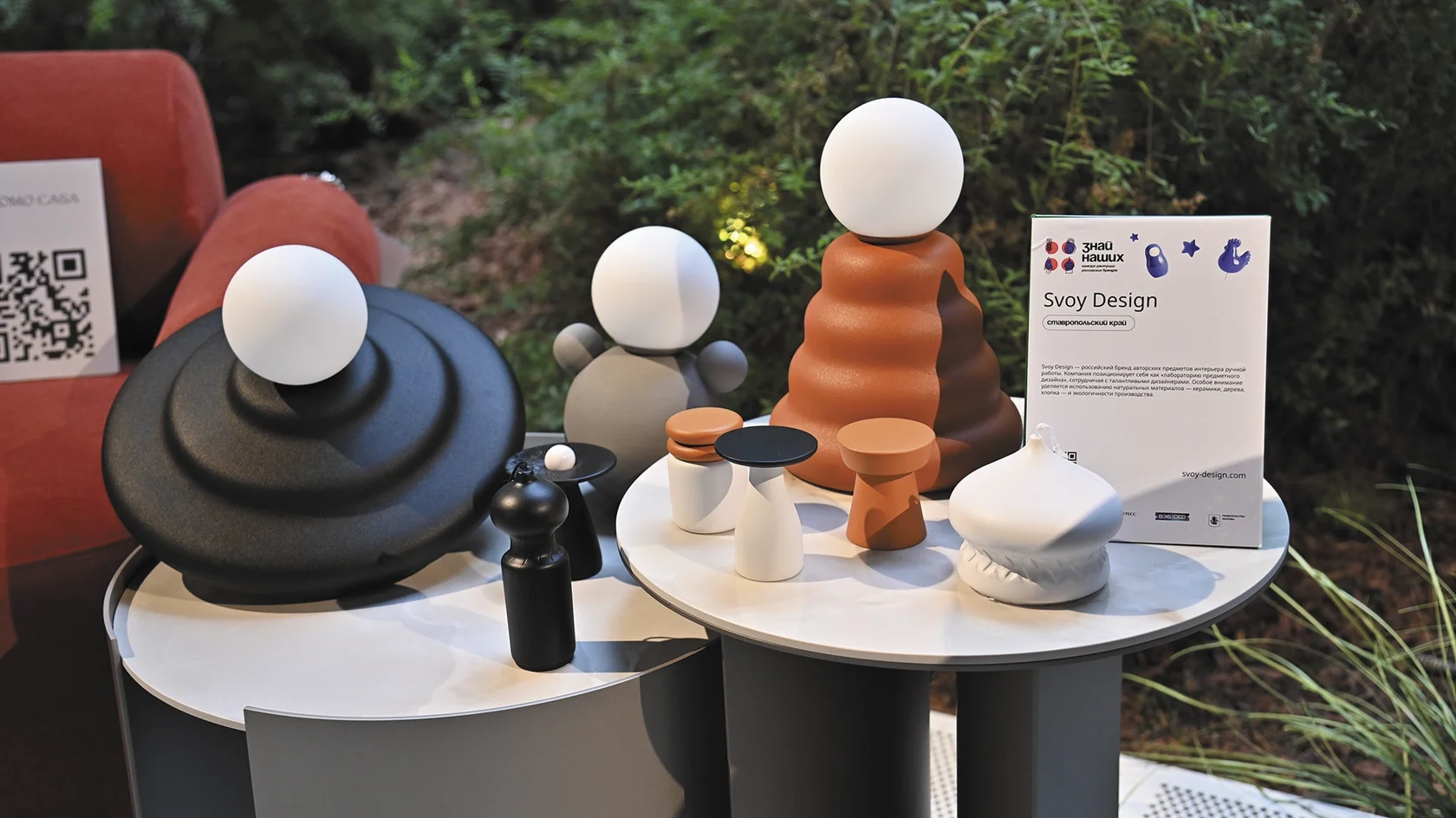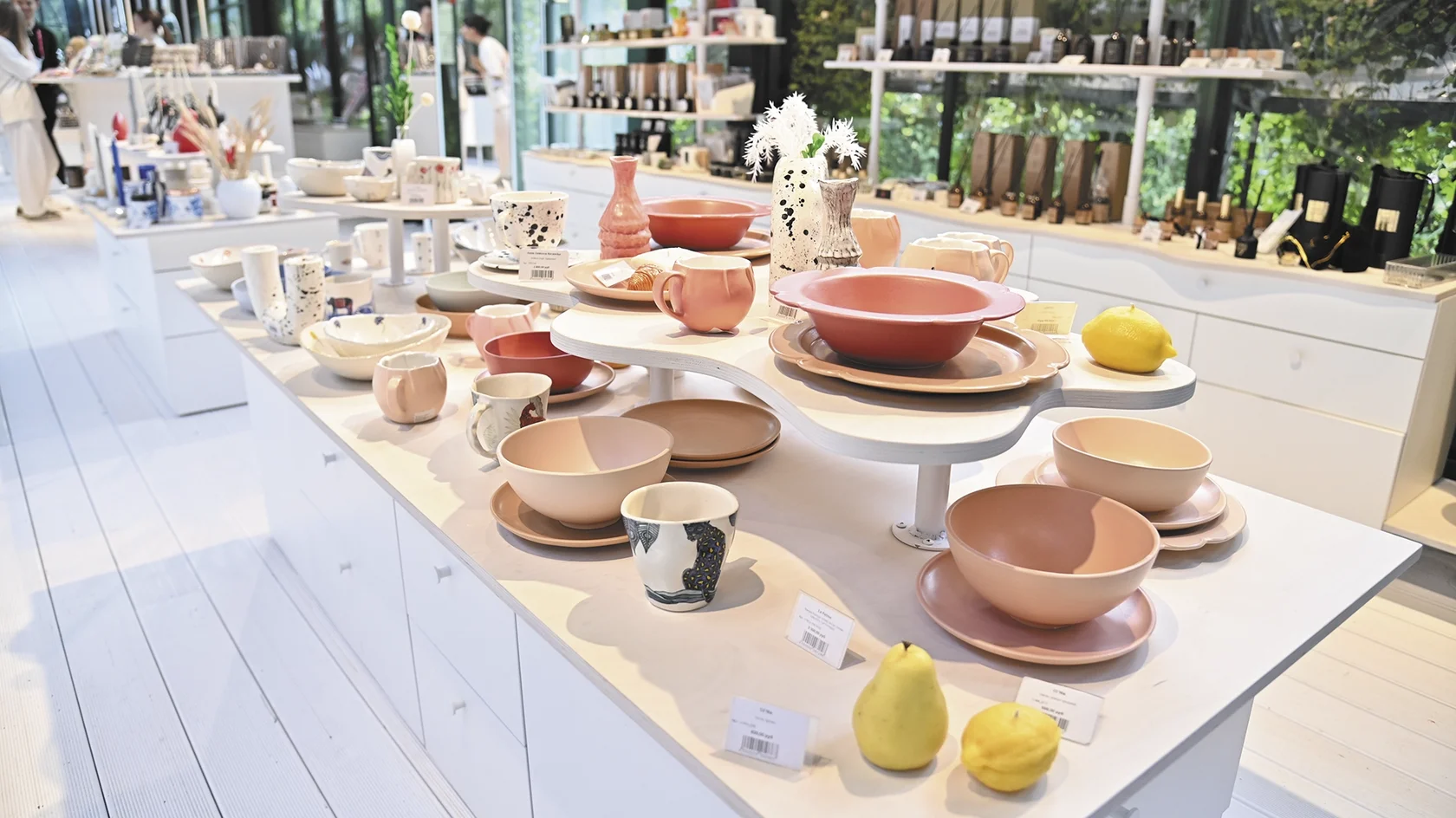
The creative economy is built on ideas, knowledge, and creative skills. They make it possible to create products tied to culture and to the character of a specific place. This sector includes design, fashion, architecture, film, music, publishing, video games, software, advertising, gastronomy, and folk crafts.
The creative economy gives regions the chance to use local history, traditions, and crafts to develop business. New brands, tourism products, and public spaces emerge on this basis. Over time, some of these projects find an audience beyond their own region and country.
The Creative Economy as a Development Track
In Russia, the creative industries are gradually becoming part of regional and economic policy. At the instruction of Russian President Vladimir Putin, the Agency for Strategic Initiatives developed a regional standard for creative-industries development.
The standard helps regions identify promising directions, build infrastructure, and prepare support measures for entrepreneurs. It also offers recommendations on working with personnel, the regulatory framework, and regional strategies.
Regions apply the standard in ways that suit their own circumstances. Some focus on design and fashion, others on film, music, gastronomy, or folk crafts. This approach helps link local culture with entrepreneurship and the territory's economy.
Today, the creative economy accounts for about 4.2% of the country's GDP. Its growth affects the urban environment, education, new technologies, and small business. The next stage for many companies is working with foreign partners.
The standard helps regions identify promising directions, build infrastructure, and prepare support measures for entrepreneurs. It also offers recommendations on working with personnel, the regulatory framework, and regional strategies.
Regions apply the standard in ways that suit their own circumstances. Some focus on design and fashion, others on film, music, gastronomy, or folk crafts. This approach helps link local culture with entrepreneurship and the territory's economy.
Today, the creative economy accounts for about 4.2% of the country's GDP. Its growth affects the urban environment, education, new technologies, and small business. The next stage for many companies is working with foreign partners.
Regional Projects
In preparing their creative-economy development strategies through 2030, regions presented projects based on local cultural and economic features.
Ryazan Region, for instance, is creating the "First Power Station" cluster in the buildings of a former city power plant and bread factory. The site is planned as a shared space for people working across different creative fields.
Irkutsk Region is developing several sites at once. These include the "Union of Elements" International Center for Creative Tourism, the House of Creative Industries in the building of the former Russo-Asiatic Bank, and the "Gaidai Center" film museum.
Stavropol Territory, meanwhile, has launched the "Made in Stavropol" marketplace. It brings together goods and services from local producers across 16 areas of the creative industries.
Saratov Region is supporting the music business. The region is launching the "Music as a Business" accelerator and providing subsidies for concerts by regional performers.
Zabaikalsky Territory, meanwhile, is developing crafts and folk arts. Regional plans include the "Dauria" university campus, a museum complex in Chita, and an "Academy of Casting" in the Kadalinsky industrial park.
Kamchatka Territory links its creative economy to gastronomy and event-based tourism. The region hosts the international "Gastrocamp Kamchatka" project, the "Beringia" sled-dog race, and events dedicated to indigenous culture.
The Republic of Tyva, meanwhile, is using traditional khoomei throat singing as a foundation for new projects. The region plans to create the "Khoomei" production center, along with educational and digital platforms. A separate track involves producing souvenirs, designer collections, and tourism products.
The Republic of Adygea, for its part, is developing brands based on the region's cultural heritage, including Adyghe cheese, tea, salt, and traditional dances.
Ryazan Region, for instance, is creating the "First Power Station" cluster in the buildings of a former city power plant and bread factory. The site is planned as a shared space for people working across different creative fields.
Irkutsk Region is developing several sites at once. These include the "Union of Elements" International Center for Creative Tourism, the House of Creative Industries in the building of the former Russo-Asiatic Bank, and the "Gaidai Center" film museum.
Stavropol Territory, meanwhile, has launched the "Made in Stavropol" marketplace. It brings together goods and services from local producers across 16 areas of the creative industries.
Saratov Region is supporting the music business. The region is launching the "Music as a Business" accelerator and providing subsidies for concerts by regional performers.
Zabaikalsky Territory, meanwhile, is developing crafts and folk arts. Regional plans include the "Dauria" university campus, a museum complex in Chita, and an "Academy of Casting" in the Kadalinsky industrial park.
Kamchatka Territory links its creative economy to gastronomy and event-based tourism. The region hosts the international "Gastrocamp Kamchatka" project, the "Beringia" sled-dog race, and events dedicated to indigenous culture.
The Republic of Tyva, meanwhile, is using traditional khoomei throat singing as a foundation for new projects. The region plans to create the "Khoomei" production center, along with educational and digital platforms. A separate track involves producing souvenirs, designer collections, and tourism products.
The Republic of Adygea, for its part, is developing brands based on the region's cultural heritage, including Adyghe cheese, tea, salt, and traditional dances.
Partnerships and New Markets
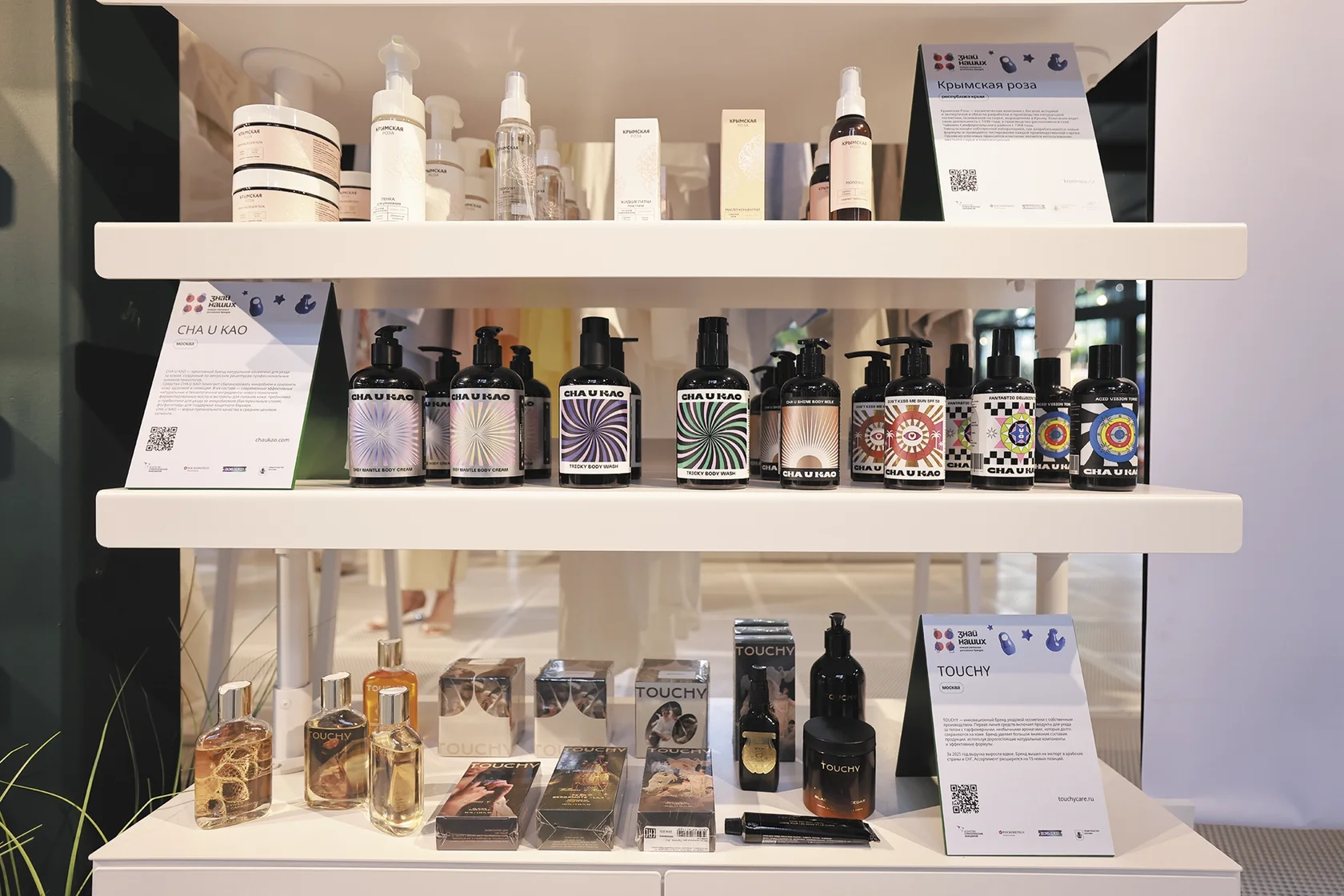
Regional projects create a foundation for further company growth. Some brands are entering foreign markets, where demand often depends on understanding local culture and consumer habits. According to ASI, the Russian fashion industry is in high demand in the countries of the Middle East and North Africa. Buyers there are drawn to national companies as well as regional brands from Tatarstan and the Chechen Republic. Shared cultural codes help them create products that resonate with audiences in Muslim countries.
In the creative industries, ASI cooperates with countries of the CIS, MENA, BRICS, and the SCO. The agency signs agreements, supports joint projects, and helps Russian companies promote their products abroad.
Projects from various creative sectors are entering international markets. The "Mechtalyot" animation studio from Khabarovsk Territory works with partners in South Korea, Japan, and China, taking these countries' cultural characteristics into account when creating content.
Foreign film festivals are showing interest in cinema from Yakutia. Films from Yakutia have found a particularly strong response in South Korea.
In 2026, Russia and Serbia laid the groundwork for a joint roadmap on developing the creative industries. The partners are discussing joint film and other content production. Another initiative concerns creating a creative-industries center that could bring together producers, directors, technology companies, and educational institutions from both countries.
Russia and Indonesia, meanwhile, are developing cooperation in animation, video games, and digital art. Industry associations plan to hold consultations, exchange experience, and launch educational programs. Companies from both countries are also considering joint production of animation, film, and digital content.
To discuss such projects, Russia holds Creative Economy Days. Representatives of government bodies, business, educational institutions, and the expert community take part, discussing investment, workforce training, intellectual-property protection, and international cooperation.
Regional projects give creative companies a foundation for growth. International partnerships help them find new audiences and launch joint products. In this way, the development of the creative economy in the regions is gradually supporting the expansion of Russian brands and projects into foreign markets.
In the creative industries, ASI cooperates with countries of the CIS, MENA, BRICS, and the SCO. The agency signs agreements, supports joint projects, and helps Russian companies promote their products abroad.
Projects from various creative sectors are entering international markets. The "Mechtalyot" animation studio from Khabarovsk Territory works with partners in South Korea, Japan, and China, taking these countries' cultural characteristics into account when creating content.
Foreign film festivals are showing interest in cinema from Yakutia. Films from Yakutia have found a particularly strong response in South Korea.
In 2026, Russia and Serbia laid the groundwork for a joint roadmap on developing the creative industries. The partners are discussing joint film and other content production. Another initiative concerns creating a creative-industries center that could bring together producers, directors, technology companies, and educational institutions from both countries.
Russia and Indonesia, meanwhile, are developing cooperation in animation, video games, and digital art. Industry associations plan to hold consultations, exchange experience, and launch educational programs. Companies from both countries are also considering joint production of animation, film, and digital content.
To discuss such projects, Russia holds Creative Economy Days. Representatives of government bodies, business, educational institutions, and the expert community take part, discussing investment, workforce training, intellectual-property protection, and international cooperation.
Regional projects give creative companies a foundation for growth. International partnerships help them find new audiences and launch joint products. In this way, the development of the creative economy in the regions is gradually supporting the expansion of Russian brands and projects into foreign markets.